Smartphone Camera Buying Guide 2026: How to Choose the Best Phone for Photography and Video

Point-and-shoot cameras gather dust in drawers these days. Smartphones snap sharper photos and roll smoother videos than ever. You pull out your phone for quick shots of kids playing or epic hikes, and it delivers pro-level results right away.
In 2026, top camera phones pack computational tricks that boost light in dim rooms, handle wild color shifts, and support video formats pros love. This guide breaks it down. You’ll learn key specs to check, from sensor tricks to video tools. By the end, you pick the right phone for your shots without wasting cash.
Decoding the Sensor Specs: Beyond Megapixels
Phone cameras hide smarts behind simple numbers. Megapixels grab headlines, but they don’t tell the full story. Let’s dig into what really counts for crisp images.
The Megapixel Myth vs. Sensor Size Reality
Big megapixel counts sound great, but sensor size matters more. A larger sensor, like the 1-inch types now common in flagships, grabs way more light. That means less blur in low light and richer colors.
Pixel binning changes the game too. It combines pixels, say four into one, for brighter shots without losing detail. In 2026, look for 9-in-1 binning on main sensors. It shines for night photos. Best smartphone sensor size 2026? Aim for at least 1/1.3-inch on the main lens. Pixel binning explained: it supercharges weak light, turning grainy pics into clear ones fast.
Forget chasing 200MP if the sensor stays tiny. Brands like Samsung and Google push bigger plates now. Your photos pop with natural tones, not just extra pixels.
Aperture, Stabilization, and Lens Variety
Aperture controls light entry, like your eye’s pupil. Variable apertures, f/1.4 to f/4, adapt to scenes. Wide open for dark spots; narrow for bright days to sharpen focus.
Stabilization keeps shots steady. OIS uses hardware to shift the sensor, perfect for stills. EIS relies on software for video, but it can crop the frame a bit. In 2026, sensor-shift OIS rules flagships. It fights shakes better than old EIS alone.
Lens setups vary. Ultra-wide covers big scenes, like mountain views. Telephoto zooms in on far subjects without quality loss, thanks to periscope designs. Macro lenses snap tiny details, like flower petals up close.
Pick OIS for handheld video if you walk and shoot. It cuts jitters more than EIS. For stills, any stabilization works, but OIS gives cleaner edges.
Understanding Focal Lengths and Field of View (FOV)
Focal lengths mimic old camera tricks on phones. A 24mm equivalent main lens fits everyday shots, like family dinners. Ultra-wide at 13mm stretches landscapes wide.
Telephoto hits 70mm to 125mm for portraits or wildlife. FOV shapes what you see. Narrow FOV zooms tight; wide FOV grabs more world.
In portrait mode, 70mm flatters faces with natural blur. For landscapes, 13mm ultra-wide avoids distortion at edges. Test FOV in stores. It changes how your photos feel.
Computational Photography: The True Engine of Quality
Software turns raw data into magic. Phones now think like pros, fixing flaws on the fly. This powers your best shots.
AI Integration in Image Processing Pipelines
AI runs deep in 2026 phones. Neural units crunch data fast for stacking shots to kill noise. They spot edges and colors in real time.
Semantic tricks label parts of a photo. Sky gets blue boost; skin stays smooth. AI smartphone photography leads the pack in Google Pixel and iPhone lines.
It spots faces or pets instantly. No more blurry motion in group pics. Your album fills with smart, ready-to-share images.
Mastering Dynamic Range: HDR Evolution
HDR fights harsh light. Old versions overcooked skies to plastic. Now, multi-frame tech blends exposures smooth.
Phones capture quick bursts, then merge them. Highlights stay bright; shadows reveal details. In 2026, it handles sunsets without washed-out blobs.
Test it on high-contrast scenes, like windows at noon. Computational photography 2026 nails natural looks every time.
Next-Generation Portrait Modes and Depth Mapping
Portraits need fake blur, or bokeh. Depth sensors map layers now. LiDAR on some phones lasers distances for pinpoint accuracy.
Stereo mapping uses dual lenses for cheap depth. Hair strands won’t smear like before. Edge detection catches flyaways perfect.
Shoot a friend against lights. Good bokeh isolates them soft and real. Skip weak modes; they leave halos.
The Video Powerhouse: Specs for Serious Filmmaking
Video eats storage but wows viewers. 2026 phones rival camcorders for solo creators. Focus on tools that fit your style.
Resolution, Frame Rates, and Codec Capabilities
8K tempts with detail, but 4K rules daily use. It saves space and edits easy. Frame rates climb: 4K at 120fps for slow-mo fun.
Codecs like ProRes lock colors for pro edits. Log profiles keep flat footage for grading later. Storage? 8K gulps 600MB per minute; stick to 4K.
Here’s a quick table to choose:
| Scenario | Resolution/Frame Rate | Why Pick It |
|---|---|---|
| Everyday vlogs | 4K/30fps | Smooth, easy upload; battery friendly. |
| Action sports | 4K/60fps | Captures fast moves without blur. |
| Slow-motion highlights | 1080p/240fps | Stretches time for dramatic effect. |
Best phone for mobile video recording 2026? Ones with ProRes win for filmmakers.
Cinematic Autofocus and Subject Tracking
Autofocus locks quick. Phase-detection spots points on the sensor for speed. Hybrid mixes it with laser for low light.
Tracking sticks to you or your dog as you move. No more refocusing mid-clip. Solo shooters love it for interviews.
iPhones lead with smooth pulls; Androids catch up fast.
Audio Capture Quality and Pro Controls
Mics now grab 360-degree sound. Spatial audio adds depth, like in videos. Built-ins cut wind noise smart.
Pro modes let you tweak gain. Plug in external mics via USB-C for clean voiceovers. Smartphone Log video pairs with this for full control.
Test audio in noisy spots. Good capture means less post-fix work.
Performance, Ergonomics, and Ecosystem Factors
Cameras need power to run smooth. Battery and software tie it all. Don’t overlook these for long shoots.
Processing Power and Image Throughput
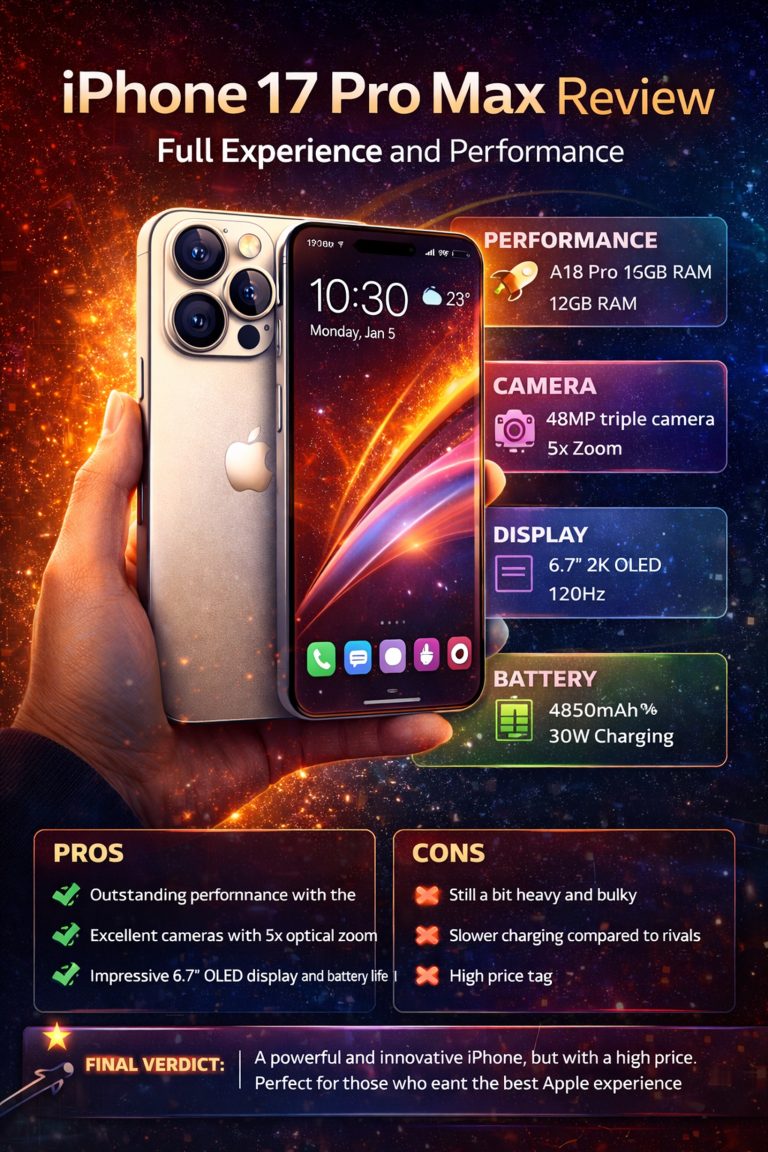
Chipsets drive it all. Snapdragon 8 Gen 4 or A18 Pro handle bursts at 30fps. No lag in zero-shutter snaps.
They sustain 4K/60 without heat throttle. Video records hours without drops. Pick phones with big cooling for outdoors.
Battery Life Under Heavy Photo/Video Load
Camera work drains fast. A 5,000mAh cell lasts two hours of 4K. Thermal tricks keep it cool under sun.
Look for fast charge too. 45W tops up quick between hikes. Models like OnePlus excel here.
Software Support, Ecosystem Integration, and Workflow
Updates keep cameras fresh. Apple promises seven years; Samsung five. New features roll in steady.
Cloud syncs to Lightroom easy. RAW files edit like pros. Say you shoot a wedding burst. Apple’s Photos app sorts and exports fast to Mac. No fuss.
Budget vs. Flagship: Finding Your Photographic Sweet Spot
Flagships cost big, but mid-range shines bright. Match your needs to save.
The Mid-Range Camera Revolution
2025 flag tricks hit $500 phones now. Better ultra-wides and basic AI HDR. You get 50MP mains with OIS.
Sacrifices? Less zoom reach, no 8K. Still, daily photos rock.
Key Considerations for Budget Buyers (Under $700)
Must-haves: Solid main sensor with stabilization. Good low-light AI. Skip 10x zoom or fancy codecs if cash tight.
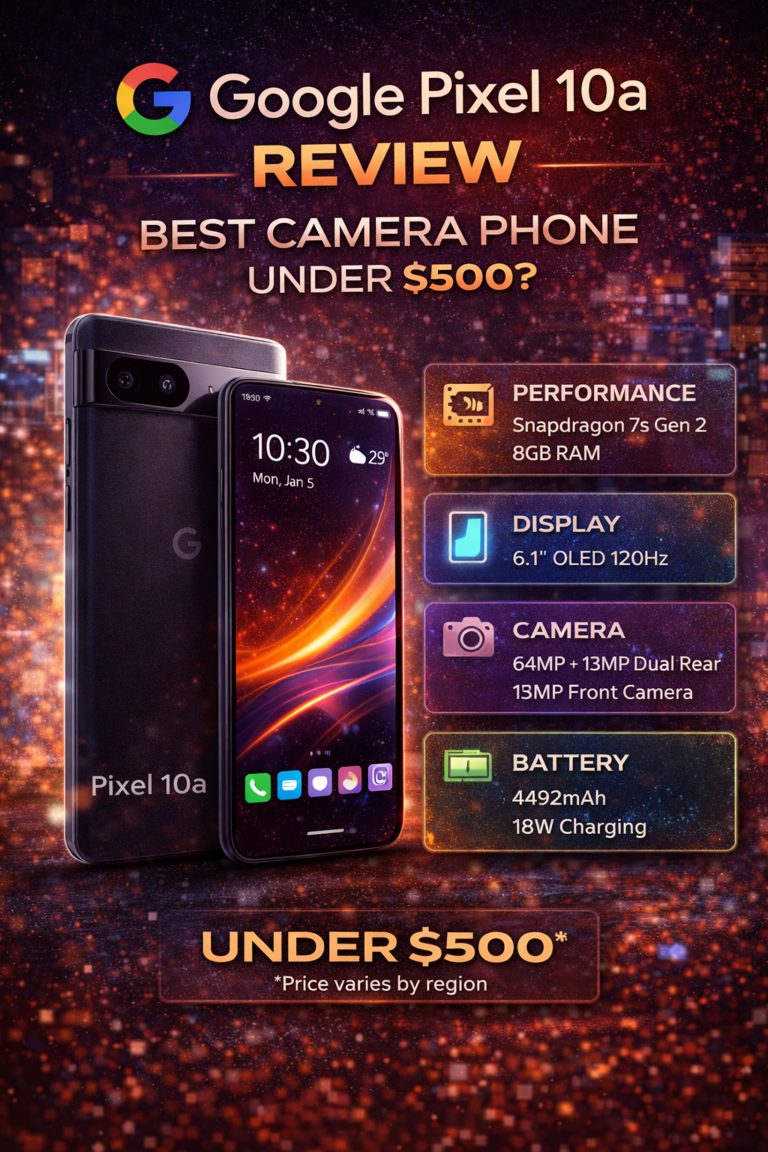
Google Pixel 8a style delivers. Test low-light samples online.
Carrier and Unlocked Purchasing Strategies for 2026
Carriers bundle deals, like $200 off with plans. Unlocked gives freedom to switch. Compare total cost.
Buy unlocked for trades later. In February 2026, sales hit after launches.
Your 2026 Mobile Photography Roadmap
Key factors depend on you. For photos, chase big sensors and AI smarts. Video first? Grab codec support over mega zoom.
Top three: Sensor size for light, stabilization for steady, software for edits.
Hit stores. Feel the grip, peek through the viewfinder. Specs lie; hands-on wins. Your perfect phone waits—grab it and shoot.