The Best Smartphones for AI Productivity in 2026: Smart Features That Boost Daily Performance

Imagine starting your day with a phone that knows your routine better than you do. It suggests tweaks to your schedule before chaos hits. In 2026, AI on smartphones has changed everything. No longer just a fun add-on, it powers your work and life right from your pocket. Cloud-based tools feel old now. Edge AI handles tasks on the device itself, fast and private. If your current phone lags on simple AI tricks, it’s time to upgrade. The top picks shine through their smart AI features, not fancy cameras or screens.
Section 1: The Hardware Foundation: Neural Processing Units (NPUs) and On-Device AI
Smartphones in 2026 pack hardware built for AI. These chips run heavy tasks without slowing down. You get quick results, even offline.
Benchmarking the Next Generation of Mobile NPUs
Flagship chips like the latest Snapdragon or Apple Silicon lead the pack. They hit over 100 TOPS for AI work. That’s trillions of operations each second. General cores handle apps, but NPUs focus on AI jobs. This split means smoother performance. Your phone processes images or voice commands in a flash. No waiting for server responses.
RAM and Storage Architectures Supporting Large Language Models (LLMs)
More RAM, up to 16GB or higher, lets phones run big LLMs locally. UFS 5.0 storage reads data super quick. This cuts lag when you ask for a summary or code help. Think instant email drafts or translations. On-device models keep things private too. No need to send info online.
Power Efficiency for Sustained AI Workloads
Batteries last longer thanks to smart power use. New chips manage heat during long AI runs, like constant note-taking from talks. You won’t see quick drain from background tasks. Check reviews for AI-specific battery tests. Look for ones that hold up over hours of use. This keeps your day going without plugs.
Section 2: Contextual Awareness and Proactive Task Management
AI now senses your world and acts ahead. It turns reactive alerts into smart helpers. Your phone fits right into your flow.
Hyper-Accurate Ambient Context Recognition
Sensors like better LiDAR and mics pick up your surroundings. Is it a quiet office or noisy street? The phone adjusts. It mutes alerts during key meetings, based on voice tones, not just your calendar. This saves you from distractions. Picture walking into a room; notifications hush automatically.
Predictive Scheduling and Workflow Automation
AI scans your emails and chats to spot issues early. It reschedules low-value meetings if traffic looks bad. Drafts quick replies to keep things moving. No more manual juggling. Apps link up to automate your week. You focus on big stuff.
Semantic Search and Knowledge Graph Integration
Forget typing exact words. Semantic search understands what you mean. It pulls from photos, notes, and files. Platforms build personal graphs of your data. Ask “What was that recipe from last trip?” It shows the pic and steps. This speeds up finding info.
Section 3: AI-Enhanced Communication and Content Creation
Talks and writing get a boost from built-in AI. It handles the grunt work so you shine. Creativity flows easier.
Real-Time, Multi-Lingual Translation and Transcription
During calls, AI translates speech on the spot. Low lag means natural chats in any language. Test it in crowds for clear audio. Transcribes meetings too, with speaker tags. Business trips feel simple. You connect without barriers.
Generative AI Integration for Document Drafting and Editing
Native apps create reports or slides from notes. No extra fees for basics. Edit with AI suggestions that match your style. For sensitive work, on-device processing keeps data safe. Write a proposal; it fills gaps instantly. Pros handle code too, debugging on the fly.
Intelligent Media Curation and Summarization
AI cuts through info piles. It boils down articles to key points or flashcards from videos. After a webinar, get study notes tailored to you. Saves hours weekly. For research, it highlights trends across sources.
Section 4: Security, Privacy, and Personalization in the AI Era
AI smarts come with strong guards. Your data stays yours. Personal touches make it feel custom.
Federated Learning and Privacy-Preserving AI
Phones learn from you without sharing raw details. Federated learning tweaks models locally. It improves tips over time, privately. Global updates help everyone, but your habits stay hidden. Balance means better service without risks.
Biometric Authentication Beyond Fingerprints and Faces
AI watches your walk or keystrokes for constant checks. No lockouts mid-task. It spots stress levels too, adjusting alerts. Payments zip through securely. This cuts steps in daily buys.
Custom AI Agents vs. Standardized Assistants
Standard assistants answer basics. Custom agents learn your ways for complex jobs. Train one to book travel with your prefs. They handle chains of tasks alone. Market splits by need—general or specialized. Pick what fits your routine.
Section 5: The Top Contenders for AI Productivity in 2026 (Hypothetical Analysis)
Several phones stand out for AI work. We look at ecosystems and budgets. Each brings unique strengths.
Flagship Ecosystem A Analysis: Deep Hardware-Software Synergy
Apple’s lineup ties hardware and iOS tight. Their NPU crunches AI fast across apps. Features like auto-edits in Photos or smart Siri predict needs. Cross-device sync boosts work. If you use their watch or pad, it’s a smooth net. Privacy shines here too.
Flagship Ecosystem B Analysis: Openness and Third-Party AI Integration
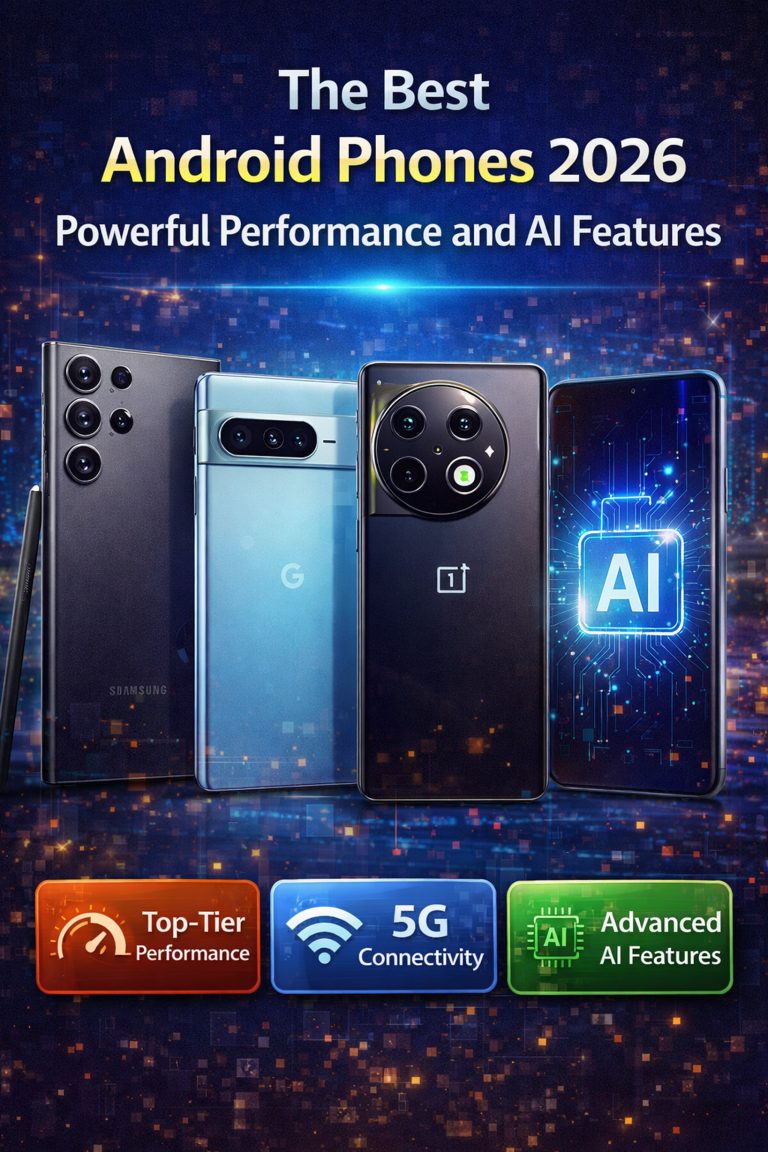
Android flagships, like Samsung’s, open doors for devs. APIs let apps tap NPU power. Niche tools for coders or artists thrive. One app summarizes calls with custom voices. Flexibility means you build your setup. Check AI productivity tools for app ideas.
Mid-Range Contenders: Democratizing AI Power
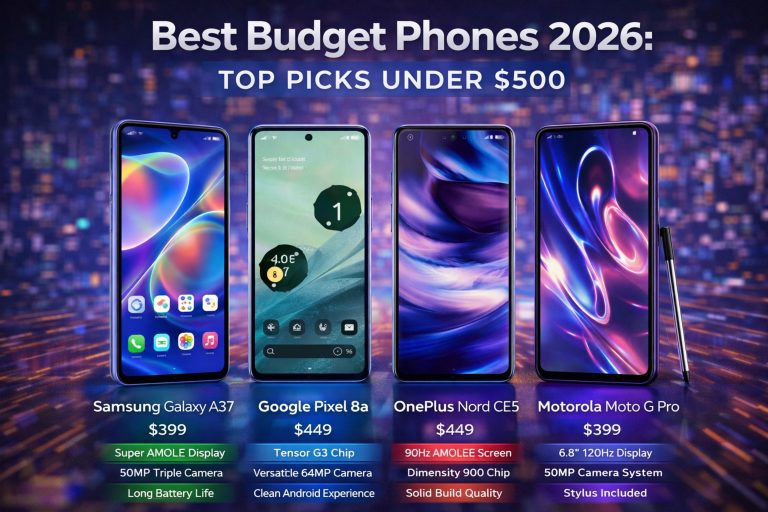
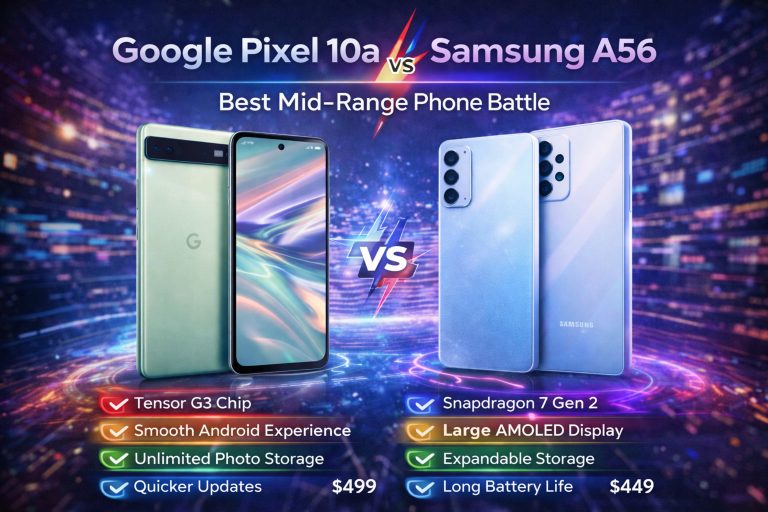
NPUs now hit mid-tier phones under $600. Brands like Google Pixel or OnePlus offer solid AI without top prices. Basic translation and summaries work great. For buyers on budget, aim for 50 TOPS minimum. That handles daily tasks well. Test in stores for feel.
Conclusion: Future-Proofing Your Mobile Workflow
AI drives three big changes in phones by 2026. First, hyper-personalization tailors everything to you. Second, on-device processing rules for speed and safety. Third, automation frees time for what matters. Pick a device with strong AI chops. It ensures your setup lasts. Upgrade now to stay ahead in work and play. Your next phone isn’t just a tool—it’s your smart partner.