Smartphone Buying Guide 2026: Selecting Your Perfect Device by Budget and Needs
Smartphone tech changes so fast it’s hard to keep up. One day you’re happy with your current phone; the next, new models flood the market with features you never knew you needed. In 2026, choices feel overwhelming, from AI that predicts your next move to cameras that capture pro-level shots. This guide cuts through the noise. It helps you pick the best phone for your budget and daily habits. We’ll cover key trends like smarter AI assistants, better camera sensors, and phones built with eco-friendly materials in mind.
Section 1: Defining Your Smartphone Persona and Budget Tiers
Think about how you use your phone every day. That shapes everything from the features you need to how much you should spend. Let’s break it down step by step.
Identifying Your Primary Use Case: Power User vs. Casual Surfer
First, figure out your phone type. Are you a mobile gamer who dives into long sessions? Or a creator editing videos on the go? Maybe you’re a professional who relies on quick emails and calls. Social media fans snap endless pics and scroll feeds. Basic users just handle texts and light browsing.
Each group needs different hardware. Gamers want strong processors to avoid lags. Creators need solid cameras and storage for files. Pros value battery that lasts all day. Social folks crave sharp screens for viewing posts. Basic users get by with simple specs.
Here’s a quick checklist to find your fit:
- Do you game more than two hours a day? Go for high-end cooling.
- Edit photos or videos often? Look for at least 128GB storage.
- Mostly chat and browse? Mid-range speed works fine.
- Travel a lot? Pick durable builds with good water resistance.
This self-check points you to the right phone without wasting cash on extras.
The 2026 Budget Breakdown: Analyzing Price Segments
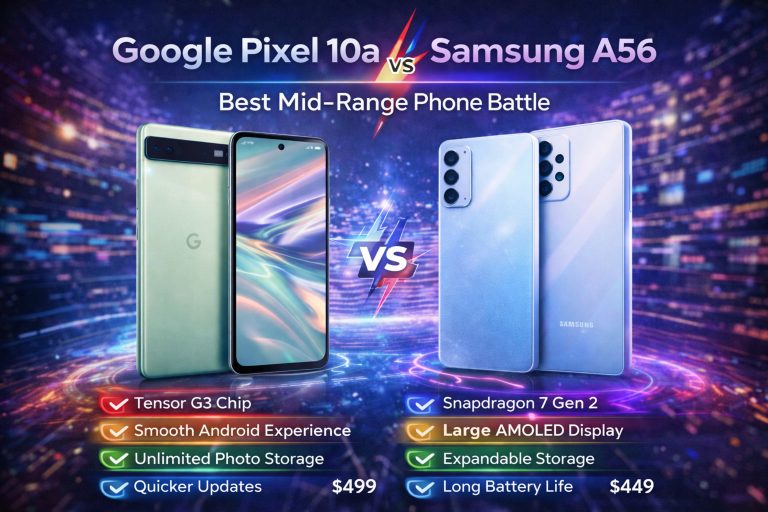
Budgets vary, so let’s map out 2026 price levels. Entry-level phones cost under $300. They handle basics like calls and apps without frills. Mid-range ones run $300 to $699. Expect solid cameras and decent speed here. Premium picks top $700. They pack top tech like advanced AI and foldable screens.
In each tier, features match the price. Entry phones might skip fast charging but still offer 5G. Mid-range adds 120Hz screens and good batteries. Premium brings pro cameras and years of updates. Recent reports show mid-range grabbing 45% of sales. That’s because they balance cost and power well. Entry-level holds 25%, while premium sits at 30%.
Pick based on what you need, not hype. A $400 phone can outshine a cheap one for most folks.
Total Cost of Ownership (TCO): Beyond the Sticker Price
The upfront price isn’t all. Think about extras that add up. Cases run $20 to $50. Chargers might cost $30 if not included. Extended warranties add $100 or so for peace of mind.
Repairs hurt too. A screen fix on a premium phone could hit $300. Budget models often cost less to fix but break easier. Premium devices last longer, often three to five years. Entry ones might fade after two.
Plan for these costs. Ask: Does this phone include a charger? What’s the repair policy? Factor in trade-in values. That keeps your total spend in check.
Section 2: Core Hardware Deep Dive: Performance That Matters
Hardware forms the phone’s backbone. It decides if your device feels snappy or sluggish. We’ll look at the parts that drive real-world use in 2026.
Processor Power: Chipsets Driving the 2026 Experience
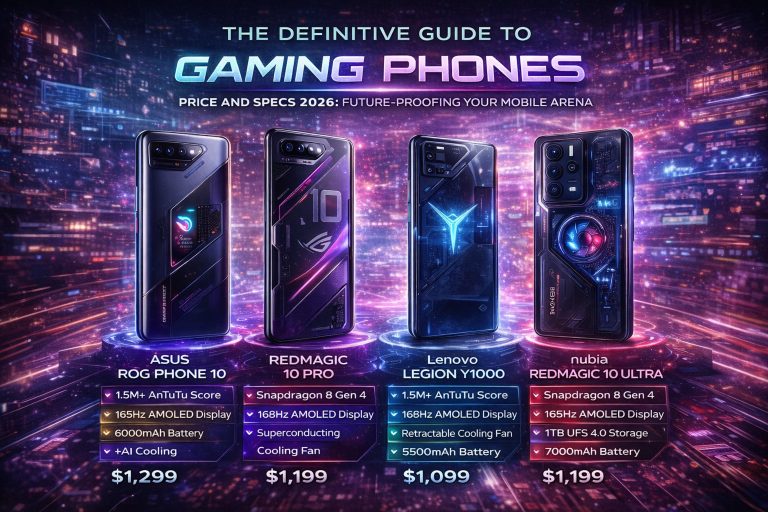
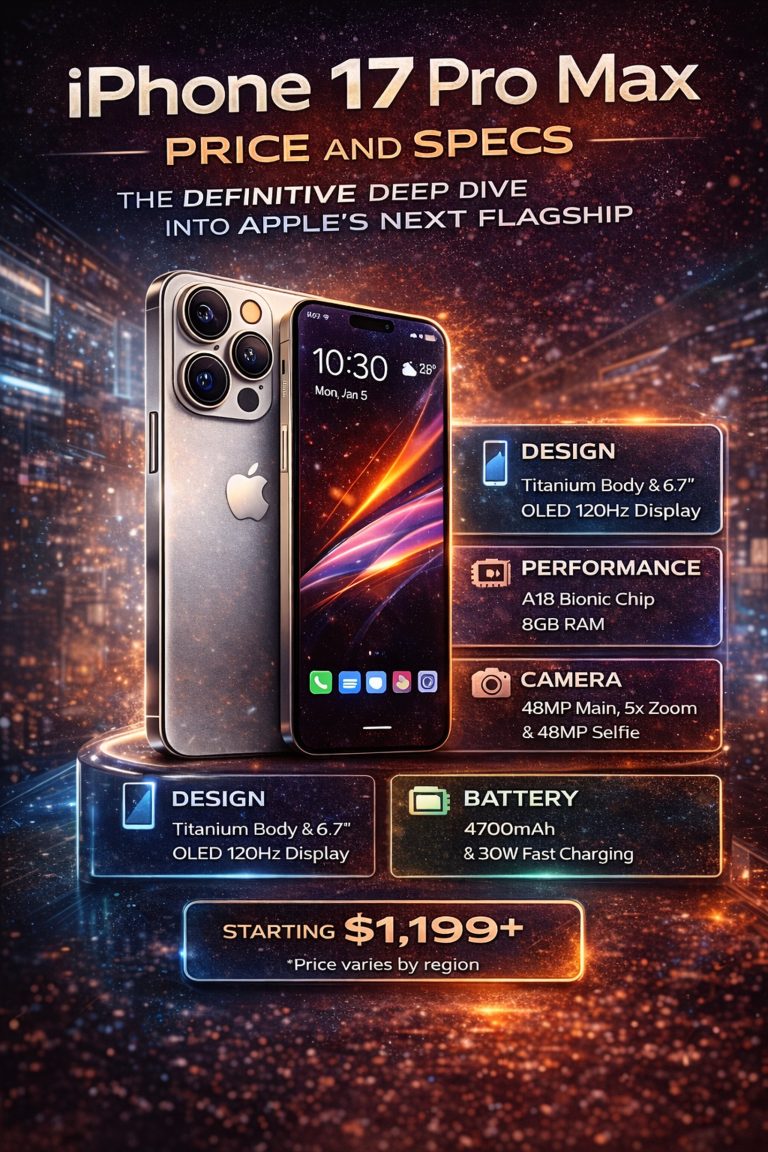
Processors, or SoCs, power everything from apps to games. In 2026, expect next-gen chips like Snapdragon 8 Gen 4 or Apple’s A19. They mix raw speed with energy savings. Raw power crunches big tasks fast. Efficiency keeps the battery going longer.
Benchmarks show these chips 20% faster than 2025 models. They handle AI tasks like photo edits without draining power. For gamers, that means smooth 60fps play. Casual users notice quicker app loads.
Choose based on needs. Mid-range chips like Dimensity 8300 suffice for most. Flagships shine for heavy work.
RAM and Storage Decisions for Longevity
RAM keeps apps running smooth. Aim for 8GB if you’re casual. That’s enough for browsing and light multitask. Power users need 12GB or more. It handles gaming and editing without hiccups.
Storage holds your files. Base 128GB works for basics. Go 256GB for photos and videos. 2026 phones use UFS 4.0, which reads data twice as fast as older types. That speeds up everything from boot to saves.
Don’t skimp here. Running out of space means constant deletes. Cloud backups help, but local storage feels better.
Battery Life and Charging Standards: Avoiding the Midday Panic
Battery size matters, but software tweaks count more. A 4500mAh pack with smart OS can outlast a 5000mAh sloppy one. Look for all-day use, say 8-10 hours of screen time.
Charging speeds up in 2026. Mid-range phones hit 65W wired. Premiums push 100W, full charge in 20 minutes. Wireless options reach 50W on flagships. But universal standards like USB PD work across brands.
Test real use. Does it hold through your day? Fast charge saves time, but slow ones build heat. Balance both for daily wins.
Section 3: The Visual Experience: Displays, Cameras, and Interaction
Your eyes spend most time on the screen and shots. These features make phones fun or frustrating. Let’s see what 2026 offers.
Display Technology: Refresh Rates, Brightness, and Panel Type
OLED screens rule premium and mid phones now. They deliver deep blacks and bright colors. Entry-level sticks to LCD, but it’s catching up.
High refresh rates, like 120Hz, make scrolls buttery. Gamers love it for fluid motion. Brightness hits 2000 nits on top models. That beats glare outdoors.
Match to your habits. Scrollers need smooth rates. Photographers want accurate colors. A good display turns phone time into joy.
Camera Systems in 2026: Megapixels vs. Computational Photography
Forget megapixel counts. It’s about smart processing now. AI fixes shaky shots and boosts low light. Premium phones pack 200MP sensors with optical zoom up to 10x.
Mid-range gets 50MP mains with digital tricks. Entry-level handles daylight fine but struggles at night. Computational photo shines in real life. Think a sunset pic where AI pulls details from shadows, like on today’s Pixels but better.
For creators, zoom and video matter. Casual shots? Software wins over hardware every time.
Form Factors and Durability: Foldables, Slabs, and IP Ratings
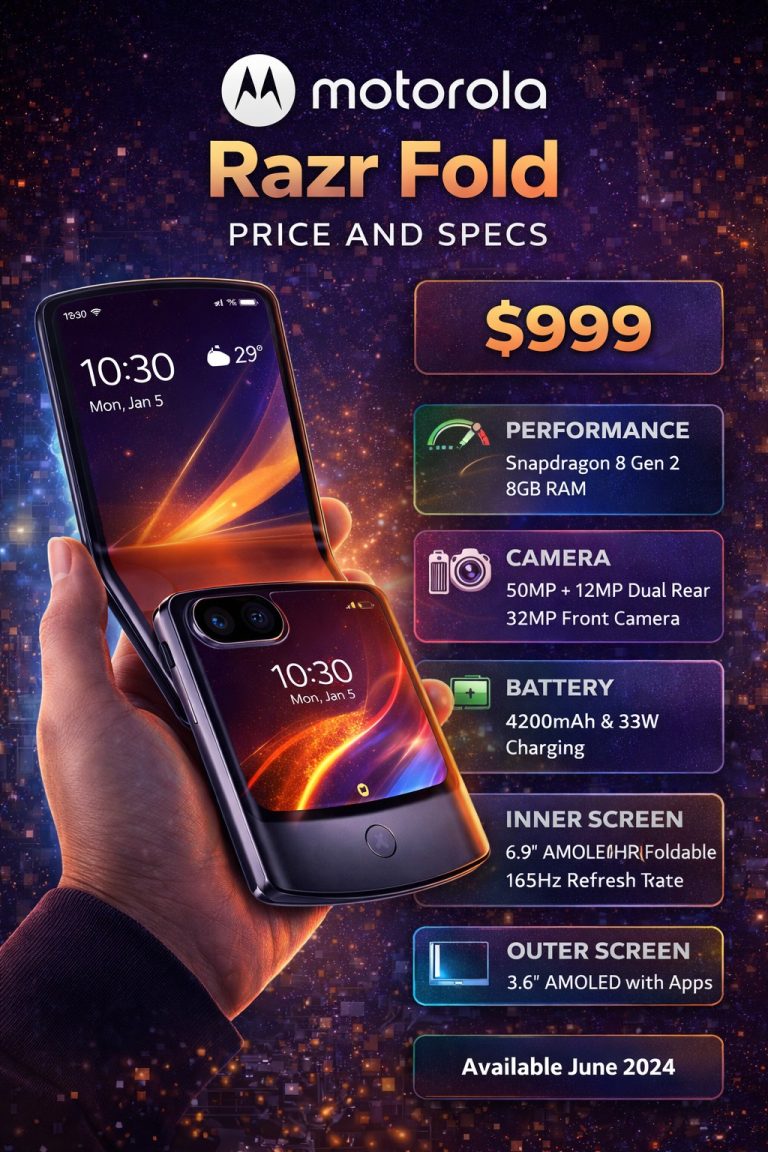
Slab phones stay popular for their slim feel. Foldables mature in 2026, folding into tablets. But they cost extra and might crease.
Durability counts. IP68 ratings mean dust and water proofing. Most mid phones have it; entry skips to IP54.
Pick what fits your life. Foldables suit multitaskers. Slabs work for pockets. Tough builds last through drops.
Section 4: Software, Ecosystems, and Future-Proofing
Software keeps your phone fresh. It ties hardware to your world. In 2026, updates matter more than ever.
Operating System Wars: Android Customization vs. iOS Integration
Android lets you tweak themes and apps freely. It pairs with many devices, from watches to cars. iOS feels tight and safe, linking seamless to Macs and iPads.
Security patches roll monthly on both. Android offers more choices; iOS nails ease. Which suits you? Tinkers pick Android. Apple fans stay in the ecosystem.
Both evolve with AI voices and gestures. Test in stores to feel the flow.
Software Support Lifespan: The Hidden Investment
Long updates mean your phone stays secure. Top brands promise five to seven years now. That’s huge for budget buys.
Samsung and Google lead with seven years. Apple hits six. Short support? Your phone ages fast with bugs.
Check this before buy. It turns a two-year phone into a four-year keeper. Save money long-term.
Connectivity and Networking: Preparing for 6G Readiness
5G covers most areas in 2026. But early 6G tests start in cities. New modems handle both for future speed.
mmWave 5G blasts data fast but short range. Sub-6G goes farther. Ensure your phone has the latest for streaming and downloads.
Wi-Fi 7 adds home speed. Good connectivity keeps you online without worry.
Section 5: Key Considerations for Niche Buyers
Some folks have special needs. These tips tailor picks for them.
The Gaming Niche: Cooling, Triggers, and Display Latency
Gamers need cool temps. Vapor chambers stop overheating in long plays. Shoulder triggers add control like controllers.
High touch rates, 240Hz, cut lag. Pair with 120Hz screens for quick response. Phones like ROG series nail this.
Budget gamers? Mid-range with good chips works. Avoid cheap ones that throttle heat.
The Creator Niche: Video Capabilities and Professional App Support
Creators want steady video. Gimbal tech in premiums smooths walks. 10-bit color gives rich edits.
Apps like Lightroom run best on fast RAM. 4K at 60fps is standard now. Check app compatibility.
Start mid-range for basics. Upgrade for pro tools.
Sustainability and Repairability Scores
Eco phones use recycled parts. Brands like Fairphone offer swappable batteries. That cuts waste.
Right to Repair grows. Look for scores on iFixit. Easy fixes mean less trash.
Green choices feel good and save cash over time.
Conclusion: Finalizing Your Smart Purchase Decision
Picking a 2026 smartphone boils down to trade-offs. You might skip fancy cameras for better battery in mid-range. Or pay premium for foldables if you multitask. Balance budget with needs for a phone that fits.
Use this final checklist:
- Match specs to your use case.
- Check update years and charger inclusion.
- Read real reviews for battery truth.
- Test in person for feel.
This guide arms you for the 2026 market. Make a choice you’ll love. Your perfect phone waits—go find it.