How to Choose a Smartphone With the Best Display in 2026: Brightness, Refresh Rate, and Eye Comfort
Your smartphone screen pulls you in every day. It lights up movies, maps, and messages. In 2026, that display shapes how you see the world through your pocket device. Think about it: from quick glances at notifications to binge-watching shows, the screen handles it all. Without a great one, everything feels dull or strained.
Display tech has jumped forward fast. By now, micro-LED starts showing up in top phones, and LTPO panels hit version 4.0 for smarter power use. These changes make screens brighter, smoother, and kinder to your eyes. This guide helps you pick the right smartphone display in 2026. We’ll cover brightness for clear views anywhere, refresh rates for fluid motion, and eye comfort to cut down on strain. You deserve a screen that works with you, not against you.
Peak Brightness and Visibility Under Any Condition
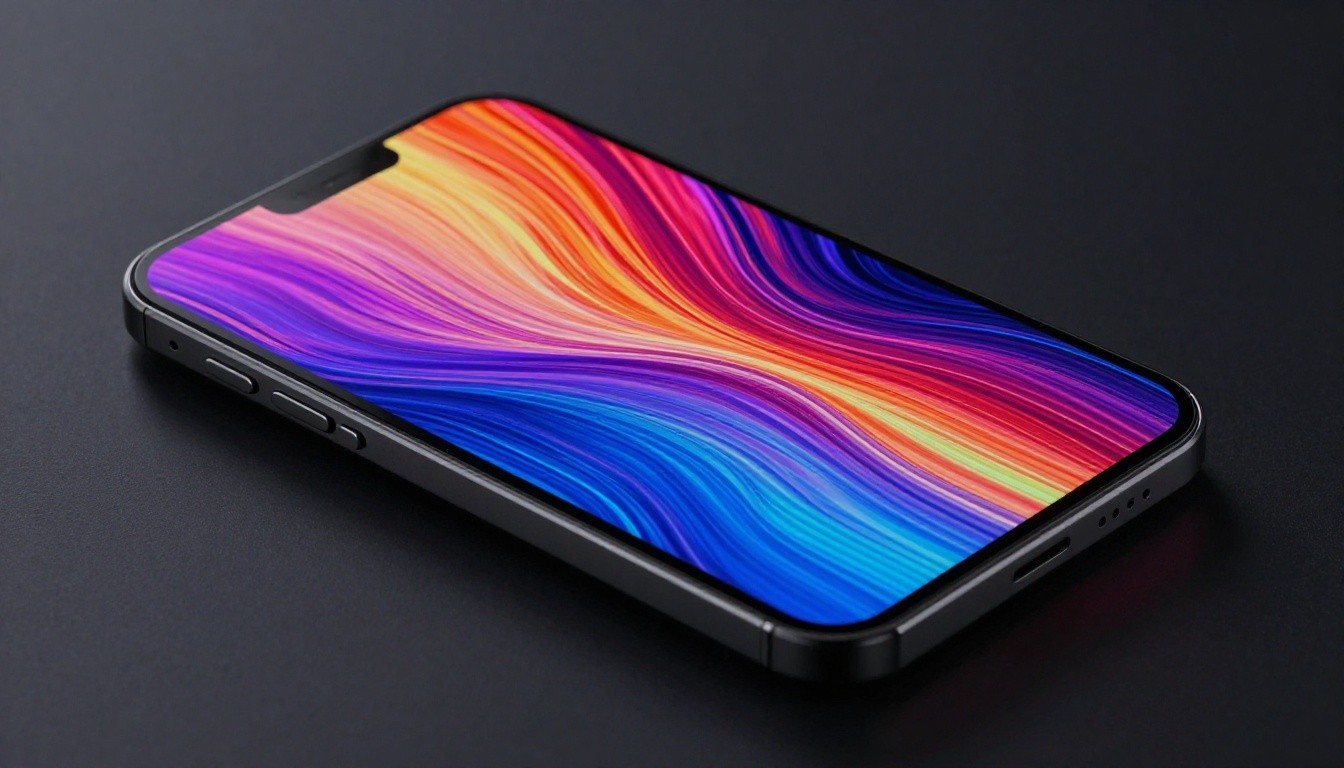
Bright sunlight can wash out your phone screen. That’s why peak brightness matters so much when choosing a smartphone with the best display in 2026. Measured in nits, higher numbers mean better visibility in tough spots like beaches or car dashboards. Aim for at least 2000 nits to handle direct sun without squinting.
Understanding Peak vs. Sustained Brightness (HBM)
Peak brightness sounds impressive, but it often flashes just for HDR highlights in videos. Sustained brightness, or High Brightness Mode (HBM), keeps things clear during long outdoor sessions. For smartphone screen outdoor visibility, look for HBM around 1500 nits or more. This ensures your maps stay readable on hikes or your texts pop during lunch breaks.
Tests from sites like DXOMARK show top phones hold steady brightness without overheating. Don’t just chase the max number—check real-user reviews for how it performs in daily life. If you’re outdoors a lot, this difference could make your day easier.
The Role of LTPO Technology in Efficiency
LTPO tech, or Low-Temperature Polycrystalline Oxide, shines in 2026 flagships. It tweaks the refresh rate on the fly to save battery while keeping brightness high. No more dim screens when you need them most.
This setup lets panels hit peak levels without draining power fast. For example, Samsung’s latest LTPO 4.0 in their Galaxy line adjusts from 1Hz to 120Hz seamlessly. When shopping, ask if the peak brightness rating covers small areas or full-screen use. That tip alone helps you spot true performers for outdoor visibility.
Display Materials: OLED vs. Emerging Micro-LED
OLED panels rule now with deep blacks and rich colors. But by 2026, Micro-LED takes over in premium phones like upcoming iPhones or Pixels. These new displays pack higher inherent brightness—up to 3000 nits—without the burn-in risks of older OLEDs.
Micro-LED uses tiny LEDs for each pixel, making colors pop brighter and more uniform. OLED still wins on cost, but Micro-LED edges it out for longevity. If you’re eyeing long-term use, go for Micro-LED to avoid yellowing over time.
Decoding Refresh Rates and Motion Clarity
Smooth scrolling feels magical on a good phone. Refresh rate decides that flow, but it’s more than just a number like 120Hz. In 2026, the best smartphone displays adapt to your actions, saving battery while keeping things crisp. Whether you’re swiping through apps or playing games, clarity matters.
Beyond 120Hz: Adaptive Refresh Rate Mastery
Forget fixed 120Hz—adaptive rates rule in 2026. LTPO 4.0 lets screens drop to 1Hz for reading and jump to 144Hz for videos. This variable refresh rate (VRR) smooths motion without wasting power.
Picture this: a fixed 120Hz phone might chew 20% more battery on a static news feed. Adaptive ones, like those in OnePlus or Google Pixels, save up to 15% in mixed use. For your daily mix of work and play, VRR makes the display feel alive and efficient.
- Check for 1-144Hz range in specs.
- Test in stores for buttery scrolls.
- Pair it with your habits—gamers love the high end.
Touch Sampling Rate vs. Refresh Rate
Refresh rate shows what you see; touch sampling rate catches your taps. A 120Hz screen looks smooth, but low touch rate (say 240Hz) lags inputs. For competitive gaming, aim for 360Hz or higher touch sampling.
This duo shines in titles like Genshin Impact, where quick swipes win matches. Phones like the ROG series nail both, feeling responsive. Gamers, don’t overlook this—it’s the difference between frustration and fun.
Pro tip: Read benchmarks for touch response times under 8ms. That ensures your fingers keep up with the action.
Evaluating Motion Blur and Response Time
Fast refresh rates can blur if pixels lag. Response time, in milliseconds, measures how quick pixels change colors. Look for under 1ms to cut ghosting in sports clips or races.
In 2026, top displays from BOE or Samsung hit 0.5ms speeds. This keeps edges sharp during quick pans. If blur bugs you in movies, test videos in bright stores. Solid response time turns your phone into a mini theater.
Color Accuracy, HDR Performance, and Panel Quality
Vibrant colors draw you into photos and streams. Beyond speed, a great 2026 smartphone display nails accuracy for true-to-life views. Content creators and movie fans need this fidelity to avoid washed-out edits or dull shows.
Color Gamut Coverage (DCI-P3 vs. sRGB)
sRGB covers basics, but DCI-P3 hits 100% for HDR movies and pro photos. Most flagships now reach 120% DCI-P3, making skies bluer and skins warmer. This wide gamut boosts immersion without over-saturation.
Reviewers like DisplayMate praise phones hitting Delta E under 1 for spot-on accuracy. If you edit videos, full coverage saves time on tweaks. Everyday users notice richer Netflix sessions too.
True HDR Experience: Bit Depth and Peak Luminance
10-bit color depth means 1 billion shades, smoothing sunsets without bands. Emerging 12-bit pushes to 68 billion for pros. Pair it with 2000+ nits peak luminance for HDR pops—like fireworks bursting off the screen.
Dolby Vision on iOS or HDR10+ on Android needs this combo. Without it, highlights flatten. Test with HDR trailers; the best displays make dark scenes deep and brights dazzling.
- Seek 10-bit minimum for gradients.
- Verify HDR certs in product pages.
- Avoid 8-bit panels for future-proofing.
Panel Uniformity and Quality Control
Even great specs flop with uneven panels. Color shifts at angles or pink tints ruin the vibe. Top makers like Apple use strict QC for uniform views from any tilt.
In 2026, Micro-LED fixes old OLED woes like this. Check user forums for “mura” complaints—faint clouding. A quality panel feels consistent, like a premium TV in your hand.
Prioritizing Eye Comfort and Longevity
Staring at screens tires eyes fast. In 2026, the best displays fight strain with smart tech. You spend hours on them, so comfort and durability top the list for a lasting pick.
DC Dimming vs. PWM Dimming Concerns
PWM dimming flickers the backlight, bothering sensitive eyes like a bad strobe. DC dimming adjusts voltage steadily for no flicker. High-frequency PWM (1920Hz+) mimics this if true DC isn’t there.
Phones like recent Xiaomis use DC for comfort. If headaches hit you, skip low-frequency PWM under 480Hz. Test in dim rooms—smooth dims mean less fatigue.
Blue Light Management and Certification Standards
Blue light spikes keep you up at night. 2026 displays cut it hardware-deep, not just apps. TÜV Rheinland certs prove low emission for eye safety.
Brands like Honor integrate filters that block 40% more blue without yellow tints. Get certified models for better sleep. It’s a small spec that pays off big in daily use.
Durability and Screen Protection
Scratches and cracks kill displays quick. Next-gen Gorilla Glass Victus 3 resists drops up to 2 meters. Ceramic shields on some add toughness.
Oleophobic coatings keep fingerprints off too. For active lives, pair strong glass with cases. This extends your display’s life past two years easy.
Conclusion: The Future of Mobile Viewing is Customized
Picking the best smartphone display in 2026 boils down to must-haves like adaptive VRR and high HBM brightness. These ensure smooth, visible views no matter the scene. But remember, your needs shape the choice—gamers chase touch rates, while watchers prioritize color depth.
The top display fits your routine, cutting eye strain with DC dimming and blue light cuts. As AR glasses blend with phones, screens get even smarter. Start hunting specs today; your eyes will thank you. What feature matters most to you? Dive into reviews and grab one that lights up your world right.