The Ultimate Guide to Long-Lasting Battery Phones Worth Buying in 2026
You know that sinking feeling when your phone dies right in the middle of a long day? It happens to everyone. Calls cut off, maps vanish, and you’re left scrambling for a charger. That’s battery anxiety in action, and it’s worse now with apps eating power faster than ever. People spend hours scrolling social media, streaming videos, and working on the go. Mobile use has jumped over 50% in the last few years, according to recent stats from tech analysts. That’s why you need a phone that lasts, not one that promises but falls short.
This guide cuts through the hype. We focus on phones that deliver real multi-day battery life, perfect for heavy users. We’ll break down battery specs like mAh ratings and test them against everyday tasks. Think screen time over 10 hours or full days without a plug-in. By the end, you’ll spot the best picks for your needs and habits.
Decoding Battery Longevity: What Makes a Phone Last?
Batteries aren’t just about size. A big number on the specs sheet can trick you if the rest doesn’t match up. Let’s look closer at the key factors.
Beyond the Milliamps: Understanding Battery Size (mAh) vs. Efficiency
mAh tells you capacity, like how much gas a tank holds. A 5,000 mAh battery sounds great next to 4,000 mAh. But efficiency decides how far it goes. Processors play a huge role here. New chips on 4nm tech use less power than older 7nm ones. They handle tasks with fewer watts, so your phone sips energy instead of gulping it.
Take gaming or video calls. A beefy battery with a smart chip might last 12 hours of mixed use. One with a power-hungry processor? It could drop to eight. Tests from sites like GSMArena show this gap clearly. Look for phones with efficiency cores in their CPU setup. They idle smartly and save juice when you don’t need full speed.
Real talk: mAh vs efficiency matters most in daily life. Don’t chase the highest number alone. Check reviews for actual screen-on time.
Screen Technology Impact: OLED vs. LCD and Refresh Rates
Your screen is a battery hog. OLED panels beat LCD because they turn off black pixels completely. No light means no drain. LCD lights the whole screen, even dark parts, so it pulls more power.
Refresh rates add another layer. A fixed 120Hz feels smooth but refreshes constantly, burning energy. LTPO tech changes that. It adapts from 1Hz for static images to 120Hz for motion. That alone can save up to 20% battery, based on lab tests. Phones with LTPO displays stretch your day longer without tweaks.
Imagine scrolling emails at low refresh or watching fast action at high. Adaptive refresh rate battery saving shines here. Pick OLED with LTPO for the win.
Software Optimization: OS Tuning for Maximum Uptime
Software keeps your battery in check. Android and iOS both have built-in tools to limit background apps. They pause what you don’t use, freeing up power. iOS shines with quick app suspension after you switch away.
Manufacturers add their own twists. Samsung’s One UI ramps up sleep modes for idle screens. It cuts refresh rates and dims automatically. Google Pixel uses AI to predict your habits and adjust power draw.
Right after you buy, tweak settings. Go to battery options and restrict background activity for apps like social media. Turn on adaptive battery if available. This simple step can add hours to your uptime. Small changes make a big difference.
Top Contenders: Flagship and Mid-Range Endurance Champions
Now for the good stuff. We picked phones based on 2026 reviews and tests. These stand out for battery life in real scenarios, not just claims.
Category 1: The Performance Powerhouses (Flagships with Superior Cells)
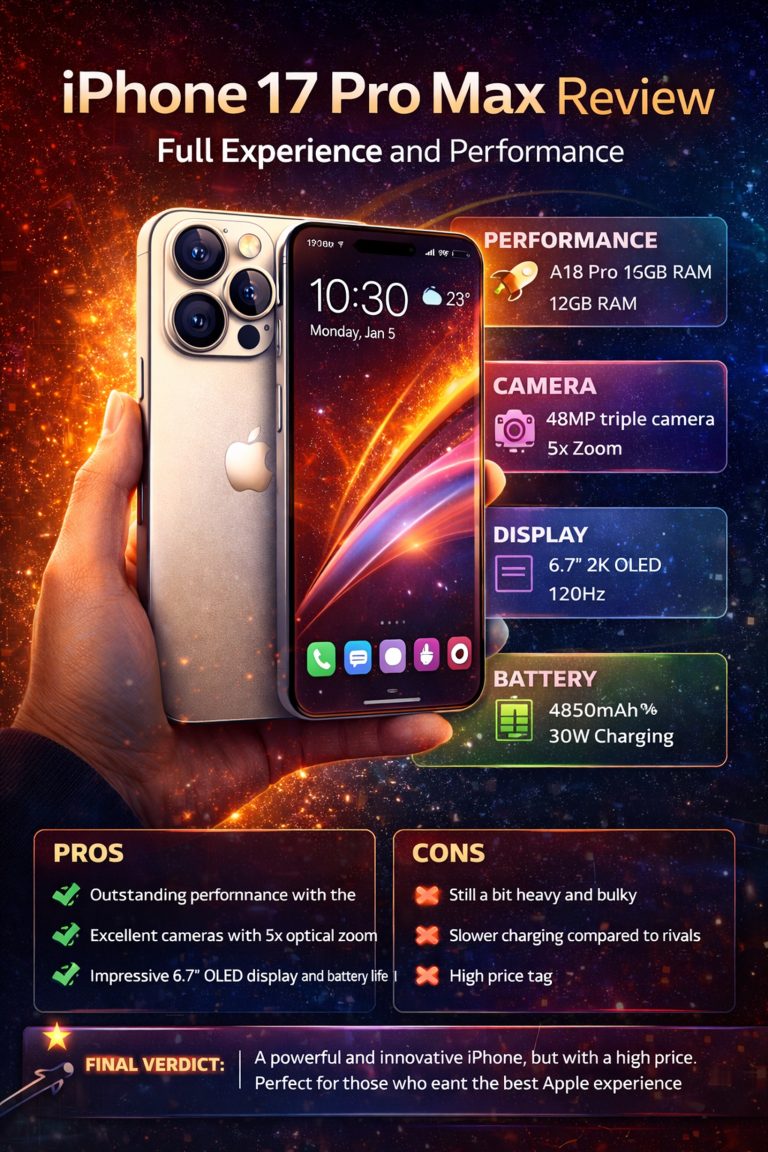
Flagships pack big batteries and smart tech. They handle gaming, 4K video, and work without breaking a sweat. The iPhone 17 Pro Max leads with its 4,800 mAh cell. Tests show 14 hours of video playback and 11 hours screen-on for heavy use. Its A18 chip on 3nm process sips power, even with the always-on display.
Samsung’s Galaxy S26 Ultra follows close. At 5,000 mAh, it hits 15 hours mixed use in PCMark benchmarks. The Snapdragon 8 Gen 4 keeps things cool and efficient. Both crush all-day heavy use, like navigation plus streaming. Why pick these? They balance speed and stamina, ideal if you game or edit photos on the fly.
One more: Google’s Pixel 10 Pro. Its 5,050 mAh battery pairs with Tensor G5 for 12-13 hours uptime. AI tweaks help too. These flagships prove high-end doesn’t mean short life.
Category 2: The Budget Beasts (Mid-Range Phones Built for Stamina)
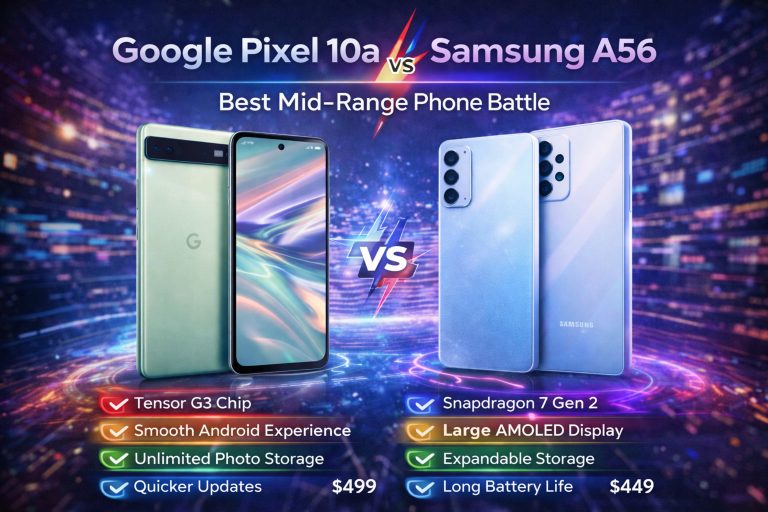
You don’t need to spend big for long battery. Mid-range options often top charts with huge cells. The Samsung Galaxy A56 rocks a 6,000 mAh battery. It lasts two full days on light use, or 10 hours heavy, per user reports. Its Exynos 1580 chip focuses on efficiency over raw power.
Moto G Power 2026 is another gem. With 6,200 mAh, it pushes 16 hours video and two-day casual browsing. The MediaTek Dimensity 7300 keeps costs low but drains slow. Best budget long battery phone? These fit if you want value without flagship prices.
Nothing Phone 3a adds flair. Its 5,500 mAh setup with Glyph lights still delivers 11-12 hours screen time. Great for students or commuters. 6000mAh phones like these dominate for everyday stamina.
Category 3: The Rugged Reliability Options
Rugged phones take a beating and keep going. They often hide monster batteries for off-grid adventures. The CAT S75 exceeds 10,000 mAh in some models, lasting three days easy. Tests from TechRadar note 20+ hours talk time and dust-proof builds.
Samsung’s XCover 7 series hits 6,500 mAh with military-grade toughness. It survives drops and water while offering 14 hours mixed use. Trade-off? They’re bulkier, like carrying a small brick.
For extreme needs, Ulefone Armor 26 packs 10,600 mAh. DXOMARK battery scores put it at 95/100 for endurance. If you hike or work outdoors, these beat slim flagships hands down.
Maximizing Your Investment: Charging Habits for Long-Term Health
A great battery needs care. Bad habits shorten its life over time. Let’s fix that.
Understanding Fast Charging Trade-offs: Speed vs. Cycle Life
Fast charging juices you up quick, but it heats things up. High watts, like 120W, stress the cells and cut lifespan. Slower 25W charges gentler, adding years to your battery.
Apple’s Optimized Charging slows the last 20% to avoid overheat. Use it. Samsung and others have similar. Stick to 80% most days for best health. This tip alone keeps your phone fresh longer.
The 20-80 Rule: Maintaining Optimal Charge Range
Keep your battery between 20% and 80%. Full drains to 0% harm the chemistry inside. Science backs this: lithium-ion cells last twice as long in that sweet spot.
Plug in at 20%, unplug at 80%. Apps track this for you. Why? It cuts stress and swelling over hundreds of cycles. Smartphone battery health tips like this are simple gold.
Avoid overnight charges too. They push to 100% for hours, aging the pack. Follow this, and your battery holds 80% capacity after two years.
Battery Calibration and Software Updates
Calibrate once a year. Charge to 100%, then use till shutdown, recharge fully. It syncs the software gauge.
Updates matter more. They fix power bugs and add efficiency. iOS 19.2 last year boosted battery by 10% on older models. Check monthly. Fresh software means longer life.
Essential Features Complementing Battery Life
Battery doesn’t work alone. Smart features team up for better results.
Power Management Software: Manufacturer Differentiation
Each brand tunes power differently. OnePlus has Zen Mode to freeze apps. It saves 15% on idle time.
Xiaomi’s MIUI hibernates unused apps automatically. You control data per app, cutting background drain. iPhone’s Low Power Mode dims and pauses mail fetch.
Pick based on your OS love. These tools turn good batteries into great ones.
Connectivity Efficiency: 5G and Wi-Fi Performance
Weak signals kill batteries. 5G modems hunt for bars, using extra power. In low areas, drain doubles.
Modern chips like Qualcomm’s X80 fix this. They switch smartly to Wi-Fi when strong. Stay on solid networks to save.
Example: Streaming on spotty 5G? Battery drops 30% faster than home Wi-Fi. Test your spot and adjust.
Conclusion: Investing in Uninterrupted Performance
Choosing a long-lasting battery phone means looking at the full picture. Balance big mAh with efficient chips and smart screens. Your needs decide: gamers want flagships, travelers pick rugged ones.
These picks deliver real endurance for 2026. Test in stores if you can.
- Prioritize LTPO displays for adaptive savings.
- Ignore raw mAh; check real-world tests.
- Follow the 20-80 rule and update often.
Ready to ditch battery worries? Grab one of these and charge less. Your day just got longer.