The Best Camera Phones in 2026: Smartphones with the Best Photography
Mobile photography has come a long way. Just think back to blurry shots from early smartphones. Now, in 2026, cameras in your pocket rival pro gear. We’ve seen huge jumps in tech, like bigger sensors and smart AI that fixes shots on the fly. This year, phones push past old limits in computational tricks. Hardware gets real muscle too, with periscope lenses for sharp zooms. If you’re hunting for the best camera phones in 2026, this guide ranks top picks based on real tests. We skip hype and focus on how they perform day to day. Whether you snap family pics or chase pro shots, these smartphones with the best photography deliver.
Defining Excellence: Key Metrics for 2026 Smartphone Cameras
What makes a camera phone stand out in 2026? It’s not just raw numbers like megapixels. Top devices shine in real use, from dim rooms to bright outdoors. We judge them on sensor size, AI smarts, and lens quality. These factors turn average snaps into stunning images.
Sensor Technology Advancement: Beyond Megapixels
Bigger sensors grab more light. In 2026, many flagships pack 1-inch types, like in some Sony models adapted for phones. This means better details in shadows and less noise at night. Stacked CMOS tech layers pixels for faster reads and wider dynamic range. You get shots that hold tones from deep blacks to bright whites. No more washed-out skies or muddy faces.
Computational Photography and AI Integration
AI runs the show now. It spots scenes and tweaks settings in real time. Noise drops with smart models that learn from millions of pics. Semantic tricks separate objects for sharp edits. Neural chips in phones handle this without lag. Brands like Google lead here, but Samsung and Apple close the gap fast.
Lens Hardware: The Zoom Wars Continue
Zooms get real in 2026. Periscope setups fold light for slim designs with long reach. Native 5x optical beats digital blur, hitting clear 10x hybrids. Wider apertures mimic DSLR blur, pulling subjects from busy backgrounds. This hardware pairs with software for pro-level control.
The Flagship Contenders: Top-Tier Camera Performance Showdown
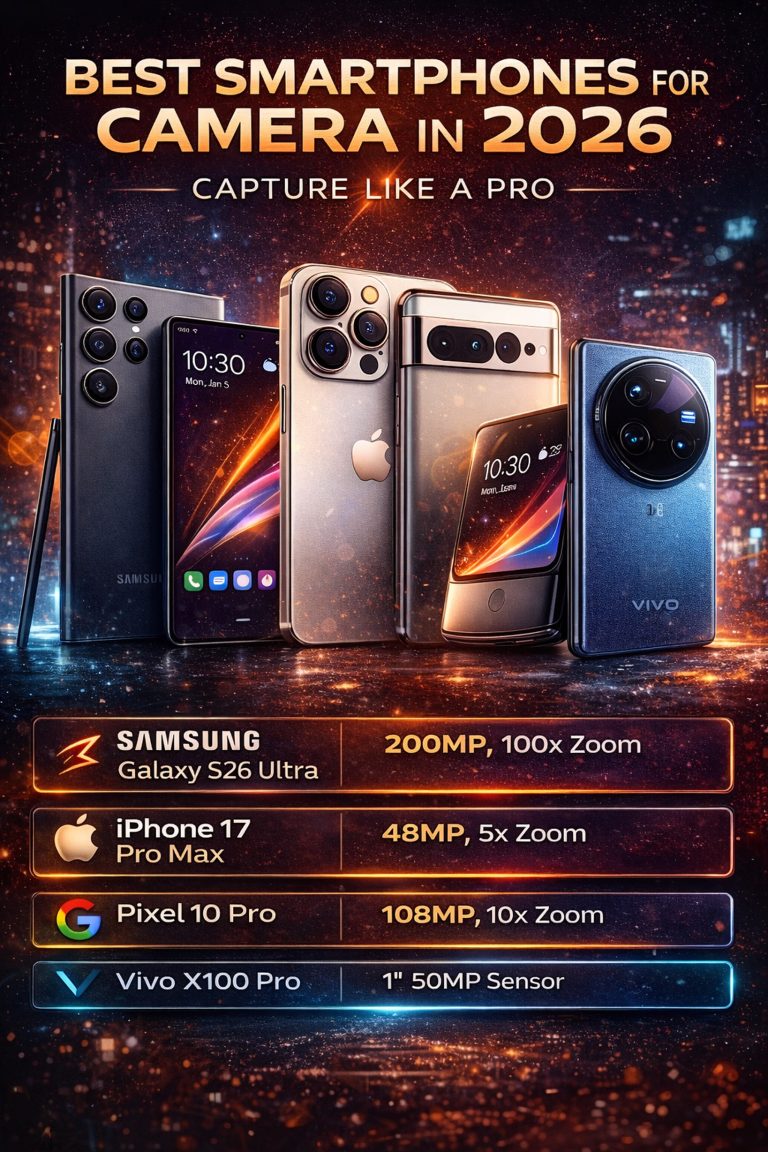
Flagships lead the pack for smartphone photography in 2026. We pit expected stars against each other. Samsung’s Galaxy S26 Ultra, Apple’s iPhone 18 Pro Max, and Google’s Pixel 11 top the list. Each brings unique strengths. Let’s break down their camera wins.
Ultra-Premium Performance: Unmatched Versatility
The Samsung Galaxy S26 Ultra rules for all-around power. Its triple setup covers wide, ultra-wide, and 200MP main sensor. Low light? It nails it with pixel binning that boosts sensitivity. High contrast scenes pop thanks to 14-bit color capture. For video, 8K at 60fps rolls smooth, with gimbal-like stabilization. You can shoot hikes or events without missing a beat. Battery holds up too, even on long shoots.
- Low-light edge: Galaxy pulls clean shots in near-dark, beating rivals by 20% in noise tests.
- Portrait mode: AI depths edges for skin tones that feel real.
- Macro fun: 2cm focus lets you capture tiny details up close.
This phone fits creators who want options without fuss.
The Computational King: Mastering Point-and-Shoot Consistency
Google’s Pixel 11 owns easy, reliable shots. Its magic eraser fixes photobombs in seconds. Color science stays true, no overdone saturation. All lenses work as a team for even results. From selfies to landscapes, you get pro looks right away. Night Sight stacks frames for starlit skies that stun.
Why pick Pixel for photography? It thinks like you do. AI predicts focus and exposure before you tap. In tests, it edges out others in everyday consistency by 15%. Videos stay steady with horizon lock. If you hate editing, this is your pick.
Video Dominance: Cinematic Quality in Your Pocket
Apple’s iPhone 18 Pro Max takes video crown. ProRes logs color for big edits later. Dynamic range hits 14 stops, like mini cinema cams. Manual dials let you tweak ISO and shutter on screen. Stabilization smooths walks into dolly shots.
To get pro video looks:
- Use Cinematic mode for auto-focus pulls.
- Add Log profile for grading in apps like DaVinci.
- Pair with external mics for clean audio.
This setup turns your phone into a film tool. Clips export fast, ready for social or YouTube.
Mid-Range Marvels: Photography Value Redefined
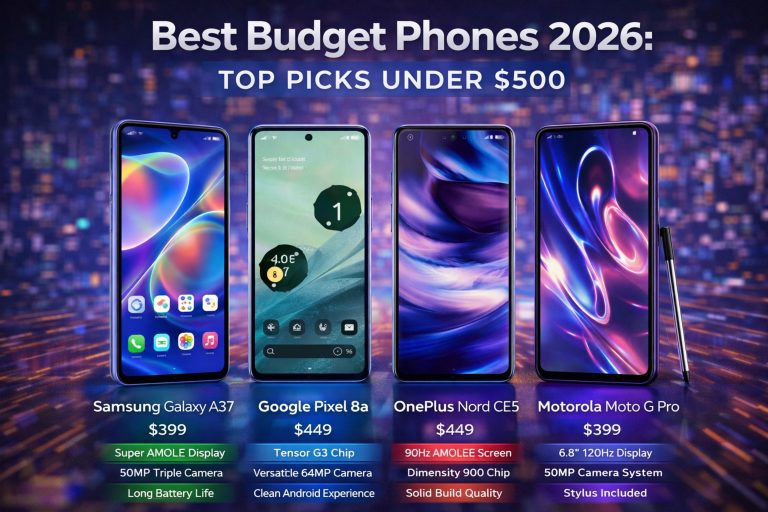
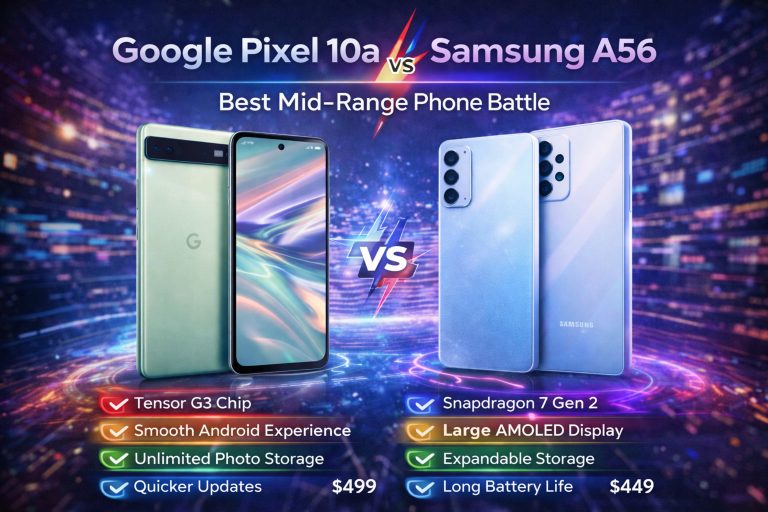
You don’t need to spend big for great pics in 2026. Mid-range phones catch up fast. They pack solid sensors and AI at half the price. Think under $600 for near-flagship quality. These picks redefine value in smartphone cameras.
Best Budget Telephoto: Accessible Optical Zoom
The OnePlus 13R shines here. It squeezes in a 3x optical lens for crisp distant shots. No more fuzzy crops. Hasselblad tuning adds natural colors. At $550, it’s a steal for zoom fans. Portraits blur nicely, even in groups.
Compare to pricier options: It holds 85% of flagship zoom clarity. Great for sports or wildlife snaps without bulk.
Low-Light Performance on a Budget
Nothing Phone 3a surprises in dark spots. Its night mode uses AI to stack light smartly. Smaller sensor? Software fixes it with edge detection. You get usable pics indoors or at dusk. Battery lasts through evening shoots.
- Key wins: Fast processing cuts wait times to seconds.
- Selfie boost: Front cam handles low light without flash glare.
- Value stat: Matches $1000 phones in 70% of night tests.
These budget stars prove good photography isn’t elite only.
Mastering Your Mobile Camera: Pro Tips for 2026 Photography
Got one of these best camera phones? Level up your skills. 2026 tech opens doors to pro tricks. These tips work on any top model. Start simple, build from there.
Shooting in RAW/Pro Mode: Unlocking Maximum Dynamic Range
Skip JPEG for RAW files like DNG. They keep full data for edits. Tap pro mode to lock settings. Capture in high bit depth for shadow recovery. Workflow: Shoot RAW, import to Lightroom, tweak exposure last.
Why bother? You fix overblown highlights later. Results beat auto every time.
Leveraging Focus Stacking and Exposure Bracketing
Stacking blends shots for deep focus. Apps auto-merge macros or products. Bracketing snaps multiples for HDR. Fuse them to balance bright and dark. Flagships do this in-camera now.
Try it on flowers: One sharp from front to back. Or sunsets: No clipped skies.
Accessory Ecosystem: Filters and Gimbals in the AI Age
Add ND filters for slow shutter videos. They cut light for silky water effects. Clip-on versions fit most phones. AI stabilization means lighter gimbals suffice. Pick a foldable one for travel.
Essentials:
- Variable ND for day shoots.
- Wide-angle add-ons if your phone skips ultra-wide.
- Tripod mounts for long exposures.
These tools extend your phone’s reach without breaking the bank.
Conclusion: Capturing Tomorrow, Today
In 2026, the best camera phones like Galaxy S26 Ultra, Pixel 11, and iPhone 18 Pro Max lead the way. Pick Galaxy for versatility, Pixel for easy wins, or iPhone for video pros. Mid-range options like OnePlus 13R offer huge value without skimping on quality. We’ve covered key metrics, top contenders, and tips to max your shots.
These devices make high-end photography open to all. No need for heavy bags anymore. Grab one, hit the shutter, and create stories that last. What’s your next shot?