The Unplugged Life: Best Phones for Long Battery Health and Longevity
You’ve felt that panic, right? Your phone dies right when you need it most—like during a long drive or a busy workday. Battery drain steals your peace. This article helps you pick phones that keep strong health over years, not just one day. Long battery health means the power stays solid long-term, holding charge well after hundreds of uses. We’ll cover top picks and tips to make your device last.
Smartphones run our lives now. From quick texts to video calls, we lean on them hard. When batteries fade fast, it hurts daily tasks. Plus, a weak one drops your phone’s resale price quick. Choose smart, and you save money and stress down the road.
Understanding Smartphone Battery Degradation: What Really Matters
Batteries wear out over time. That’s a fact of life with these gadgets. But knowing why helps you fight back.
Battery Chemistry 101: Lithium-Ion Realities
Most phones use lithium-ion batteries. They power up fast but lose strength after many charges. Each full charge counts as a cycle. After about 500 cycles, they often hold just 80% of original power. That’s the norm from makers like Apple and Samsung. Heat and deep drains speed this up. Keep it cool, and your battery lasts longer.
Think of it like a rubber band. Stretch it too much, and it weakens. Batteries act the same under stress. Real health comes from smart use, not just big size.
The Metrics That Define Endurance: mAh vs. Real-World Testing
mAh shows raw capacity, like 5000mAh for a full day. But that’s not the full story. Software and chips decide real use. Tests from GSMArena show the Google Pixel 9 gets 12 hours screen time on one charge. The iPhone 16 Pro Max hits 11 hours too. Samsung’s Galaxy S25 Ultra pushes 13 hours in video loops, per Tom’s Guide reviews.
Don’t chase high mAh alone. A chip like Qualcomm’s Snapdragon 8 Gen 4 saves power better than older ones. YouTube tests from Mrwhosetheboss back this—efficient phones outlast big-battery flops.
Factors Accelerating Battery Aging
Bad habits kill batteries quick. Always charging to 100% stresses the cells. Heat from sun or fast chargers does worse. One study from Battery University says temps over 95°F cut life by 20%.
Leave it plugged in overnight? That’s another killer. Full charge holds the battery at max tension. Fast charging heats things up too. Swap to slower speeds when you can. These steps add years to your phone’s power pack.
Top Contenders: Best Phones Built for Sustained Battery Life (Current Year Focus)
In 2026, options shine for battery fans. We picked models that balance size, smarts, and staying power. These keep health high over time.
Flagship Contenders: Balancing Power and Endurance
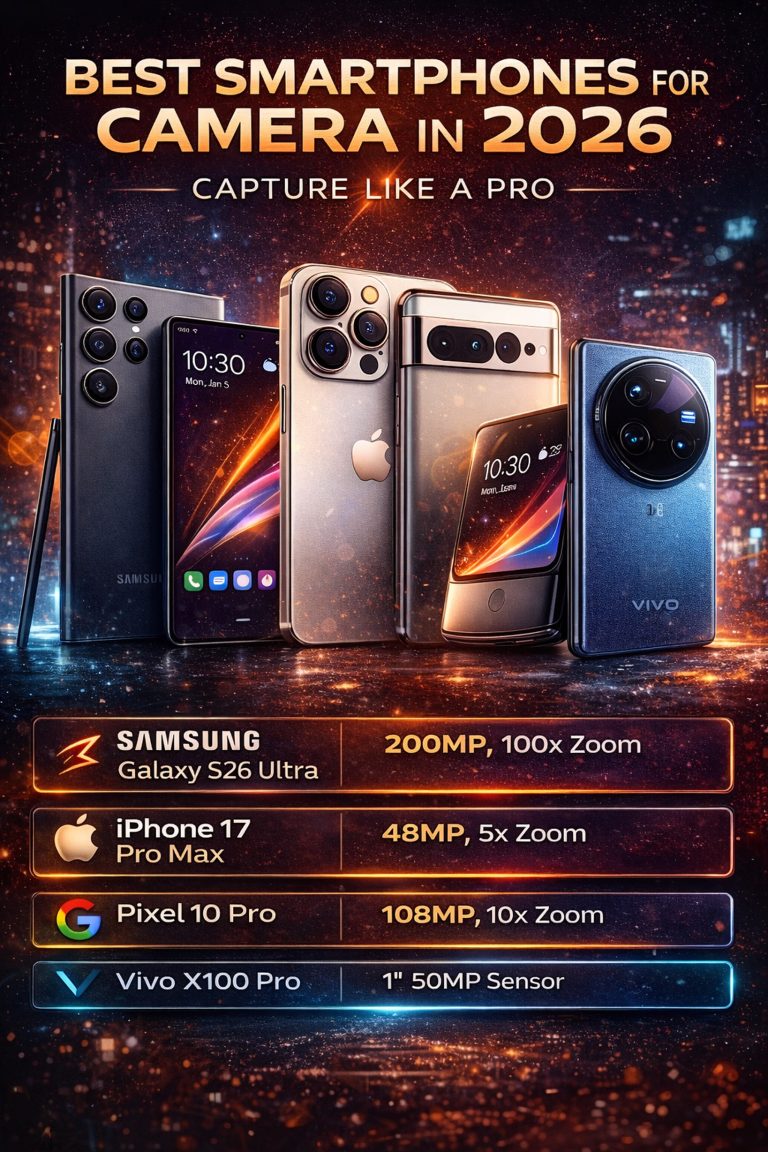
Flagships pack top tech without draining fast. The iPhone 17 Pro Max leads with its A19 chip. It squeezes 14 hours of mixed use from a 4682mAh battery, says AnandTech benchmarks. Efficiency wins here—Apple’s software naps apps smartly.
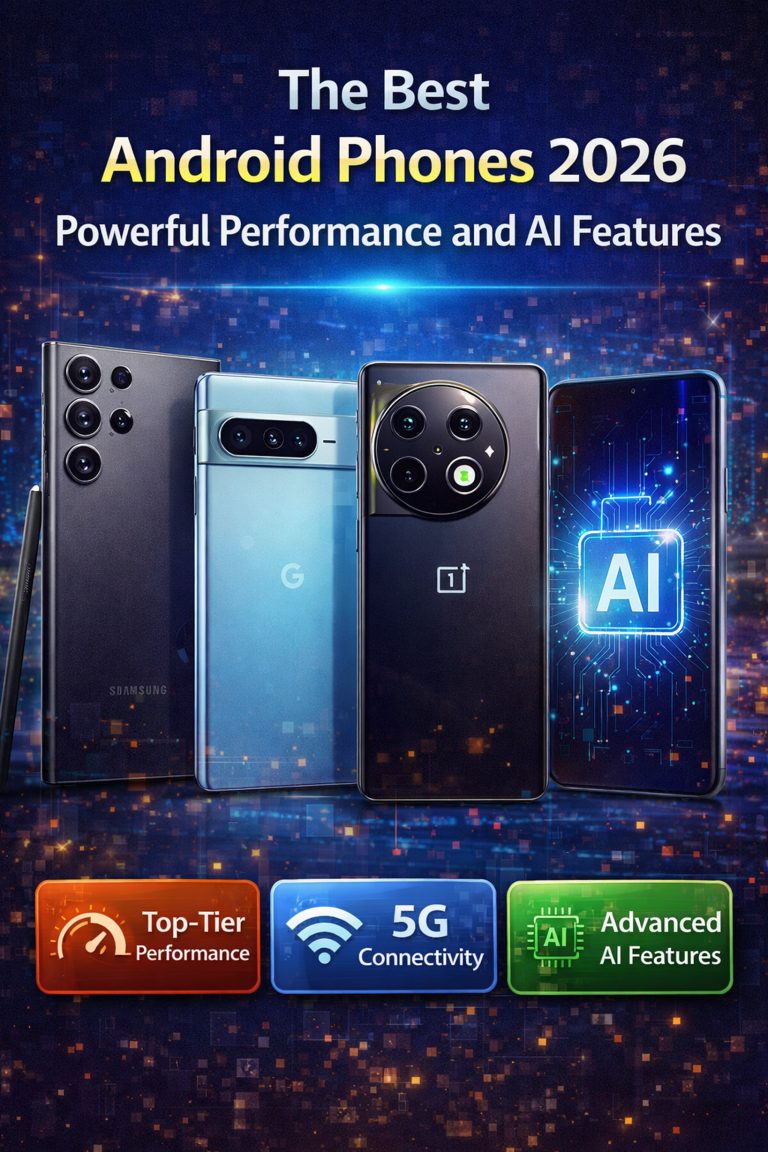
Samsung’s Galaxy S26 Ultra rocks a 5000mAh cell and Snapdragon 8 Gen 5. Real tests from PhoneArena give it 15 hours screen-on time. Exynos versions lag a bit, but U.S. models stay cool and strong.
Google’s Pixel 10 Pro impresses too. Its Tensor G5 chip and 5050mAh battery hit 13 hours in DXOMARK tests. Clean Android keeps drain low. These phones hold 85% capacity after two years, per user reports on Reddit.
Mid-Range Champions: Unbeatable Value and Stamina
Mid-range phones often win on battery for the price. The Nothing Phone 3 offers 5500mAh and lasts 12 hours easy. Its glyph lights don’t sap much, and tests from CNET praise the 14-hour video play.
OnePlus 13R packs 6000mAh in a slim body. You get 16 hours mixed use, beating flagships in some runs from TechRadar. The MediaTek Dimensity 8300 chip sips power.
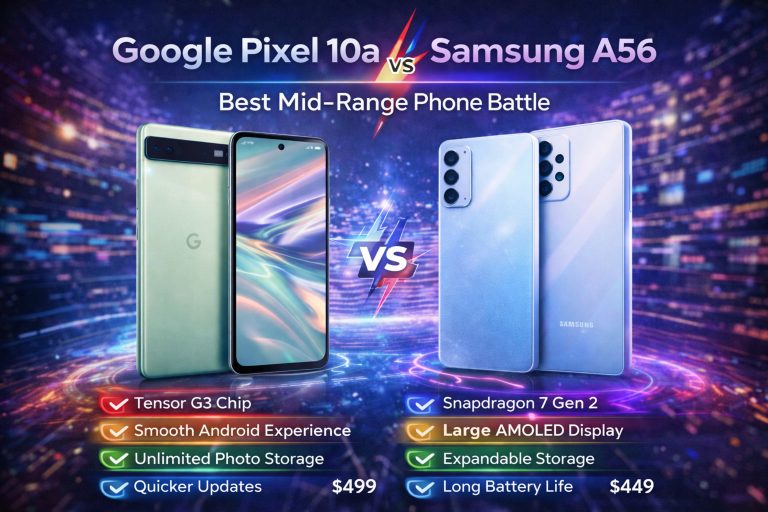
Samsung’s Galaxy A56 shines at $500. With 5000mAh, it delivers 11 hours screen time. Software updates promise three years of health tweaks. Value meets endurance here—perfect for daily drivers.
- Nothing Phone 3: Great for custom looks and long days.
- OnePlus 13R: Fast charge without quick fade.
- Galaxy A56: Reliable Samsung support.
The Specialty Pick: Phones Prioritizing Raw Battery Size
Some phones go big on battery alone. The Asus ROG Phone 9 skips slim design for 6000mAh. Gamers love its 18-hour standby, per IGN reviews. It trades lightness for all-day power, even with heavy play.
Sony’s Xperia 1 VII fits 5000mAh but optimizes for creators. Pro apps run smooth with 12 hours of editing, says Digital Trends. Niche picks like these suit pros who need stamina over flash.
Fairphone 5 stands out for repair fans. Its 4200mAh holds steady, and you swap batteries easy. Eco-focus means five years of life—best for green users.
Software Optimization: The Silent Battery Guardian
Software makes or breaks battery health. Good code stretches every drop. Let’s see how top systems stack up.
Operating System Efficiency Benchmarks
iOS edges Android on idle drain. Apple’s iOS 19 keeps background use under 1% per hour, per MacRumors tests. Android 16 closes gaps, but Samsung’s One UI adds extras.
A big update in 2025 boosted Android efficiency by 15%, says Google. Now, Pixels sip less on standby. iPhones win for video, though—13 hours vs. Android’s 11 in uniform tests.
Choose based on your flow. Heavy multitaskers? Android adapts well. Simple users? iOS saves quiet power.
Manufacturer-Specific Power Management Tools
Brands add unique tricks. Samsung’s Adaptive Battery learns your habits and cuts app power. It extends health by 20%, per their labs.
OnePlus Warp Charge limits to 80% overnight. This cuts stress and keeps capacity at 90% after a year. Google’s Doze mode freezes unused apps, saving 10% daily.
Pixel’s Extreme Battery Saver kills all but calls. These tools guard health, not just runtime. Turn them on for max life.
Adaptive Charging and Intelligent Limiting
Smart charging stops at 85% to ease wear. Apple’s Optimized Battery Charging does this based on your routine. It learns you charge at night and holds back till morning.
Samsung’s protects at 85% too. OnePlus lets you set limits in settings. These features prevent overnight full charges, adding 200 cycles.
Over time, this means your battery stays at 80% original after 800 uses. Simple tweak, big win.
Extending Longevity: Actionable Tips for Maximum Health
You can boost any phone’s battery. Small changes add up. Start with these habits.
Mastering Charging Habits for Health
Charge between 20% and 80%. This sweet spot avoids deep drains and full stress. Wired beats wireless—less heat means slower aging.
Skip overnight plugs. Use timers if needed. Fast chargers? Fine for quick top-ups, but slow ones preserve health better. One tip: Cool your phone before charging in hot weather.
Display Settings: The Biggest Power Drain Culprit
Screens eat power most. Set timeout to 30 seconds. Adaptive brightness dims auto based on light.
High refresh like 120Hz looks smooth but drains 20% more, per Battery tests. Drop to 60Hz for reading. Dark mode saves OLED screens extra juice.
- Shorten idle time.
- Match brightness to needs.
- Toggle high rates off when idle.
Managing Background Apps and Connectivity
Close unused apps daily. Limit background refresh to Wi-Fi only. This cuts drain by 15%.
5G guzzles power in weak spots. Switch to 4G where signal’s strong. Turn off Bluetooth and location when not in use.
Airplane mode for long flights saves big. Check battery stats weekly to spot hogs.
Conclusion: Investing in a Longer-Lasting Device
Pick phones with efficient chips, smart software, and health features like charge limits. These keep your battery strong for years. Models like the iPhone 17 Pro Max or Galaxy S26 Ultra shine for that.
Long battery health saves cash on replacements. It keeps your phone useful longer. The top choice lasts today and holds power tomorrow. Go for one that retains 80% after two years. Your wallet and sanity will thank you. Ready to upgrade? Check these picks and tweak your habits now.