Processor Performance Comparison in Modern Smartphones: Decoding the Silicon Showdown

Your smartphone feels alive in your hand, right? That’s no accident. The system-on-a-chip, or SoC, powers every swipe, snap, and stream. Pick the wrong processor, and your games stutter or your battery dies mid-day. But get it right, and you sail through tasks with ease. We’re talking frame rates in epic games, all-day battery life, and cameras that stun.
Big names like Qualcomm’s Snapdragon, Apple’s Bionic, MediaTek’s Dimensity, and Samsung’s Exynos lead the pack. These chips evolve fast—every year brings more speed and smarts. In this piece, we break down the latest mobile processors side by side. We’ll use real data and tests to show what matters most for you.
Understanding Mobile Processor Architecture: The Foundation of Speed
CPU Cores and Configurations (Big.LITTLE vs. Hybrid)
Modern smartphone processors pack different types of cores to handle tasks smartly. Think of it like a team: one star player for tough jobs, and backups for easy ones. Apple’s Bionic chips use a hybrid setup with high-power cores for bursts and low-power ones for background stuff.
Qualcomm’s Snapdragon follows the ARM big.LITTLE design. It often has one super-fast prime core, three mid-tier ones, and four efficient ones—like a 1+3+4 setup in the latest models. This mix boosts speed for apps while saving juice. MediaTek’s Dimensity chips do something similar, but they shine in balancing heat during long use.
The key? Peak power from those big cores loads apps quick. Yet efficiency cores keep things cool and running smooth. Without this balance, your phone heats up and slows down.
The Crucial Role of the GPU in Mobile Performance
Graphics matter more than ever on phones. The GPU handles smooth screens, videos, and games that look real. Qualcomm’s Adreno GPUs crush it in titles like Genshin Impact, pushing high frames without lag.
Apple’s custom GPU ties tight with iOS for fluid animations. It pulls ahead in everyday swipes and AR apps. Samsung’s Exynos uses ARM’s Mali GPUs, which hold their own but sometimes trail in raw power.
Why care? A weak GPU means choppy play or stuttery scrolls. Strong ones make your phone feel premium, no matter the task. As games get fancier, GPU strength separates good from great.
Manufacturing Process Nodes (The Nanometer Race)
Smaller nodes mean more transistors squeezed in tight. A 3nm process, like in Apple’s latest, packs power without guzzling battery. It cuts heat too, so your phone stays cool longer.
Qualcomm hits 4nm in recent Snapdragons, improving on older 5nm chips. MediaTek pushes to 3nm in flagships for better density. Smaller nodes let cores run faster at lower volts.
This race boosts everything from speed to life span. Phones on 3nm often last hours more on a charge. Trends show most top chips will hit 2nm soon, promising even wilder gains.
Benchmarking and Real-World Performance Metrics
Synthetic Benchmark Analysis (GeekBench, AnTuTu, 3DMark)
Benchmarks give a snapshot of power. Geekbench tests single-core speed for quick tasks like browsing. Multi-core scores show multitasking muscle—think editing videos while chatting.
AnTuTu mixes CPU, GPU, and memory for an overall vibe. High scores, say over 1.5 million on latest flagships, mean snappy all-around use. 3DMark stresses graphics, revealing gaming chops.
But don’t chase numbers blind. A high single-core Geekbench, like Apple’s 3,000+, speeds up app launches. Multi-core over 10,000 handles heavy loads. These tests guide you, but real life adds twists.
- Single-core: Best for solo apps, like opening maps fast.
- Multi-core: Rules in juggle mode, such as streaming and downloading.
- GPU-focused: Essential for smooth Fortnite runs.
Thermal Throttling and Sustained Performance Testing
Heat kills speed. After 10 minutes of gaming, many chips throttle to avoid meltdown. Apple’s Bionic holds steady thanks to tight software control—reviewers note just 10-15% drop after 30 minutes.
Snapdragon flagships dip more, around 20%, but recover quick with good cooling. Dimensity chips surprise in mid-range, throttling less than expected in tests from sites like AnandTech.
Sustained runs matter for you. A phone that bakes during PUBG? No fun. Look for chips with smart thermal maps. They keep frames high longer, turning marathons into wins.
Real tests show: Exynos lags in heat-prone markets, while Snapdragon shines in cooled designs. Pick based on your habits—short bursts or long hauls.
Specialized Engine Performance (AI and Imaging)
AI engines speed up tricks like photo edits or voice commands. Apple’s Neural Engine crunches data fast for night shots that pop. It handles face unlock in a blink.
Qualcomm’s Hexagon DSP powers real-time translation in apps. MediaTek’s APU rivals it in budget phones, making AI filters zippy. These units offload CPU work, saving power.
For you, this means quicker edits in Lightroom or smoother Siri chats. Strong NPUs turn average cams into pros. In 2026 tests, Apple’s leads, but Android catches up quick.
Key Contenders: Direct SoC Comparisons
Apple’s Ecosystem Dominance (A-Series/M-Series Derivatives)
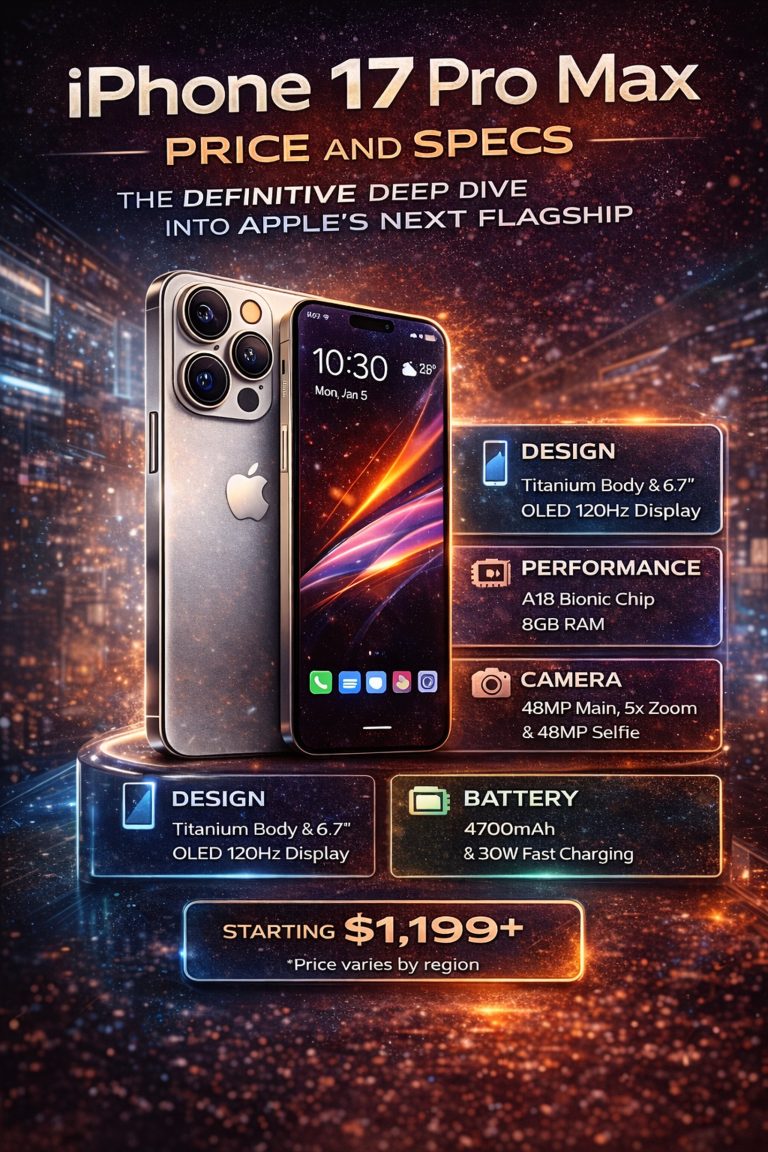
Apple’s A18 Bionic rules single-core tasks. Paired with iOS, it flies through edits and loads. Battery stretches far—up to 20 hours of mixed use in reviews.
Custom design means peak efficiency. No bloat slows it down. Gamers get solid frames, but GPU trails Snapdragon in raw grunt.
Why it wins? Optimization. Your iPhone feels faster than specs say. If you live in Apple’s world, this silicon fits like a glove.
Qualcomm Snapdragon Flagships (The Android Standard)
Snapdragon 8 Elite sets Android bars high. GPU power dominates games—60fps stable in heavy titles. 5G modem leads with top speeds.
It juggles tasks well, but heat can bite in slim phones. Still, broad support across brands makes it king. Tests show multi-core scores topping 12,000.
For gamers or streamers, it’s a beast. Connectivity keeps you linked, no drops.
The Challengers: MediaTek Dimensity and Samsung Exynos
Dimensity 9400 excels in value. Efficiency cores sip power for all-day use. Modem handles 5G smooth, often beating rivals in rural spots.
Exynos 2500 fights back in Samsungs. Unique ray tracing boosts game visuals. But global tests put it behind Snapdragon in consistency.
- MediaTek: Great for mid-tier speed without premium price.
- Exynos: Strong in-house perks, like better Galaxy ties.
- Both: Push Qualcomm with fresh ideas.
They close gaps, offering solid picks for budget hunters.
Performance Beyond the Numbers: User Experience Factors
Modem Efficiency and Connectivity Speeds
Speed means nothing without connection. Snapdragon’s X80 modem grabs mmWave for ultra-fast downloads—gigabit in cities. Sub-6GHz covers wide areas reliably.
Apple’s modem lags a tad in global bands but shines in efficiency. Dimensity matches Qualcomm in throughput, per Speedtest data. Poor modem? Buffering hell.
Real-world: Urban users love mmWave bursts. Travelers need broad support. Check bands for your spot.
Power Consumption vs. Battery Life Optimization
Peak scores fade fast without efficiency. High-end cores guzzle for sprints; low ones stroll all day. Apple’s per-watt lead means more screen time—say, 8 hours heavy use.
Snapdragon balances with AI tweaks, cutting idle drain. Dimensity surprises in light tasks, stretching 5,000mAh batteries far.
Tips:
- For travel, grab efficiency kings.
- Heavy users? Pair with big batteries.
- Track with apps to see real drain.
It turns numbers into your daily win.
Gaming Optimization and API Support
Games demand more than CPU. Vulkan API lets chips like Snapdragon render fast. Ray tracing in Exynos adds shadows that wow.
Apple supports Metal for smooth ports. Dimensity backs Vulkan too, running Call of Duty at high settings. Optimized titles like Asphalt 9 fly on all.
What if your fave game skips features? Chip choice matters. Test demos to match your style.
Conclusion: Choosing the Right Silicon for Your Needs
Top benchmarks crown Apple in single-core, Snapdragon in GPU. But hierarchy shifts with use.
Efficiency trumps speed every time. Heat and power define the real champ—your phone that lasts.
Prioritize like this:
- Photographers: Hunt strong NPU for sharp shots.
- Gamers: Go GPU-heavy with cool designs.
- Everyday folks: Pick efficiency for smooth days.
Weigh your needs, check reviews, and grab what fits. Your next phone’s heart beats stronger now. Ready to upgrade? Dive into specs and feel the difference.