AMOLED vs OLED: The Definitive Smartphone Display Technology Showdown
Your smartphone screen shapes how you see the world each day. It pulls you into videos, lights up photos, and makes games feel alive. AMOLED and OLED lead the pack in high-end phones, but they differ in key ways that affect your battery life, colors, and brightness.
We will break down these technologies step by step. You will learn what makes each one tick and how they stack up in real use. By the end, you will know which fits your needs best, whether you chase deep blacks or smooth scrolls.
Understanding the Core Technology: What Drives OLED Displays?
OLED screens changed how phones show images. They use organic compounds that light up when electric current hits them. This setup skips the old backlight found in LCDs, so each pixel glows on its own.
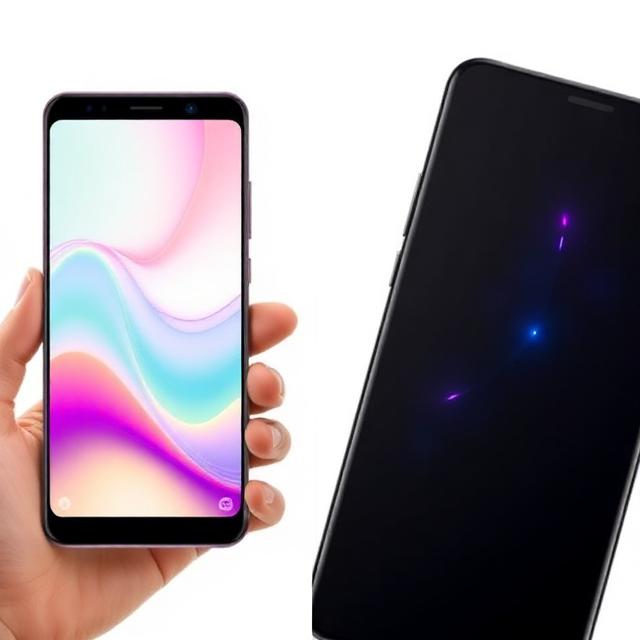
True blacks come from pixels that turn off completely. No light leaks through, unlike in other screens. This gives you sharp contrast that makes dark scenes pop in movies or night photos.
OLED builds the base for better displays in phones today. It sets up infinite contrast ratios, where bright spots shine next to pure dark areas. You get a viewing experience that feels more real and immersive.
Organic Light Emitting Diodes (OLED) Fundamentals
Each OLED pixel has layers of organic material sandwiched between electrodes. When voltage flows, these layers emit light in red, green, or blue. No need for a separate light source means thinner designs and flexible options.
Self-emissive pixels mean you see exact control over light output. For blacks, the pixel shuts down, drawing no power at all. This tech shines in low-light rooms, where shadows look deep and details stand out.
Many top phones, like recent Samsung models, use OLED cores. It forms the heart of vibrant displays you hold daily. Understanding this helps you spot why OLED beats older types in contrast.
The AMOLED Differentiation: Active Matrix
AMOLED adds an active matrix layer to standard OLED. This uses thin-film transistors (TFTs) behind each pixel for quick switches. It controls power and timing better than passive versions.
Passive matrix OLED suits small screens like wearables, but it struggles with larger ones. Active matrix fixes that by addressing pixels row by row without lag. You get faster responses, key for videos or taps.
In smartphones, AMOLED rules flagships from brands like Google and Apple. The TFT layer boosts efficiency, letting screens refresh quicker. This makes scrolling feel smooth and games less blurry.
Performance Metrics: A Head-to-Head Display Analysis
Key stats show how AMOLED and OLED perform side by side. We look at color, brightness, and power use—things that hit your daily phone habits. These metrics guide choices for better viewing.
Both techs excel over LCD, but small tweaks set them apart. AMOLED often edges out in speed and control. Let’s dive into the numbers.
Color Accuracy and Vibrancy
OLED covers wide color gamuts, like 100% DCI-P3 in many panels. This means richer reds and greens for photos or apps. AMOLED builds on this with better calibration to hit sRGB standards without oversaturation.
Early AMOLED screens pumped up colors too much, making skin tones look off. Now, makers tune them for balance—think Samsung’s Galaxy series with accurate hues. You notice this in editing pics or watching Netflix.
Both hit high marks, but AMOLED’s matrix helps maintain vibrancy across apps. Tests show Delta E scores under 2 for top models, meaning colors match real life close. For creative work, this precision matters.
- DCI-P3 Coverage: OLED at 95-110%, AMOLED often 120% with tweaks.
- Saturation Control: Modern AMOLED avoids the “poppy” look of old ones.
- Real Test: Side-by-side, AMOLED feels more lively in mixed lighting.
Brightness and Outdoor Visibility
Peak brightness reaches 1,000 to 2,000 nits on flagships. Standard OLED tops at 1,200 nits, while high-end AMOLED hits 2,500 in spots like HDR peaks. This helps you see clearly under sun.
AMOLED’s active control boosts light where needed, cutting glare. In direct sun, phones like the iPhone 15 Pro use AMOLED for sharp text. OLED holds up well but may dim faster in heat.
For HDR videos, both shine, but AMOLED handles bright highlights better. You get less washout in sunny parks or car rides. Data from DisplayMate shows AMOLED leading in real-world visibility tests.
Outdoor use favors AMOLED for its punch. Think checking maps or snaps without squinting.
Power Efficiency and Battery Life
OLED pixels use zero power for blacks, saving juice on dark themes. A full black screen draws almost nothing, unlike LCDs. AMOLED refines this with precise transistor control, lowering overall draw.
In tests, phones with AMOLED last 10-15% longer on mixed use than older OLED. White screens pull more power since all pixels light up. Dark mode apps extend playtime by hours.
Flagship examples: Samsung’s S24 with AMOLED sips battery on YouTube. Compared to PMOLED in budget gear, it wins big. You feel it in all-day use without plugs.
- Black Display Savings: Up to 30% less power than LCD.
- Bright Content Drain: AMOLED manages it better, around 20% efficiency gain.
- Tip: Switch to dark themes for max battery wins.
Durability and Longevity Concerns
OLED screens face wear over time, shared by both types. Organic layers fade, but makers fight back with smart fixes. You want a screen that stays crisp for years.
Burn-in risks static images, like status bars. Both techs deal with it, but AMOLED’s control helps prevent issues. Longevity ties to how you use your phone daily.
The Issue of Burn-In and Image Retention
Burn-in happens when stuck pixels leave ghost images after long static display. Think navigation bars or keyboard keys that linger. OLED’s organic nature makes it prone if left on one image too long.
AMOLED uses pixel shifting to move elements slightly, dodging burn spots. Samsung and LG add this in updates. Retention fades quick, but burn sticks—avoid it by varying content.
Real cases show rare issues in 2026 models with protections. You can test by showing solid colors; ghosts vanish fast. Mitigation keeps your screen fresh for 3-5 years.
- Causes: High brightness on static UI for hours.
- Fixes: Auto-dimming, screen savers, and software shifts.
- User Habit: Lower brightness and mix apps to stay safe.
Lifespan and Degradation of Organic Materials
Organic stuff breaks down from use, especially blue pixels that wear fastest. Over 20,000 hours, colors shift yellow. Both OLED and AMOLED face this, but newer materials last longer.
AMOLED panels in 2026 phones promise 100,000 hours before big fade. Makers like BOE improve blue stability. You see slight tint changes after two years, but it’s minor.
Warranty covers defects, often up to 2 years. Heat speeds decay, so cool your phone. Proper care means vibrant screens stay that way.
Market Application and User Experience Implications
Displays shape how you interact with your phone. AMOLED leads in premiums, powering smooth experiences. OLED forms the base, but active tweaks make it flagship-ready.
From gaming to movies, choices matter. Let’s see where each fits your routine.
Refresh Rate Technology and Smoothness (90Hz vs 120Hz+)
AMOLED’s active matrix enables high refresh rates like 120Hz or 144Hz. Pixels update fast, so scrolls and animations glide. Standard OLED lags behind without this layer.
You enable it in settings—go to display options and pick adaptive mode. It saves battery by dropping to 60Hz on static screens. Games like Genshin Impact feel buttery at 120Hz.
Phones like OnePlus 12 use AMOLED for this edge. Lower rates work for basics, but high ones boost daily joy. Test it; the difference hits quick.
- 90Hz: Smooth enough for browsing.
- 120Hz+: Ideal for gaming, less stutter.
- Adjust Tip: Set to adaptive for battery balance.
Use Cases: Gaming vs. Content Consumption
For gaming, AMOLED wins with quick pixel response under 1ms. No blur in fast action like PUBG. OLED holds up, but matrix control sharpens edges.
Content watching favors both for color depth. Deep blacks make Netflix scenes immersive. AMOLED’s vibrancy suits bright trailers; OLED excels in dark rooms.
Pick based on habits—if you game a lot, chase AMOLED. For movies, either works, but calibration matters. Try demos in stores to feel the pull.
Conclusion: Determining the Modern Flagship Standard
AMOLED stands as the top choice for premium smartphone displays in 2026. It builds on OLED’s strengths with better speed and control. You get stunning contrast, lively colors, and solid battery perks.
Both shine over past tech, but AMOLED leads flagships. It tackles burn-in and lasts well with care. For your next phone, check specs—AMOLED means top performance.
Upgrade smart: Look for high nits and 120Hz. Your eyes will thank you with every swipe and stream.