Unleash Fluid Motion: The Definitive Guide to High Refresh Rate Smartphones for Unrivaled Performance
Imagine swiping through your feed and feeling every scroll glide like silk. Now picture the same action on an old 60Hz screen—it stutters, it lags, it pulls you out of the moment. In our busy lives full of quick taps and fast apps, those standard displays just can’t keep up. They make everything feel choppy, especially when you’re gaming or browsing late into the night.
High refresh rate smartphones change that. These devices refresh the screen more times per second, creating buttery-smooth visuals. We’ll dive into why rates like 90Hz, 120Hz, and even 144Hz matter so much. You’ll learn who gains the most from them, and how to pick the best one for you. By the end, you’ll see high refresh rate smartphones as a must-have for smooth performance in daily use.
Understanding the Technology: What Drives Smoothness?
High refresh rate smartphones rely on smart tech to deliver that fluid feel. At the heart, it’s about how often the screen updates. Let’s break it down step by step.
Defining Refresh Rate vs. Touch Sampling Rate
Refresh rate measures how many times the screen draws a new image each second, in hertz (Hz). A 60Hz screen updates 60 times, while 120Hz does it twice as fast. This makes motion look sharper and less blurry.
Touch sampling rate is different. It tracks how often the screen checks for your finger taps. High rates, like 240Hz, mean quicker response to swipes. For gamers, this cuts delay in fast games. Without it, even a high refresh rate screen can feel off.
Both work together for top smoothness. In high refresh rate smartphones, pair them right, and you get instant feedback.
The Evolution from 60Hz to Ultra-Fluid Displays
Screens started at 60Hz, fine for basic calls and texts back in the day. Then phones got more powerful, and apps demanded more. Brands like Samsung pushed 90Hz in 2019 with the Galaxy Note 10 Plus. It felt like a big step up from the jerkiness of old panels.
By 2021, 120Hz became common on flagships. OLED panels shine here—they’re thin and fast, unlike bulkier LCDs that struggle with high rates. Now, in 2026, we see 144Hz on gaming phones like the Asus ROG series. Each jump builds on better chips and software.
This shift happened because users noticed the difference. Smooth scrolls and clear animations won people over. High refresh rate smartphones now define what a good phone feels like.
Adaptive Refresh Rate Technology (LTPO) Explained
LTPO stands for low-temperature polycrystalline oxide, a type of display tech. It lets the screen switch refresh rates on the fly. Watch a video? It stays at 60Hz to save juice. Play a game? It ramps to 120Hz for action.
This solves the big downside of high rates: battery drain. Without it, your phone guzzles power. With LTPO, like on the latest iPhone or Galaxy models, static images drop to 1Hz. You get smooth performance without constant charging.
Brands use LTPO in premium high refresh rate smartphones. It balances fun and efficiency. Test it yourself—notice how the phone adjusts during a quiet read versus a busy scroll.
The Performance Impact: Real-World Benefits of High Refresh Rates
Once you try a high refresh rate smartphone, there’s no going back. It touches every part of your day, from play to work. Let’s see the real wins.
Enhanced Gaming Immersion and Responsiveness
Gaming on a high refresh rate phone pulls you right in. Frames flow without hitches, so enemies don’t blur past. In titles like Call of Duty Mobile, 120Hz cuts input lag by half compared to 60Hz.
You track motion better, react faster. Pros in esports swear by it for that edge. Try Genshin Impact at high frames—worlds feel alive, not choppy.
For casual players, it just makes fun last longer. No more frustrating stutters mid-battle. High refresh rate smartphones turn your device into a portable console.
Superior Daily User Experience and Scrolling Fluidity
Think about your morning routine. You grab your phone, swipe through news, and jump to emails. On a 90Hz or higher screen, it all feels effortless. Pages zip by without drag.
Social apps like Instagram shine. Feeds scroll like they’re greased. The OS animations pop—unlocking or switching apps looks crisp.
It’s that small stuff that adds up. High refresh rate smartphones make the phone feel alive in your hand. You notice less wait, more flow.
Reduced Eye Strain and Motion Blur Perception
Stare at a low-rate screen too long, and your eyes tire. Motion blur happens when images smear during quick moves. Higher Hz fixes this—less flicker, clearer paths.
Studies show it eases fatigue during long sessions. Browse for hours? Your head won’t pound as much. It’s like upgrading from a bumpy road to a smooth highway.
In bright rooms, high refresh rate displays handle light better too. No more squinting at fuzzy edges. Your eyes thank you after a full day.
Choosing Your Refresh Rate Sweet Spot: 90Hz, 120Hz, or Beyond?
Not all high rates fit every need. Pick based on your habits. Here’s a guide to find yours.
90Hz: The Entry Point to Fluidity
Start here if you’re easing into smoothness. 90Hz doubles the standard 60Hz feel without huge cost. It’s great for mid-range phones like the Google Pixel 7a.
You get smoother scrolls and lighter battery hit. Budget buyers love it for daily tasks. It’s the baseline for modern high refresh rate smartphones now.
If gaming isn’t your thing, this rate covers basics well. No need for more if cash is tight.
120Hz: The Current Industry Standard for Flagships
Most top phones hit 120Hz, and for good reason. It matches common 60fps content perfectly, doubling the updates. Samsung’s Galaxy S24 series nails it with vibrant OLED.
Google Pixels optimize software for this rate too. Animations feel natural, games run buttery. In 2026, it’s the sweet spot for balance.
You won’t notice much gain over 90Hz in simple use, but in action? Night and day. Go for 120Hz in high refresh rate smartphones if you want flagship vibes.
144Hz and Higher: Niche Performance for Mobile Gamers
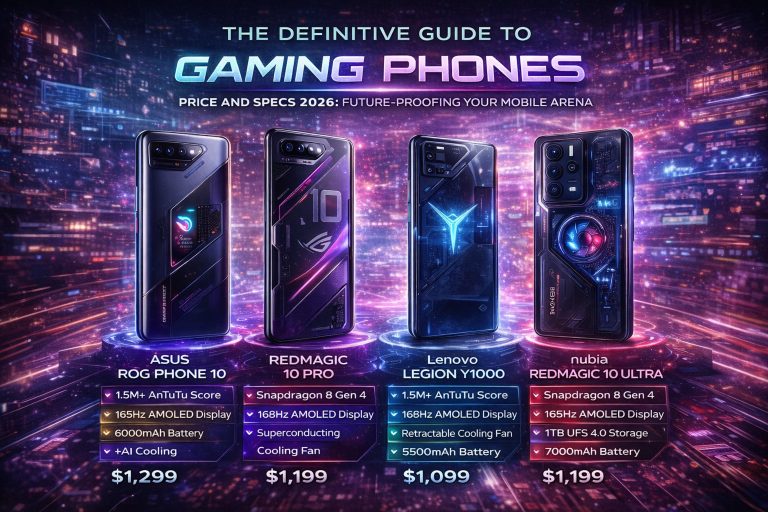
These rates target hardcore players. Phones like the Red Magic 9 Pro push 144Hz for esports titles. It shines in fast-paced shooters where every millisecond counts.
But few apps support it fully—most cap at 120Hz. Battery drops quicker without adaptive tech. It’s overkill for tweets or texts.
If you’re deep into mobile gaming, grab one. Otherwise, stick lower. Diminishing returns kick in fast.
Beyond the Hertz: Critical Complementary Hardware
A high number alone won’t cut it. Pair it with solid parts for true smooth performance in high refresh rate smartphones. Let’s look closer.
Processor Power: Matching the Chipset to the Display
Your chip drives the show. A Snapdragon 8 Gen 3 or Apple A18 keeps frames steady at high Hz. Weak processors stutter, wasting the screen’s potential.
In games, it means consistent 120fps. For apps, quick loads. Match power to rate, or you’ll feel the lag.
Look for phones with top chips. They make high refresh rate smartphones worth the buy.
Battery Capacity and Charging Speed
High rates sip more power—up to 20% faster drain. Counter it with 5000mAh batteries, like on OnePlus models. They last a full day even at 120Hz.
Fast charging helps too. 65W gets you back quick. No downtime means more smooth fun.
Big batteries plus quick top-ups make high refresh rate phones practical.
Display Calibration and Color Accuracy
Smooth isn’t enough; colors must pop. Aim for DCI-P3 coverage over 100% for vivid hues. Brightness above 1000 nits fights glare.
Calibrated screens, like on Sony flagships, show true blacks on OLED. It enhances the fluid motion.
A great display ties it all. Check specs for high refresh rate smartphones with these perks.
Conclusion: Making the Upgrade Worthwhile
High refresh rate smartphones deliver smooth performance that’s hard to beat. From gaming wins to easy scrolls, they upgrade your whole experience. We’ve covered the tech, benefits, and picks—90Hz for starters, 120Hz for most, higher for pros.
Don’t forget adaptive LTPO for battery smarts. It keeps things efficient. If your current phone feels sluggish, it’s time to switch.
Ready for fluid motion? Check out the latest high refresh rate models today. Your eyes and thumbs will love it.