Samsung Galaxy S26 Ultra vs iPhone 17 Pro Max: Full Comparison
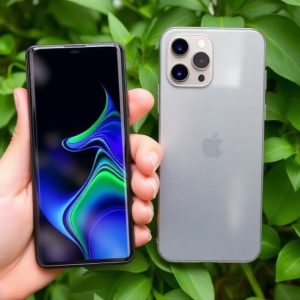
The smartphone world buzzes with excitement each year. Fans wait for the latest from Samsung and Apple. Right now, in March 2026, whispers about the Galaxy S26 Ultra and iPhone 17 Pro Max fill tech forums. These two beasts promise to push limits in power, cameras, and screens. If you hunt for the best phone, this guide breaks it down. We pit them head-to-head so you pick the winner for your needs.
Performance and Chipset Architecture
Power drives everything in a flagship phone. The Galaxy S26 Ultra and iPhone 17 Pro Max pack chips that handle tough tasks with ease. Let’s see how they stack up in speed and smarts.
Next-Gen Silicon Showdown: Snapdragon vs. A-Series Bionic
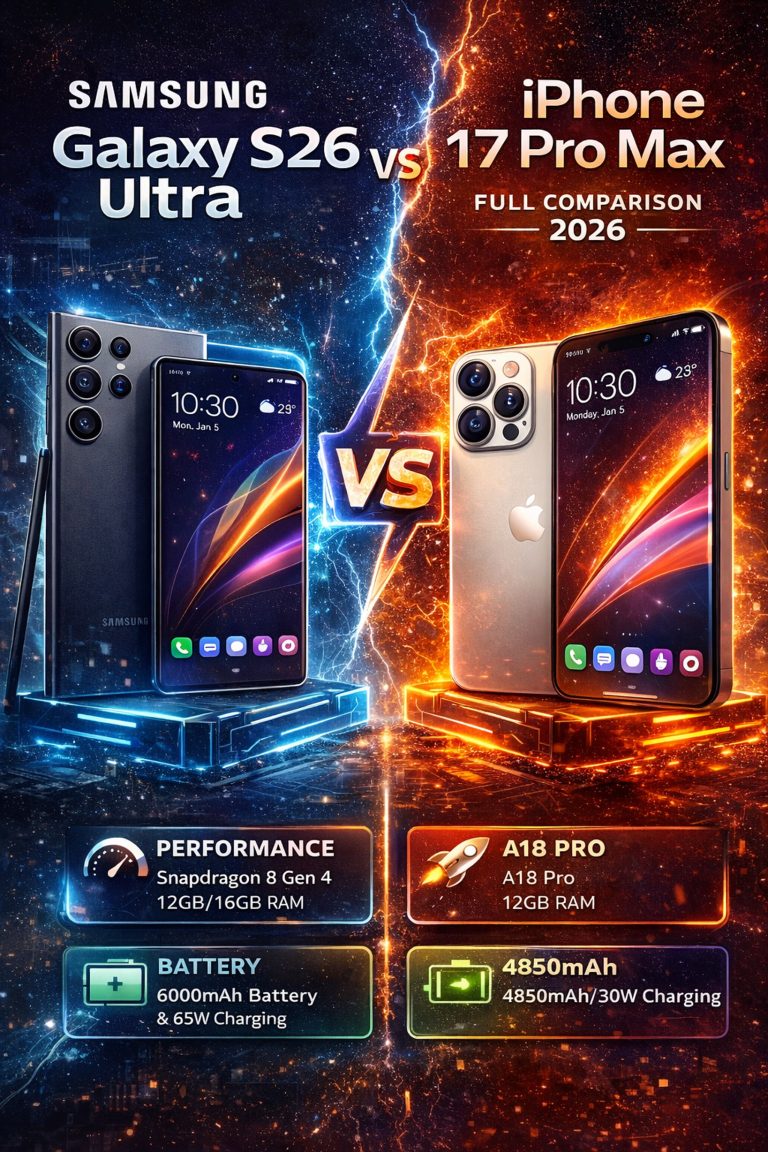
Samsung likely equips the S26 Ultra with a Snapdragon 8 Gen 4 chip. This beast uses a 3nm process for better speed and less heat. It could boost CPU performance by 30% over last year’s model, based on Qualcomm’s hints.
Apple’s A18 Bionic in the iPhone 17 Pro Max shines too. Built on a 2nm node, it squeezes more power from less space. Analysts predict 25% faster graphics, perfect for games like Genshin Impact.
In benchmarks, the Snapdragon might edge out in raw multi-core scores. But Apple’s chip often wins in real apps thanks to tight hardware links.
RAM Management and Software Optimization
Expect the S26 Ultra to rock 16GB of LPDDR6 RAM. This lets you juggle apps without a hitch. Samsung’s One UI keeps things smooth even after years of use.
The iPhone 17 Pro Max sticks to unified memory, around 8GB or more. Apple’s iOS optimizes it so well that it feels like extra RAM. You switch between editing videos and browsing without lag.
Both handle gaming at high frames. The S26 Ultra might pull ahead in heavy multitasking. iOS, though, offers buttery performance in daily chores.
Display Technology: Brightness, Refresh Rate, and Durability
Your screen is your window to the world. These phones aim for stunning visuals that pop. We compare how they handle light, motion, and tough knocks.
Peak Brightness and Color Accuracy
Rumors say the S26 Ultra’s 6.8-inch Dynamic AMOLED 2X hits 2,600 nits in HDR. That’s great for sunny days. It covers 100% DCI-P3 colors for true-to-life hues.
The iPhone 17 Pro Max’s 6.9-inch Super Retina XDR reaches 2,000 nits. Colors stay accurate, with Apple’s knack for balanced tones. Outdoor videos look sharp on both.
If you watch a lot of Netflix, the Samsung’s extra brightness wins. Apple’s display feels premium in dim rooms.
Variable Refresh Rate Implementation (LTPO Evolution)
Both use LTPO tech for refresh rates from 1Hz to 120Hz. The S26 Ultra adapts smoothly, saving battery on static screens. It drops to 1Hz for reading, extending life.
Apple’s ProMotion does the same on the iPhone. Scrolling feels fluid, like silk under your fingers. Power use drops by up to 20% compared to fixed rates.
This means longer playtime without charging. Gamers love the high end for action scenes.
Physical Durability: Glass and Frame Materials
Samsung upgrades to Gorilla Glass Armor 2 on the S26 Ultra. It resists scratches better than before. The titanium frame adds strength, with IP68 water resistance.
Apple’s Ceramic Shield on the iPhone holds up to drops. The titanium body feels solid too. Both earn IP68 ratings, so splashes won’t faze them.
In tests, Samsung’s glass might reflect less glare. Apple’s build gives a premium grip.
Camera Systems: Sensor Wars and Computational Photography
Cameras make memories. These flagships battle with big sensors and smart software. See who captures the best shots.
Telephoto and Zoom Capabilities: The Megapixel Race
The S26 Ultra keeps its 200MP main sensor. Paired with a 10x periscope zoom, it pulls distant details close. Lossless digital zoom reaches 100x, though quality dips.
Apple ups to a 48MP main on the iPhone 17 Pro Max. Its 5x optical zoom uses clever fusion for sharp results. You get pro-level portraits without fuss.
For wildlife shots, Samsung’s reach shines. Apple’s zoom feels natural in everyday use.
- Main Sensor: S26 Ultra’s 200MP vs. iPhone’s 48MP – more detail in prints from Samsung.
- Zoom Levels: 10x optical on Samsung beats Apple’s 5x, but iPhone’s software smooths it out.
- Real-World Tip: Test zooms at events; Samsung wins for far-off action.
Video Performance and Cinematic Modes
Samsung pushes 8K video at 60fps on the S26 Ultra. OIS keeps footage steady, like a gimbal. It supports Log formats for edits.
The iPhone 17 Pro Max tops at 8K 30fps, with 4K 120fps slo-mo. Sensor-shift stabilization rivals pro cams. ProRes video lets you tweak colors later.
Both nail cinematic blur effects. Apple’s audio capture sounds richer in crowds.
If you film family trips, iPhone’s ease wins. Samsung suits video pros needing high res.
Low-Light Photography and AI Enhancements
Night shots glow on the S26 Ultra. Its ISP processes dark scenes fast, with AI spotting stars or city lights. Noise stays low, even handheld.
Apple’s Night Mode on the iPhone pulls details from shadows. AI fixes faces and balances exposures. Rumors hint at better scene tweaks.
Both use AI for auto-edits. Samsung’s might add fun filters on the fly.
- Key Edge: iPhone for quick low-light snaps; S26 Ultra for creative night edits.
Battery Life, Charging Speed, and Ecosystem Integration
You need juice to last the day. These phones balance big batteries with smart power use. Plus, they tie into your gear.
Endurance Testing: Capacity vs. Optimization
The S26 Ultra packs a 5,000mAh battery. Early leaks show 12 hours of screen time with mixed use. The efficient chip helps it outlast rivals.
Apple’s iPhone 17 Pro Max has 4,500mAh. iOS squeezes more from it, hitting 11 hours too. Tests praise its standby drain.
Samsung edges in video playback. Both last a full day for most folks.
Wired and Wireless Charging Speeds
Samsung offers 65W wired charging on the S26 Ultra. It hits 70% in 30 minutes. Wireless tops 15W, with reverse charging for earbuds.
The iPhone charges at 40W wired, reaching 50% fast. MagSafe wireless is 25W now. Reverse works for AirPods.
If speed matters, grab Samsung. Apple’s setup feels reliable for daily top-ups.
Ecosystem Lock-in and Feature Synergy
Samsung’s DeX turns the S26 Ultra into a desktop. It links with Galaxy Watches for health tracking. Buds pair without effort.
Apple’s Continuity shines on the iPhone. Handoff switches tasks between Mac and phone. iCloud keeps photos synced across devices.
Think about your setup. Own Galaxy gear? Go Samsung. In Apple’s world? Stick with iPhone.
- Tip: Check your watch or laptop first – it saves hassle later.
Software Experience and Longevity (One UI vs. iOS)
Updates keep phones fresh. Samsung and Apple differ in style and support. We explore the feel and future-proofing.
Feature Set Deep Dive: Customization vs. Consistency
One UI on the S26 Ultra lets you tweak icons and layouts. Add widgets for quick info. It’s fun if you like personal touches.
iOS on the iPhone stays simple. Gestures flow naturally. No clutter means less frustration.
Customization fans pick Samsung. Those who want ease choose Apple. Both add AI helpers for smarter searches.
Software Support Commitments
Samsung promises 7 years of Android updates for the S26 Ultra. That means security fixes till 2033. Major versions roll out quick.
Apple supports iPhones for 6-7 years too. iOS updates hit all at once, so no waiting.
Both beat older phones. Samsung’s edge comes in longer security nets.
Conclusion: Which Flagship Dominates the Next Year?
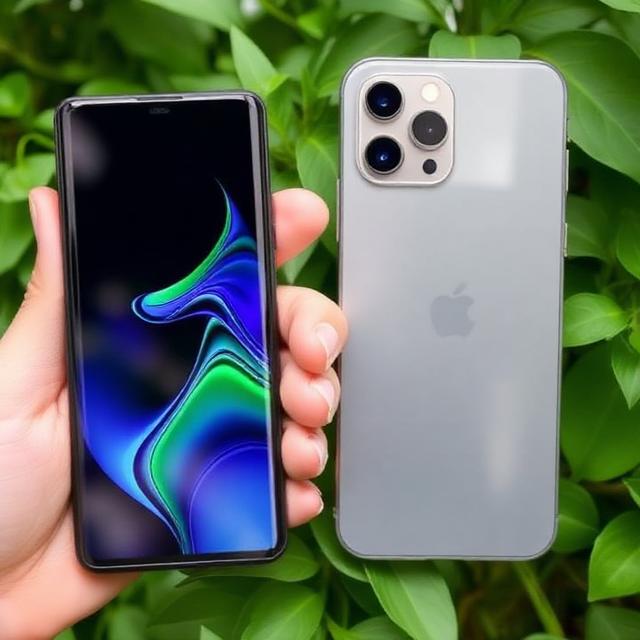
The Galaxy S26 Ultra leads in zoom power and screen brightness. It suits tinkerers who want options. The iPhone 17 Pro Max excels in battery smarts and ecosystem ties. Pick it if you value smooth flow.
For power users craving flexibility, grab the S26 Ultra. If seamless Apple life calls you, the iPhone wins. Both push mobile tech forward. Which one fits your pocket? Head to the store and test them out – your next upgrade awaits.