The Definitive 2026 Buyer’s Guide: What to Look for Before Buying a Smartphone
Smartphones shape our daily lives more than ever. In March 2026, picks go beyond shiny designs. You face a flood of options, from AI-packed devices to eco-friendly builds. Innovation now centers on smart features and long-term value, not just faster cameras. This guide cuts through the noise. It shows you key traits to check before you buy a smartphone in 2026. You’ll learn what makes a device last, so your next phone fits your needs for years.
Section 1: Processing Power and Future-Proofing Performance
Power under the hood matters most for smooth use over time. In 2026, chips handle heavy tasks like AI editing or gaming without a hitch. Look for setups that keep your phone quick as apps grow more demanding.
Next-Generation Chip Architectures (The Silicon Race)
Flagship chips in 2026 use 2nm processes for top efficiency. These shrink transistors, so devices run cooler and save battery. Raw speed takes a back seat; focus on how well it holds up during long sessions.
You gain from better heat control too. That means less throttling when you stream or edit videos. Check reviews from sites like AnandTech for real tests on these chips.
One tip: compare sustained benchmarks, like Geekbench scores over 30 minutes. Peak numbers can trick you. Go for phones that balance power and everyday tasks.
RAM Management and AI Acceleration Cores
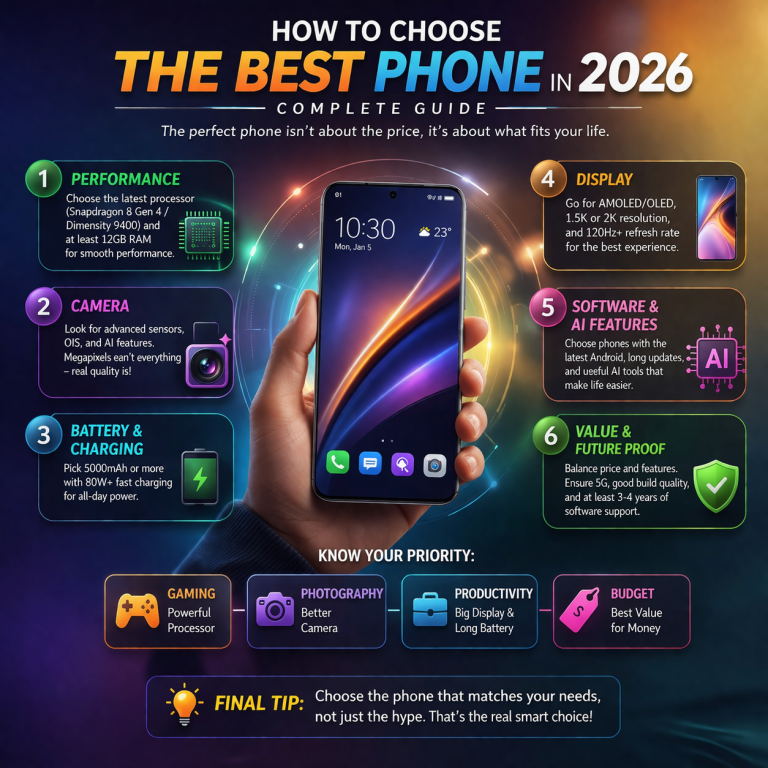
At least 12GB RAM stands as the baseline for power users in 2026. It lets you juggle apps without lag. But dedicated NPUs shine for AI jobs, like instant photo tweaks or voice commands.
These cores process tasks on the phone, not in the cloud. You get faster results and stronger privacy. For heavy AI use, aim for 16GB or more to future-proof your buy.
Think about your habits. If you edit videos often, extra RAM pays off. Otherwise, standard tiers work fine for calls and browsing.
Connectivity Standards: Beyond 5G Dominance
5G covers most areas now, but check for mmWave support in cities. It delivers gigabit speeds for downloads. Sub-6 bands fill in rural spots with solid coverage.
Early 6G tests roll out in parts of Asia and Europe by late 2026. They promise even lower lag for VR calls. But for now, ensure your phone hits top 5G marks from carriers like Verizon.
Global timelines point to wider 6G by 2028. Stick to devices with upgrade paths via software. That way, you stay connected as networks shift.
Section 2: Display Technology: Visual Fidelity and Durability
Screens define how you interact with your phone. In 2026, they offer brighter views and tougher builds. Pick one that matches your outdoor habits or gaming style.
Refresh Rates and Adaptive Sync Capabilities
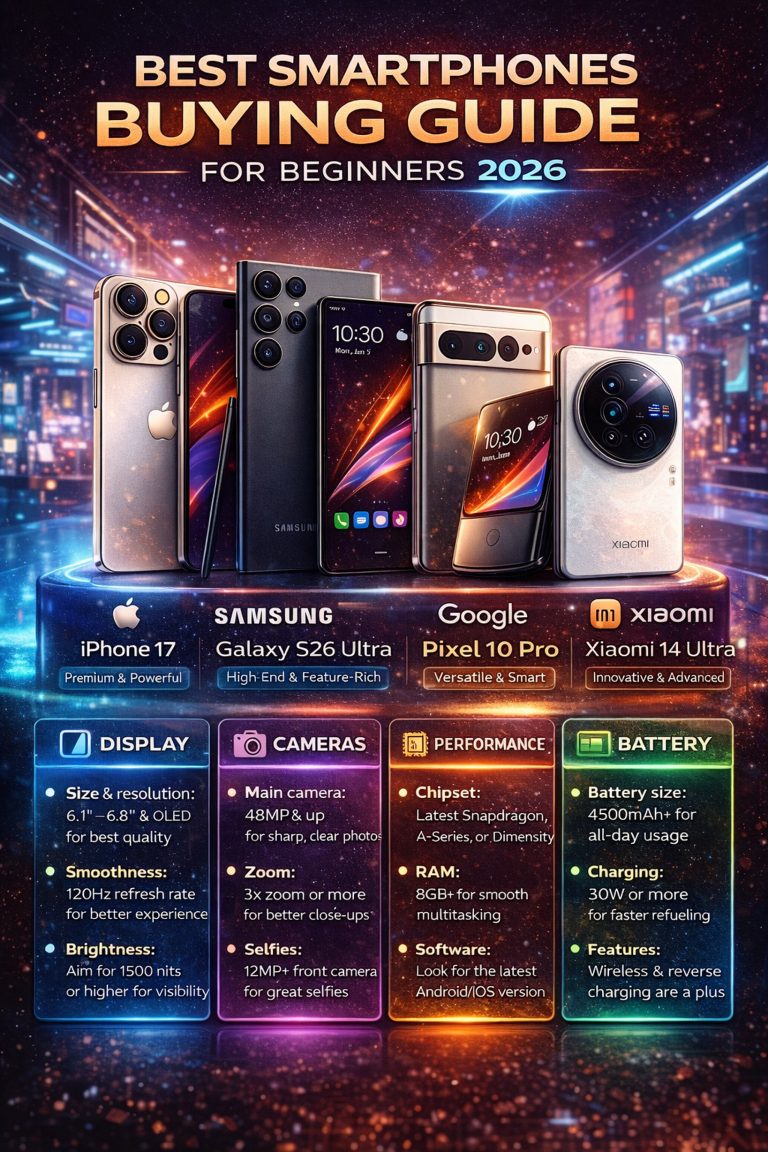
Flagships hit 144Hz refresh rates as standard this year. Smooth scrolls and animations feel natural. LTPO tech adjusts rates on the fly, from 1Hz for reading to full speed for games.
This saves battery without losing quality. You notice it most in fast videos or maps. Test it in stores to see the difference.
Lower-end phones might stick to 120Hz. But for the best, go adaptive. It extends playtime on a single charge.
Panel Materials and Durability Innovations
New materials like Ceramic Shield 2.0 replace older glass. They resist cracks from drops up to 2 meters. Foldables use ultra-thin glass that bends without breaking after 200,000 folds.
Durability tests from labs show these hold up better in daily use. You worry less about cases if the screen stands strong. For foldables, check hinge ratings from makers.
Sustainability ties in here too. Some use recycled aluminum frames. That cuts waste while keeping strength.
Peak Brightness and HDR Standards for Outdoor Use
Aim for 2000 nits peak brightness to fight glare. You read texts or maps easily in direct sun. HDR10+ certification ensures vivid colors in movies.
Dolby Vision adds depth to streams on Netflix. Without it, dark scenes look flat outside. Real users report clearer views on hikes or beach days.
Match this to your lifestyle. If you stay indoors, 1500 nits suffices. But for travel, higher levels win.
Section 3: Camera Systems: Computational Photography Over Hardware
Cameras evolve fast, blending smart software with solid sensors. In 2026, they capture pro-level shots without fuss. Focus on systems that excel in real scenarios, not just specs.
Sensor Size and Pixel Binning Strategies
Larger 1/1.3-inch sensors beat megapixel races. They grab more light for sharp night photos. Binning merges pixels to boost detail in dim spots.
Software then enhances colors and reduces noise. You get natural skin tones in portraits. High MP counts, like 200, often crop poorly.
Trade-offs matter: big sensors mean better low-light, even at 50MP. Test samples from reviewers to judge.
The Evolving Role of Periscope and Variable Aperture Lenses
Periscope lenses offer 5x optical zoom without bulky designs. They pull in distant subjects clearly, like wildlife from afar. Digital zoom blurs edges; optical keeps it crisp.
Variable apertures, from f/1.4 to f/4, control light like pro cameras. Wide open for portraits, narrow for landscapes. It widens dynamic range in harsh light.
In a 2025 concert, such zoom let fans snap stage shots without front-row seats. Now in 2026, it shines for sports or travel. Check lens counts; more means versatility.
Video Capabilities and Cinematic Modes Refined
8K video at 60fps becomes common on flagships. It future-proofs clips for big screens. Log profiles let you edit colors later, like filmmakers do.
Sensor-shift stabilization smooths shaky walks. You film steady footage without gimbals. Add AI for auto-focus on faces in crowds.
For creators, these tools turn phones into studios. Casual users love quick cinematic blur effects. Look for 10-bit color support too.
Section 4: Battery Longevity and Charging Ecosystem
Battery life tops complaints lists. In 2026, efficiency trumps size. Choose phones that last through your day, plus some.
True All-Day Battery Life Benchmarks
All-day means 10 hours screen time with mixed use. Processors demand more, so 5000mAh packs must pair with smart power management. Tests show top models hit 12 hours easily.
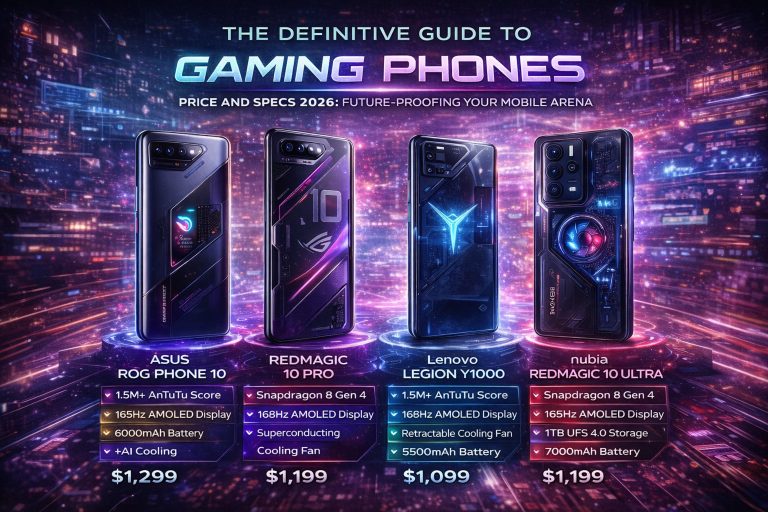
Go beyond mAh; check active use scores from GSMArena. Heavy gamers need 5500mAh or better. Light users find 4500mAh enough.
Real life varies. Streaming drains faster than emails. Pick based on your routine.
High-Speed Wired and Wireless Charging Protocols
Wired speeds reach 120W, full charge in 20 minutes. But heat can harm batteries; seek cool tech. Wireless Qi2 hits 50W, convenient for desks.
Many include 65W chargers now. High-watt options often cost extra—verify that. Safety features like overcharge protection matter.
Tip: if you forget cables, prioritize fast wireless. It matches wired in many cases.
Battery Health Management Software
AI caps charge at 80% during sleep to slow wear. It learns your patterns for optimal life. Expect 80% capacity after 1000 cycles.
Apps show health stats clearly. You track decline and adjust habits. Brands like Samsung lead here.
This extends use to four years. No more sudden drops mid-day.
Section 5: Software, Ecosystem Lock-in, and Sustainability
Software keeps your phone safe and fresh. In 2026, long support wins over flashy starts. Balance ecosystems with green choices.
Operating System Commitment and Update Guarantees
Major brands promise seven years of updates. That covers OS upgrades and patches. You stay secure against new threats.
Privacy experts like those at EFF stress this. Without patches, hacks rise. Android and iOS both deliver now.
Check the fine print. Some budget lines lag at three years. Long support means value.
Ecosystem Integration (AR/VR and Cross-Device Continuity)
Seamless ties to AR glasses let you project maps hands-free. Apple’s ecosystem syncs texts across Mac and phone. Android offers broader picks with Google.
Avoid lock-in if you mix brands. Open standards like Matter help. For VR, low-latency links matter.
Think ahead: will it work with your watch or laptop? That boosts daily flow.
Repairability Scores and Sustainable Component Sourcing
Right to Repair laws push modular designs. Batteries pop out easily in some models. Scores from iFixit guide you—aim for 8/10 or higher.
Recycled plastics and rare earths cut mining impact. Brands report carbon footprints now. You support green tech.
Easy fixes save money long-term. Check if parts ship worldwide.
Conclusion: Making the Smartest Purchase Decision in 2026
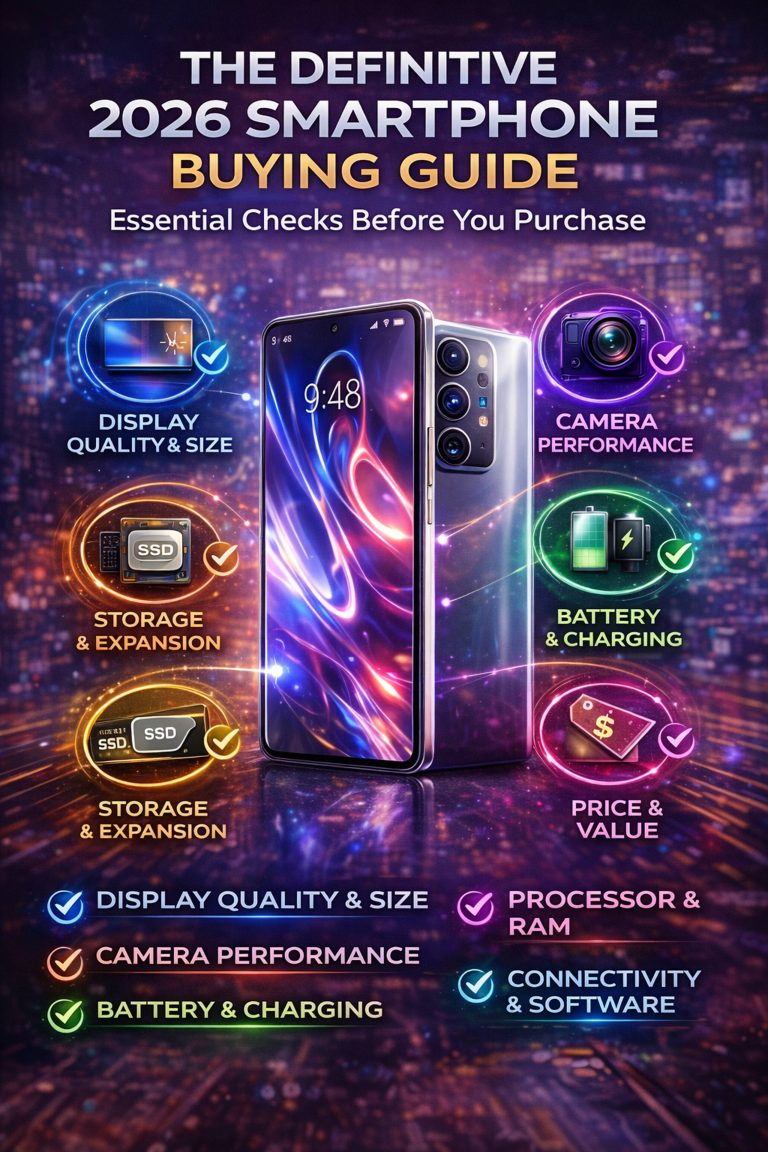
Buying a smartphone in 2026 boils down to smart picks that last. Top non-negotiables include strong performance for years, a vibrant durable screen, and solid software updates. These ensure your device stays relevant amid rapid changes.
Here are key checks before you buy:
- Review benchmark tests for chip and battery efficiency.
- Test the display in bright light and check update promises.
- Confirm camera samples match your needs, like low-light or zoom.
- Verify charger inclusion and repair scores for sustainability.
- Match ecosystem to your other gadgets.
The best phone fits your life, not hype. Weigh your budget against these traits. Head to a store, handle options, and choose what feels right. Your 2026 upgrade awaits—make it count.