
Smartphone Buying Mistakes to Avoid in 2026: Future-Proof Your Purchase

The smartphone market in 2026 moves fast. New tech like universal USB-C charging and built-in AI helpers hits stores every few months. You might feel rushed to grab the latest model before prices climb or stock runs out.
People upgrade phones every two to three years on average. Flagship devices now cost over $1,200, up from last year’s averages. This jump makes smart choices key to getting your money’s worth.
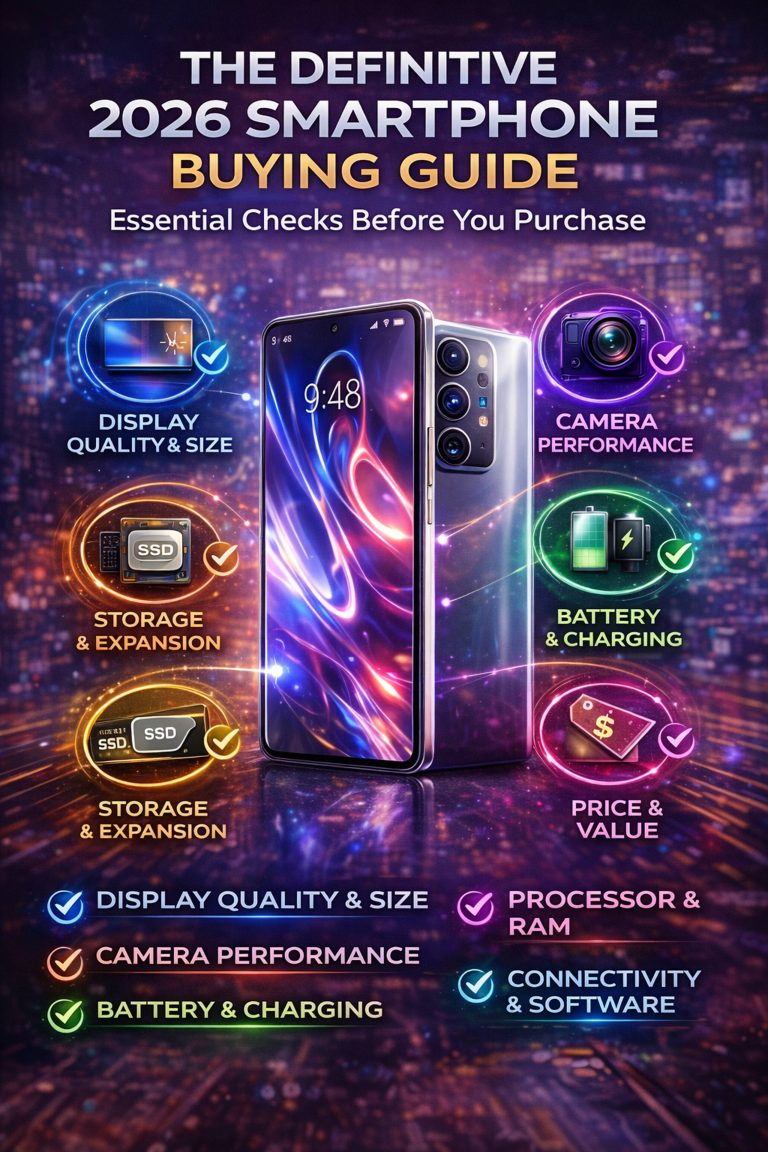
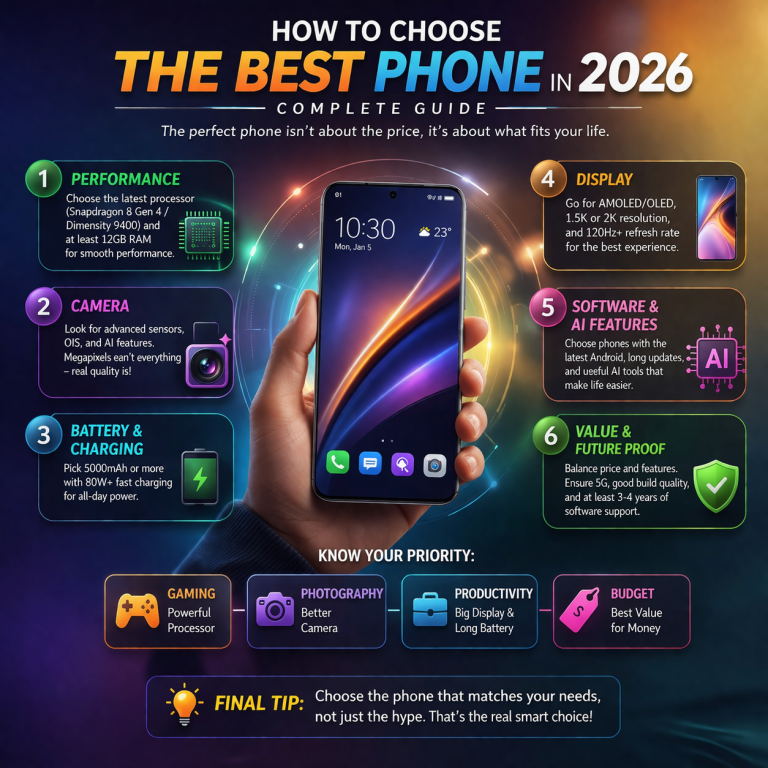
This article points out big smartphone buying mistakes to avoid in 2026. You’ll learn how to spot them and pick a phone that lasts. Follow these tips for a device that fits your life without regrets.
Overpaying for Unnecessary Specifications
You often chase specs that sound great but add little value. In 2026, ads push high numbers to wow you. Yet many features go unused in daily life.
Chasing Peak Megapixels and Sensor Size Redundancy
High megapixel counts grab attention. But computational photography does most of the work now. Phones use AI to sharpen images, so 50MP might match a 200MP sensor for everyday shots.
Most users snap photos for social media or quick memories. Extra pixels help pros, but they bloat file sizes and slow your phone. You pay $100 more for something you ignore.
Stick to sensors with good low-light performance. Look for software that boosts colors naturally. Test cameras in stores to see real differences.
- Check reviews for sample photos in dim rooms.
- Skip phones with gimmicky triple-200MP setups.
- Aim for balanced lenses over raw power.
Ignoring Processor Longevity vs. Current Benchmarks
New chips run benchmarks at lightning speed. But speed drops in real use due to heat. A year-old mid-range processor often handles apps just fine for years.
OS updates in 2026 demand more from hardware. Older chips might lag on AI tasks like voice editing. Still, they keep up for calls, browsing, and streaming.
Analyst Sarah Kline from TechInsights says, “Top silicon shines for gamers, but 80% of users get by with last-gen options.” Save cash on a solid performer. It means fewer headaches down the line.
Excessive Storage Bloat for the Average User
Manufacturers push 512GB or 1TB as must-haves. Cloud services like Google One cost just $10 a month for extra space. Fast 5G makes uploads quick, so why pay upfront?
A 256GB model runs $150 less than 1TB. Add two years of cloud storage, and you spend $240 total. That’s a steal compared to built-in bloat that sits empty.
Think about your habits. Do you hoard videos? Use external drives or delete often. Base models suit most folks in 2026.
Misjudging Display Technology and Refresh Rates
Screens evolve quick. You might pick flashy features that drain battery or cost extra. Balance matters for all-day use.
The Hidden Cost of Overly Aggressive Adaptive Refresh Rates
LTPO screens adjust from 1Hz to 144Hz smoothly. Sounds perfect, right? But they add $50 to the price and wear batteries faster with constant shifts.
A steady 120Hz panel feels smooth for scrolling. It saves power over wild swings. In tests, adaptive rates cut battery by 10% more in mixed tasks.
For battery life vs. screen tech trade-offs, match your needs. Gamers love high rates. Casual users? Stick to basics and charge less often.
Underestimating Durability Ratings (IP and Glass Standards)
Gorilla Glass 7 leads in 2026 toughness. Budget phones now match old flagships with IP68 ratings. You don’t need premium for everyday bumps.
Clumsy folks drop phones often. Water resistance saves soggy disasters. But if you baby your device, skip the splurge.
Here’s a quick checklist for your lifestyle:
- Do you hike or swim? Get IP68.
- Office worker? IP67 works.
- Desk-bound? Basic protection is enough.
Test in person. Scratch the demo screen lightly.
Ignoring Display Calibration for Content Creators
Bright screens hit 2,000 nits, but color matters more. DCI-P3 coverage and low Delta E scores ensure true hues. Pros edit photos? Bad calibration ruins work.
You might overlook this amid brightness hype. A miscalibrated display shifts skin tones wrong. It leads to redo jobs.
Calibrate in settings or use apps. Pick phones with factory-tuned panels. Your edits will look pro.
Neglecting Software Support and Ecosystem Lock-In
Software keeps phones fresh. Ignore it, and your device ages fast. Locks to brands trap you too.
Prioritizing Initial Price Over Update Commitments
Cheap phones tempt with low tags. But short support means quick obsolescence. In 2026, Google and Samsung promise seven years of updates. Others stick to four.
Long support fixes bugs and adds features. Short ones leave you vulnerable to hacks. About 40% of active phones run outdated software, per a Counterpoint report.
Buy for the long haul. Check promises before checkout.
Falling for Proprietary Accessory Traps
Some brands force unique chargers or styluses. It blocks your old gear. USB-C rules now, but extras like magnetic cases lock you in.
You end up buying new stuff yearly. Check compatibility lists. Go for open standards to mix and match.
Tip: Search “phone model USB-C longevity” online. Save on cables and docks.
Overlooking Biometric Security Standards
Old side scanners lag. 2026 under-display fingerprints scan fast and secure. Facial tech reads in dark now too.
Budget picks keep weak methods. They fail often or risk fakes. Pick 3D face ID or ultrasonic prints.
Test speed in stores. Secure access beats frustration.
The Trade-Offs in Camera Systems
Cameras sell phones. But not all setups deliver. Focus on what you shoot.
Focusing Only on the Main Sensor (Ignoring the Ultra-Wide/Telephoto Gap)
Main lenses shine in ads. Secondary ones? Budget models skimp, leading to fuzzy wide shots or blurry zooms. Quality drops fast.
Samsung’s mid-rangers in 2025 kept main sensors top-notch but cheaped out on others. You get uneven results.
Balance the array. Shoot tests for your style: vacations need wide angles.
Buying for Video Quality You Will Never Use
8K video sounds cool. It eats storage and heats phones quick. Casual clips? 4K at 60fps is plenty.
Hardware strains for pro video. You pay extra for unused power. Skip if you don’t vlog.
Stick to needs. Save for better battery instead.
The Misleading Nature of Periscope Zoom Claims
10x optical zoom impresses. But for portraits, 3x hybrid works better. Distant landscapes? Periscope shines.
Claims overstate real use. Test zooms yourself. Match to your subjects.
The Pitfalls of Carrier Subsidies and Trade-In Schemes
Deals lure you in. But read the fine print. They hide true costs.
Being Blinded by “Free” Upgrades Tied to Long Contracts
“Free” phones need 36-month plans. Locked devices lose resale value. Early exit fees hit $500.
Carrier subs cost more over time. Buy unlocked to switch networks free.
Calculate total: Plan fees often top outright buys.
Accepting Low-Ball Trade-In Offers
Brands offer $200 for your old phone. Market value? $400 easy. Use sites like Swappa for fair checks.
Loyalty bonuses sweeten pots. But don’t undervalue. Sell private for max cash.
Appraise first. Pocket the difference.
Failing to Check Carrier Bands and 6G Readiness
6G tests start in 2026 cities. Phones need right bands for future speeds. Skip this, and you’re stuck on slow nets.
Check specs for mmWave support. Even without full 6G, it preps you.
Search “phone model 6G bands” to confirm.
Conclusion: Calculating the True Cost of Ownership
Top mistakes include chasing useless specs, skimping on software support, and overhyping cameras. They lead to buyer’s remorse and wasted cash.
List your daily phone uses first. Social media only? Skip pro features. This curbs impulse buys.
As hardware races on, stay smart. Shop with eyes open in 2026. Your next phone will thank you with years of smooth service. Ready to upgrade? Start that usage list today.