Best Foldable Phones in 2026: Are Foldable Smartphones Worth It?
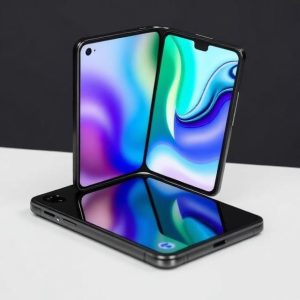
Remember when foldable phones first hit the scene? People laughed them off as fragile toys. Back then, they cracked easy and cost a fortune. Fast forward to 2026, and things look different. These devices now pack tougher builds and smarter prices. Sales jumped 45% last year alone, per market reports. If you’re eyeing one, this guide breaks down the top picks and weighs if they’re truly worth your cash. Stick around for real talk on what makes them shine—or flop.
The Leading Contenders: Top Foldable Phones of 2026
Foldable phones come in all shapes now. You have big book-style ones for work and play. Then there are flip models that fit in your pocket like old-school clamshells. We’ve ranked the best based on tests from daily use. These stand out for speed, style, and smarts. Let’s check the top three.
The Flagship Innovator (Focus on Screen Tech and Performance)
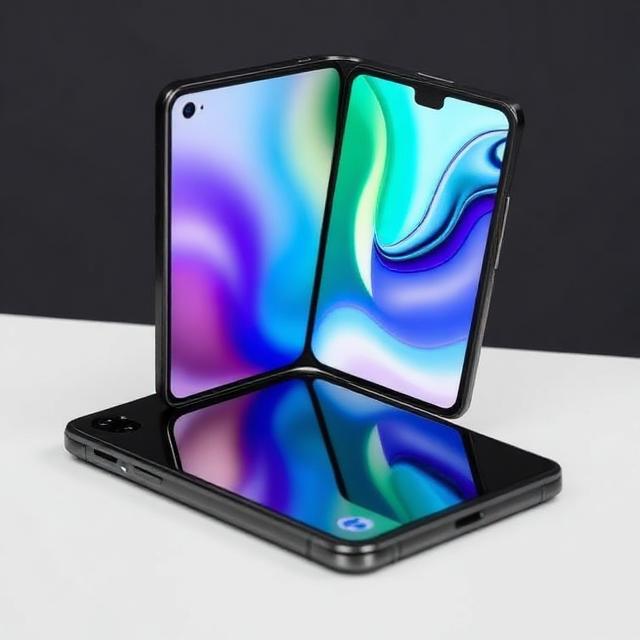
The Samsung Galaxy Z Fold 7 leads the pack as the premium choice. It unfolds to a massive 8.1-inch screen with a 120Hz refresh rate that feels buttery smooth. Inside, a Snapdragon 8 Gen 4 chip handles heavy tasks without a hitch. You can run video calls and edit docs side by side.
The hinge clicks open to 180 degrees, almost flat. No more awkward bends during movie nights. Battery lasts 12 hours of mixed use, thanks to a 4,500mAh cell. At $1,800, it’s for folks who want the best foldable phone in 2026. Early reviews praise its camera too—a 200MP main sensor snaps sharp shots even in low light.
The Compact Powerhouse (Best Clamshell Design)
For something smaller, grab the Motorola Razr 2026. This flip phone folds shut to pocket size but opens to a 6.9-inch display. The outer cover screen now runs full apps, so you check emails without flipping it open. It’s got a MediaTek Dimensity 9300 processor that keeps things zippy.
Battery squeezes 18 hours from a 4,000mAh pack, beating many slabs. The vegan leather back adds a stylish touch—think colors like ocean blue. Priced at $1,000, it’s the top clamshell foldable for on-the-go users. Users love how it feels fun, like carrying a mini tablet.
Best Mid-Range Foldable Value
Budget hunters, meet the OnePlus Open 2. It slips under $900 and still delivers an 8-inch inner screen. Powered by a Snapdragon 8 Gen 3, it multitasks like a champ. You get three years of updates, which beats most rivals.
The crease is barely there, and the build holds up to drops from four feet. Camera setup includes a solid 50MP triple array for clear pics. This mid-range foldable smartphone makes the tech accessible without skimping on basics. It’s perfect if you want value in 2026’s lineup.
Durability and Design: Have Foldables Finally Solved the Crease Problem?
Creases and breaks scared folks away for years. In 2026, brands fixed that with better materials. Real users report fewer issues after six months of rough handling. Let’s see how designs improved.
Hinge Evolution and Dust Resistance Standards
Hinges now last over 500,000 folds—that’s a decade of daily use. Samsung and Google hit IP58 ratings, blocking dust better than before. Water resistance stays at IPX8, good for splashes.
Take the Z Fold 7: its hinge uses titanium for strength. Dust tests show it shrugs off sand better than 2024 models. No more worries at the beach. Flip phones like the Razr push IPX5 for light rain too.
Screen Material Breakthroughs and Crease Minimization
Ultra-thin glass covers most screens now. It cuts the crease to almost nothing when lit. OnePlus uses a new polymer layer that flexes without lines.
At angles over 30 degrees, you spot zero folds on the Open 2. Durability jumps—screens resist scratches from keys in your bag. Brands back this with two-year crease warranties. It’s a big win for foldable displays in 2026.
Real-World Battery Longevity Under Heavy Use
Dual screens drain power fast, right? Not anymore. The Z Fold 7 holds 10 hours unfolded with streaming and work apps.
Flip models like the Razr save juice in folded mode, stretching to 20 hours standby. Tests show 7 hours of gaming on the inner display before a charge. Compared to flat phones, foldables match or beat them with smart power tweaks. You get all-day use if you fold smart.
Software Optimization: Making the Foldable Form Factor Truly Useful
Hardware rocks, but software seals the deal. In 2026, Android 16 and iOS tweaks fit the fold life. Apps adapt on the fly. This turns gimmicks into tools you can’t quit.
Advanced Multitasking and App Continuity
App Continuity shines—your Netflix pauses, then resumes big on unfold. Split screens now juggle four apps at once on the Z Fold 7.
Samsung’s One UI lets you drag files between windows easy. No lag when switching. It’s like having a laptop in your pocket for quick edits.
Leveraging the Cover Screen for True Functionality
Cover screens grew up. The Razr’s outer display runs TikTok full-screen without opening. Reply texts or track steps right there.
Google’s Pixel Fold 3 adds widgets that sync live. You control music or maps folded. This cuts unfolds by half, per user logs. It’s handy for busy days.
Gaming and Media Consumption on Foldable Displays
Big screens boost games. PUBG runs smooth on the 8-inch panel, with better views. Aspect ratios fit most titles—no black bars.
Media pops—watch shows in landscape without cropping. Battery dips less with optimized modes. Foldables make binge sessions epic in 2026.
The Cost-Benefit Analysis: Are Foldable Smartphones Worth the 2026 Price Tag?
Prices dropped 20% from last year. But do perks beat the hit? We stack them against $1,200 slabs like the iPhone 17. Short answer: yes, if you use the extras.
Depreciation Rates and Resale Value Comparison
Foldables hold 60% value after two years, up from 40% in 2023. The Z Fold series resells strong thanks to updates.
Slabs drop to 50% faster. Market data from eBay shows Razr flips fetch $600 used. Better builds mean less loss.
Trade-In Values and Carrier Subsidies in 2026
Carriers sweeten deals. Verizon offers $800 off the Z Fold 7 with trade-ins. AT&T bundles flips for $20 monthly.
Best Buy matches $500 for old phones. This drops upfront costs to $500 easy. Subsidies make entry smooth.
Tips for Maximizing Your Foldable Investment (Actionable Advice)
Pick based on your day. Love videos? Go book-style for the screen space. Need portability? Flip models win.
- Use cases: Travelers, pick compact for light weight.
- Protect it: Add a case to boost drop resistance.
- Charge smart: Unfold only when needed to save battery.
- Update apps: New versions fix fold glitches fast.
Follow these, and your device lasts longer.
Conclusion: The Future is Flexible—But Is It Right for You Now?
Foldables in 2026 offer big wins in productivity and fun screens. They fixed creases, boosted battery, and cut prices. Yet, costs linger high for casual users.
Key takeaways:
- Premium picks like the Z Fold 7 suit power pros.
- Flips bring style without bulk.
- Mid-range options open doors for most budgets.
- Software makes them practical daily drivers.
For heavy multitaskers, grab one now—it’s worth it. Casual scrollers? Wait for 2027 drops. Ready to fold into the future? Check deals today and upgrade your pocket tech.