Best Smartphones for Gaming in 2026: What Specs Matter Most

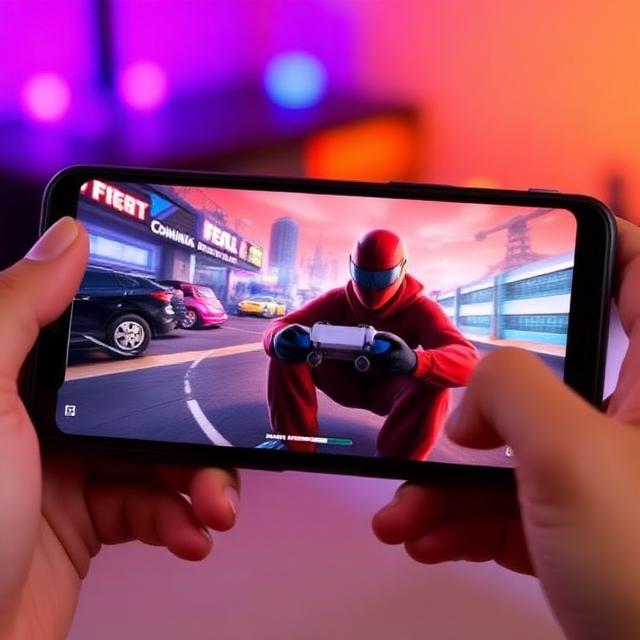
Mobile gaming has exploded. Titles like Genshin Impact and PUBG Mobile pull in millions for esports tournaments. In March 2026, with new blockbusters on the horizon, players demand phones that handle intense action without a hitch. No more lag or dropped frames for serious gamers.
You need hardware that lasts through long sessions. This guide cuts through the buzz. We focus on key specs like chips, screens, and cooling that make or break your wins.
The Engine Room – Processing Power and Memory Benchmarks
Gaming phones live or die by their brains. The right chip and memory keep games smooth at high settings. Let’s break down what powers top picks in 2026.
Next-Generation Chipsets (SoC Analysis)
Flagship phones now rock 2nm chips from makers like Qualcomm and Apple. These beat last year’s 3nm models by 30% in GPU power. You get steady 120 FPS in heavy games without slowdowns.
Think of it as a race car engine. Older chips overheat after 20 minutes. New ones push graphics hard for hours. Brands like Samsung’s latest Snapdragon deliver real gains in ray tracing for lifelike shadows.
Expect phones with AI boosts too. They optimize game loads on the fly. This means less wait time and more play.
RAM Speed vs. Capacity: The Sweet Spot for Mobile Multitasking
LPDDR6 RAM hits speeds over 10,000 MB/s in 2026 models. It juggles games, chats, and streams without a stutter. Go for at least 16GB to run big worlds like in Fortnite.
But 24GB shines if you record sessions or switch apps fast. It’s like having extra lanes on a highway. Traffic flows better during raids or battles.
Why not more? Diminishing returns kick in. Stick to 16GB for most. It saves battery and keeps costs down.
- Baseline pick: 16GB for solo play.
- Pro tip: Check for expandable RAM in software. Some phones borrow storage as extra memory.
Storage Speed: Cutting Load Times to Zero
UFS 5.0 storage reads data at 4,200 MB/s. Maps load in seconds, not minutes. No more staring at screens while enemies strike.
This tech streams textures smoothly in open-world games. Lag spikes drop by half compared to UFS 4.0. Your phone feels alive.
Pair it with 512GB minimum. Games eat space fast. Quick installs mean you’re back in action pronto.
Display Technology: Visual Fidelity Meets Latency
Your screen is your window to victory. It needs to show crisp action and respond quick. In 2026, top gaming phones nail this balance.
Refresh Rate Supremacy: Targeting 165Hz and Beyond
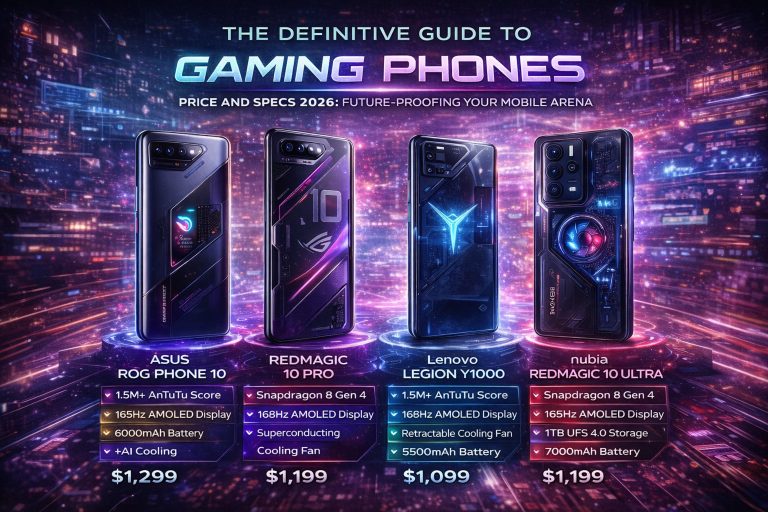
165Hz screens make movements buttery smooth. Competitive shooters like Call of Duty Mobile reward this edge. You spot foes faster than on 120Hz panels.
Adaptive rates save juice. Lock at 165Hz for esports. Drop to 60Hz for story modes to stretch battery life.
Ever miss a shot due to blur? High refresh fixes that. It’s a must for ranked matches.
Panel Quality: LTPO, Brightness, and Color Accuracy
LTPO tech adjusts refresh on the fly. It keeps power low while hitting 165Hz peaks. Outdoor play needs 2,000 nits brightness to beat glare.
Colors pop with Delta E under 1. HDR games shine bright without washing out. You feel every explosion.
Graphene layers cut power use by 20%. Play longer under the sun. No squinting at dark scenes.
Touch Sampling Rate: The Sub-Millisecond Advantage
240Hz touch sampling registers swipes in 4ms. That’s quicker than your blink. Reaction games thrive here—think dodging in battle royales.
Refresh rate gets hype, but touch latency wins fights. Low numbers mean your inputs hit instantly. Opponents can’t keep up.
Test it in demos. Slide and tap; feel the speed. It’s the edge in clutch moments.
Thermal Management: The Unsung Hero of Sustained Performance
Heat kills fun. Phones throttle when hot, dropping frames. Smart cooling keeps your rig cool under fire.
Vapor Chamber vs. Graphite Layering Innovations
Vapor chambers spread heat like a pro. In 2026, multi-layer versions from Asus ROG cool 15% better than graphite sheets. They handle GPU loads without dips.
Graphite works for light use. But chambers shine in marathons. Your phone stays at full speed for two hours straight.
Brands stack them with copper pipes. Heat flees fast. No sweaty palms or warnings.
External Cooling Integration and Accessory Ecosystems
Clip-on fans attach via magnets. They blow cool air during streams. Add 30 minutes of peak play without built-in limits.
Look for USB-C ports on top. Easy setup, no fuss. Ecosystems from Razer include stands too.
Why bother? Internal cooling hits walls. Extras push limits for tournaments.
- Quick wins: Use during hot days.
- Downside: They add bulk. Pick slim ones for travel.
Software Throttling Mitigation Strategies
Game modes tweak clocks smartly. They balance power and heat. No sudden drops mid-fight.
Firms like Xiaomi use AI to predict loads. It preps cooling before stress hits. Steady 60 FPS all session.
Update firmware often. Patches fix hot spots. Your phone runs cooler over time.
Control and Ergonomics: Bridging the Gap to Console Controllers
Touch alone won’t cut it. Gaming phones add buttons and feel. They turn your pocket device into a handheld beast.
Shoulder Triggers: Mechanical vs. Ultrasonic Inputs
Magnetic triggers click with 0.1mm travel. Ultrasonic ones sense pressure without moving parts. Both map to actions like aim or jump.
Mechanical feels snappier for FPS. Ultrasonic lasts longer—no wear. Software lets you remap on the fly.
Ever fumble on screen? Triggers fix that. Precision jumps in games like Apex Legends Mobile.
Haptics and Audio Feedback
Linear motors buzz just right for shots or steps. You sense the world without looking. Spatial audio pins sounds from all sides.
Dolby Atmos codecs make footsteps clear. Hear the enemy sneak up. It’s like having ears everywhere.
Tune it in settings. Strong vibes boost immersion. Weak ones distract.
Grip, Weight Distribution, and Port Placement
Curved backs prevent slips. Weight centers low for balance. Play horizontal without fatigue.
Ports on the side charge while gripping. No awkward pauses. Aim for under 200g to avoid cramps.
Test in store. Hold for 10 minutes. Comfort wins long games.
- Tip 1: Rubber sides for sweat.
- Tip 2: Angled edges for thumbs.
Battery Life and Charging Architecture
Games drain fast. You need juice that lasts and recharges quick. Top phones deliver both.
Capacity vs. Efficiency: Real-World Gaming Endurance
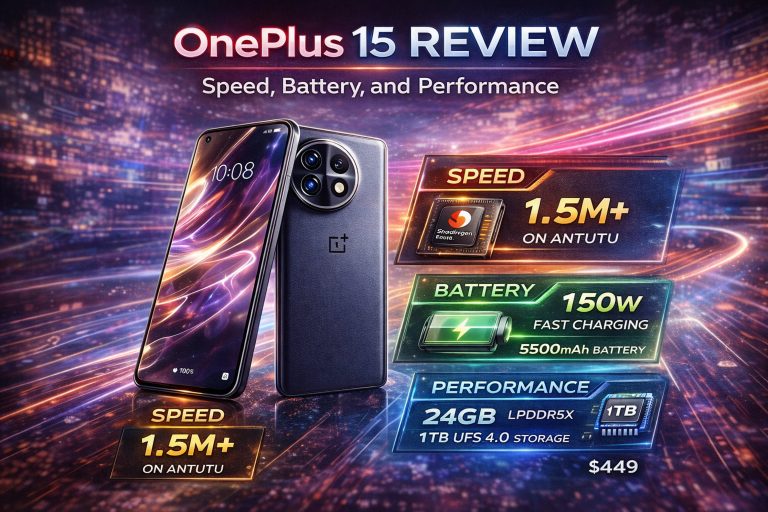
5,500mAh packs with efficient chips give 6 hours of play. That’s full matches in PUBG. New displays sip less too.
Test loops show variance. Demanding titles hit 4 hours. Lighter ones stretch to 8.
Efficiency matters more than size. Pick phones with smart power management.
Ultra-Fast Charging Standards (150W+ Capabilities)
150W wires fill from 0% to 100% in 15 minutes. Safe with heat shields. You’re game-ready after a snack break.
Wireless hits 80W now. Pads charge without cords. Handy for couch sessions.
Don’t fear speed. Modern tech protects batteries. Full life stays strong.
Bypass Charging Technology
Bypass powers direct from wall. Battery skips the cycle, staying cool. Plug in for all-night grinds.
Heat drops 40% this way. No throttling from warm cells. Essential for wired play.
Enable in game mode. It kicks in auto. Play worry-free.
Conclusion: Defining the 2026 Champion
Cooling, touch speed, and chip stamina top the list. They ensure steady wins. Ignore hype; chase these for real power.
The best gaming phone minimizes drops. It delivers stable fun every time. What are you waiting for? Grab one and level up your game today. Check reviews for the latest models and dive in. Your next victory awaits.