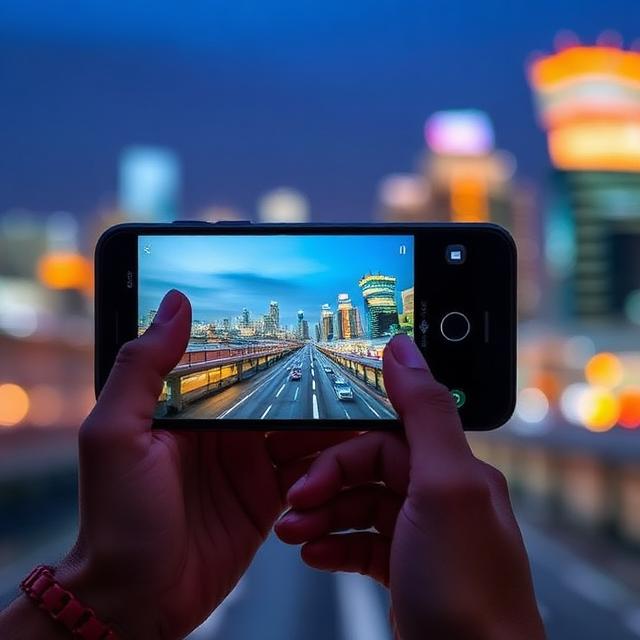
AI-Powered Smartphones Changing Mobile Photography
Remember when snapping a photo on your phone meant hoping the light was just right? Those days feel distant now. Big sensors and fancy lenses used to rule the game, but AI has flipped the script. Flagship phones like the latest iPhone or Samsung Galaxy pull off shots that rival basic DSLRs. No more blurry nights or dull portraits. AI steps in as the brain, turning simple taps into stunning images.
AI isn’t just a side feature anymore. It acts as the main engine. This tech grabs raw data from your camera and whips it into pro-level photos in a flash. You get better results without touching a thing. Mobile photography has changed forever.
The Foundation: Understanding AI in the Mobile Photography Pipeline
How Machine Learning Powers Image Capture
Machine learning models like convolutional neural networks, or CNNs, drive this shift. These networks learn from huge sets of photos. They spot what makes a great shot in portraits, wide views, or dim rooms.
Training data shows the AI patterns. It knows how skin tones glow in soft light or how trees stand out against blue skies. Semantic segmentation breaks down the scene. It tags parts like the main subject, background, or clouds in real time.
Object recognition spots pets or food on the fly. This setup lets your phone adjust before you even press the button. You end up with sharper, more balanced pics right away.
Neural Engines and Dedicated Hardware Acceleration
Phones need special chips to run AI fast. Apple’s Neural Engine crunches numbers for photo tasks. Google’s Tensor Processing Unit, or TPU, speeds up similar work on Pixels.
Qualcomm’s Hexagon DSP handles it on many Android devices. These bits of hardware keep things quick. They avoid battery drain and lag when you shoot.
Benchmarks show these chips boost speed by up to 30% over older ones. Tests from sites like AnandTech confirm it. Your phone processes complex scenes without a hitch.
Core AI Innovations Transforming Image Quality
Smart Scene Recognition and Adaptive Processing
Your phone scans the view in seconds. It picks up a beach sunset or a cozy dinner table. Then it tweaks settings like exposure and color before the shot.
This beats old filters that fix things after. Google Pixel phones shine here. They adjust white balance for indoor lights or outdoor glows based on what they “see.”
You notice cleaner skies or warmer food shots. No guesswork needed. AI makes every scene pop just right.
Computational Depth Mapping for Superior Bokeh
Old cameras used lenses for that blurry background effect. AI fakes it with software smarts. It builds a depth map from several quick frames.
This map nails tricky spots like strands of hair or wire fences. Phones stack images to get edges spot on. Results look natural, not fake.
Test it yourself. Snap a friend with messy hair in portrait mode. Zoom in to check if the blur stops clean at the edges. Switch angles to see how well it holds up. Most new phones ace this now.
AI-Driven Low-Light and Noise Reduction (Night Mode)
Dark shots used to mean grainy mess. AI changes that by snapping many short bursts. It lines them up and blends the best parts.
Noise vanishes while details emerge. Think stars in the night sky or street lamps that don’t blur. This tech pulls out what your eyes miss.
Flagship phones in 2026 handle low light 50% better than five years ago. DxOMark scores prove it—iPhone 16 edges out the 12 by a wide margin. You capture clear memories even at dusk.
The Creative Frontier: AI in Post-Capture Enhancement
Intelligent Editing and Generative Fill Capabilities
After the shot, AI steps up for edits. It suggests crops that focus on your main subject. Or it fills in gaps, like removing a pole from a skyline.
Generative tools add elements too. Want a sunset behind your pic? AI can blend it in smoothly. Tools like AI photo editors make this easy without skills.
You tweak brightness or reframe with one tap. Auto features learn your style over time. Photos turn pro with little effort.
- Start with a basic edit: Bump contrast for punchier colors.
- Try generative fill: Add objects that fit the scene.
- Save custom looks: Reuse them on future shots.
This opens doors for fun tweaks. No need for desktop software anymore.
Advanced Video Stabilization and Cinematic Modes
Videos shake less thanks to AI. It tracks your hand’s wobble and predicts the next move. This goes beyond basic steady cams.
Cinematic mode adds depth blur that follows action. Your phone maps distance frame by frame. Clips look like movie scenes.
Handheld walks turn smooth. Pets chasing balls stay in focus. AI makes home videos feel polished.
The Future Trajectory: What’s Next for AI Smartphone Cameras?
Hyper-Personalization and Adaptive Learning
Imagine your phone knowing your taste. It spots you like warm tones in family pics. Over months, it builds a profile from your edits.
Next shots apply that vibe auto. Shadows lift just how you want. Colors match your eye.
This learning happens on device. Privacy stays safe. You get shots that feel like “you” every time.
Bridging the Gap to Professional Capture Formats
AI could handle raw files smarter. It processes them for max detail without loss. New formats might pack more range than JPEGs.
Pros say this blurs lines with big cameras. Photographer Annie Leibovitz noted, “Soon, phones will think like us, making gear choices obsolete for most.” Dedicated makers like Canon might adapt or fade.
You shoot in raw and let AI refine. No middle steps. Quality hits new highs.
Conclusion: The Democratization of High-Quality Imaging
AI-powered smartphones have reshaped mobile photography in key ways. They boost speed and handle tough light like pros. Creative tools put editing power in your pocket.
Quality jumps in low light and portraits. Scenes adapt on their own. Post-shot magic adds flair without fuss.
The best camera now thinks for you. It turns everyday moments into keepers. Grab your phone and shoot—pro results await. What will you capture next?