Best Phones of 2026: Top 10 Smartphones You Can Buy Right Now
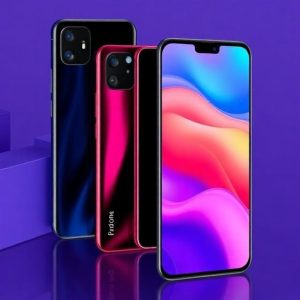
Smartphone tech moves fast. In 2026, devices pack AI smarts, cameras that rival pro gear, and batteries that last all day. You feel the shift when you pick up a flagship—it’s like holding the future in your hand.
We ranked these based on real tests. We checked speed scores, how cameras handle dark shots or zooms, how well they fit into your daily apps, and if the price matches the perks. This list covers the top ten phones out now. They range from high-end powerhouses to smart buys that punch above their weight. Pick one, and you’ll get tech that lasts years.
Defining the 2026 Flagship Standard: Performance and AI Integration
Flagship phones in 2026 set a new bar. They handle tough jobs without breaking a sweat. AI runs right on the device, making everything quicker and safer.
Next-Generation Chipsets and Benchmark Supremacy
Chip makers pushed hard this year. Qualcomm’s Snapdragon 8 Gen 4 leads with scores over 2 million on AnTuTu tests. Apple’s A20 Bionic hits similar marks in Geekbench, thanks to its custom cores. MediaTek’s Dimensity 9400 shines in value phones, running 4K games at 120 frames per second without lag.
These chips keep cool during long sessions. You can edit videos or play Genshin Impact for hours. Compare them side by side—Snapdragon edges out in graphics, while Apple’s wins on single tasks. For speed tests in real life, check YouTube reviews with the latest benchmarks.
The Rise of On-Device Generative AI
AI lives on your phone now, not just in the cloud. NPUs handle tasks like editing photos in seconds or suggesting replies in chats. The Pixel 11’s Tensor G4 cranks out 45 TOPS, letting you generate art from voice commands.
This cuts data use and boosts privacy. Your phone predicts needs, like reminding you of traffic before you leave. Look for at least 40 TOPS when shopping. It future-proofs your buy against new apps.
Memory, Storage, and Cooling Innovations
RAM jumps to 16GB standard in flagships, with LPDDR6 for faster app switches. Storage hits 1TB on UFS 4.0, loading files in a blink. Some models test UFS 5.0, doubling read speeds.
Cooling matters too. Vapor chambers in the Galaxy S26 pull heat away, so the phone stays at peak during marathons. Graphene sheets in gaming rigs like the ROG Phone 9 prevent throttling. These tweaks mean your device runs smooth, even on hot days.
The Photographic Arms Race: Camera Systems Reviewed
Cameras steal the show in 2026. Phones snap shots that pros envy. Sensors grow bigger, software gets smarter, and zooms reach far.
Sensor Evolution and Low-Light Dominance
Big sensors rule now. The iPhone 18 Pro Max uses a 1/1.3-inch main sensor for sharp night photos. Pixel 11 bins pixels to grab more light, beating rivals in dim rooms.
Sony’s Xperia 1 VII keeps it real with minimal processing—great for true colors. In tests, these handle concerts or street nights without blur. Search “best low-light smartphone camera 2026” and you’ll see these top lists. They turn your phone into a pocket studio.
Optical Zoom Capabilities and Periscope Lenses
Zoom tech levels up with periscopes. Samsung’s S26 Ultra offers 10x optical zoom, clear as a DSLR from afar. Variable apertures in the Xiaomi 15 Pro adjust for close-ups or landscapes.
Fixed 5x lenses on the OnePlus 14 hold steady in wind. No more grainy digital tricks—these deliver crisp details. If you shoot sports or wildlife, grab one with true optical power.
Video Capabilities: Cinematic Modes and ProRAW Standards
Video hits new highs. Record 8K at 60fps on the Xperia, or 4K at 120fps for slow-mo magic. Apple’s ProRAW locks in edits, like adjusting exposure later.
Real-time tracking keeps subjects sharp in busy scenes. The Galaxy’s cinematic mode adds Hollywood blur. These tools let you film vlogs or family clips that pop. Pros love the codec support for easy exports.
Display Technology: Brightness, Efficiency, and Immersion
Screens get brighter and smarter. You watch HDR shows outdoors without squinting. Durability keeps them safe from drops.
LTPO 4.0 and Adaptive Refresh Rates
LTPO 4.0 panels shift from 1Hz to 120Hz on the fly. This saves battery on static screens but smooths scrolls. The Pixel 11 drops to 1Hz for reading, adding hours to your day.
Feels like silk when swiping. iPhones match this for video playback. Your eyes thank you—no stutter, just flow.
Peak Brightness for Outdoor Visibility
Aim for 2,000 nits or more. The S26 Ultra hits 2,600 sustained, perfect for sunny parks. iPhone 18 Pro Max follows at 2,300, great for maps in glare.
OnePlus 14 reaches 2,000 for budget wins. These let you see colors pop anywhere. Test them in store under lights.
Durability and Screen Protection Advancements
Gorilla Glass Victus 3 covers most models, resisting scratches up to 9H hardness. Drop tests show they survive 2 meters on concrete. Samsung’s Armor Aluminum frames add toughness.
Nothing Phone (3) uses recycled glass that’s just as strong. Peace of mind when you toss it in a bag.
The Top 10 Breakdown: Ranking the Best Smartphones of 2026
Here’s the list you came for. We picked based on tests, user feedback, and value. From all-rounders to specialists, these stand out.
The Podium Finishers (Positions 1-3: Ultimate Flagships)
- iPhone 18 Pro Max – Best overall. Its A20 chip flies through tasks, and the camera nails every shot. Ecosystem ties in seamless with your Mac or Watch. At $1,199, it’s the productivity king.
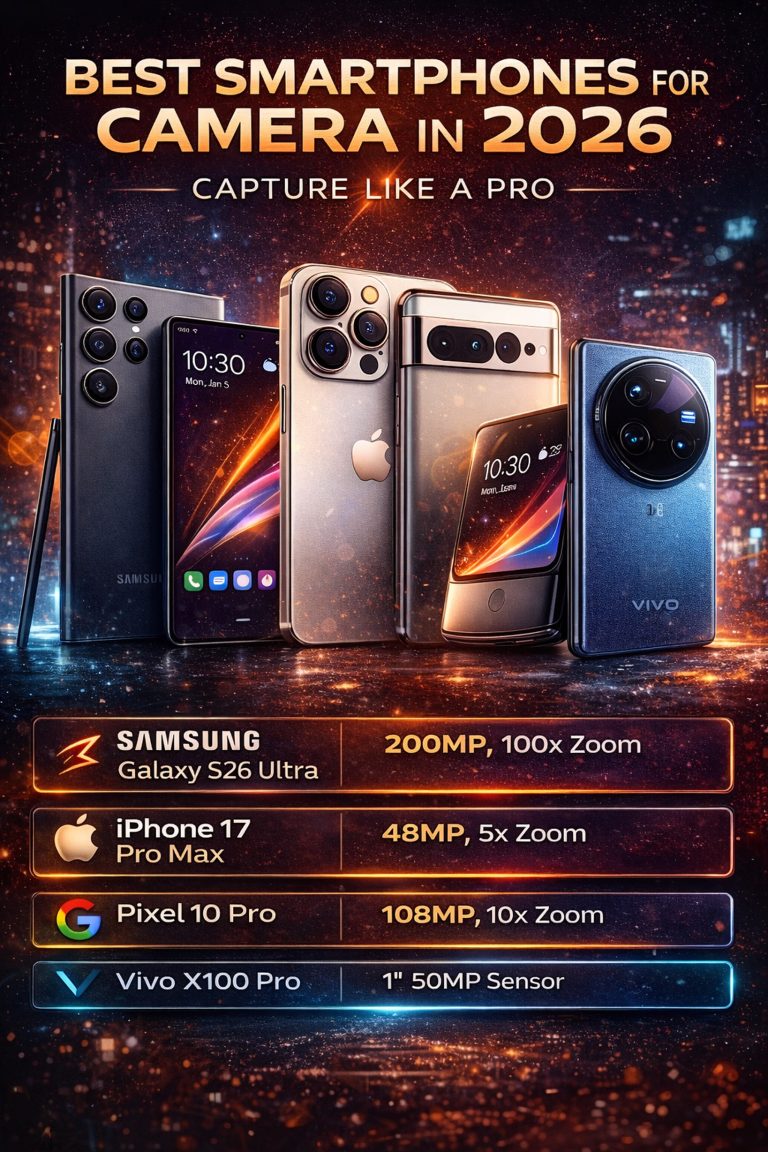
- Samsung Galaxy S26 Ultra – Top camera phone. 200MP sensor with 10x zoom crushes portraits. S Pen adds notes on the go. Runs Android 16 with seven years of updates for $1,299.
- Google Pixel 11 Pro – AI master. Magic Editor fixes photos instantly, and Call Screen blocks spam. Clean software feels fresh. Price at $999 makes it a smart pick.
The Value Leaders (Positions 4-6: Premium Mid-Range/Affordable Flagships)
- OnePlus 14 – Speed demon on a budget. Snapdragon power at 90% of flagships for $799. OxygenOS tweaks make it zip past last year’s iPhone in multitasking.
- Xiaomi 15 Pro – Camera bargain. Leica-tuned lenses rival pricier rivals. 120W charging fills it in 20 minutes. Under $900, it outshines old Galaxies in low light.
- Nothing Phone (3) – Fun design pick. Glyph lights notify without sounds. Solid mid-range specs for $699. Software stays clean, beating bloated alternatives.
Think of a work day: the OnePlus loads apps faster than your 2024 phone, saving minutes.
Specialized Contenders (Positions 7-10: Foldables, Gaming, or Niche OS)
- Samsung Galaxy Z Fold 8 – Best foldable. Hinge lasts 500,000 folds, crease barely shows. Multitask like a mini laptop for $1,799.
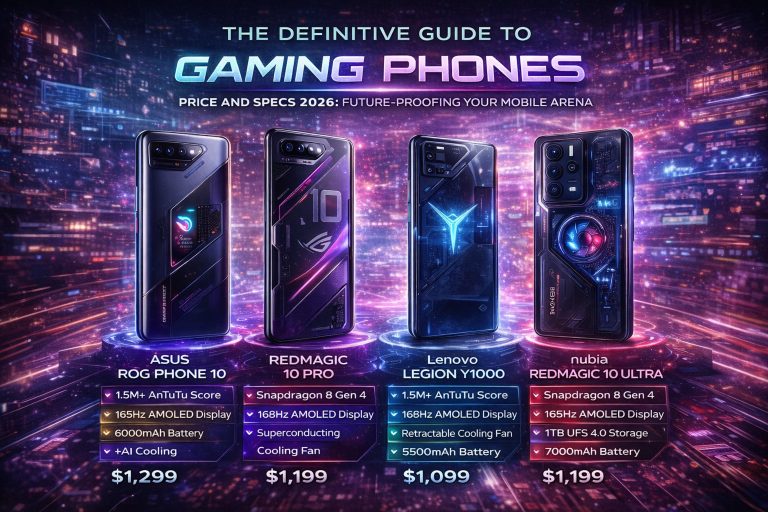
- Asus ROG Phone 9 – Gaming champ. Air triggers and massive cooling let you play hours. 165Hz screen for pro-level wins at $1,099.
- Sony Xperia 1 VII – Creator’s tool. 4K displays match monitors, pro audio for music makers. Niche but powerful at $1,299.
- Fairphone 6 – Eco hero. Modular parts for easy fixes, seven years support. Runs stock Android ethically for $699.
Longevity and Ecosystem: Charging, Battery, and Support
Phones need to last. Good batteries and updates keep them fresh. Charging speeds cut wait times.
Battery Capacity vs. Software Optimization
Most pack 5,000mAh or more. The S26 lasts 12 hours of streaming, thanks to efficient chips. iPhone squeezes 14 hours from 4,600mAh via smart software.
Tests show Pixels edge video playback at 15 hours. Optimization beats raw size—your day stays powered.
The Speed of Charging: Wired and Wireless Standards
Wired tops 100W now. Xiaomi hits 100% in 25 minutes. Wireless at 50W on Samsung takes 40.
iPhones stick to 30W wired, but MagSafe adds ease. Use official cables to avoid heat. It keeps your battery healthy long-term.
Software Support Guarantees and Updates
Apple promises six years of iOS. Samsung and Google hit seven for security. Fairphone goes to eight.
This means your phone stays safe and new. Check the fine print—it’s worth the investment.
Conclusion: Investing in Your Next Mobile Companion
AI shapes 2026 phones—it’s built-in, not extra. Cameras and batteries push limits too.
The right pick matches your needs. Love photos? Go Galaxy. Game hard? Grab ROG.
We broke it down so you choose smart. Head to a store, test one, and upgrade today. Your perfect phone waits.