Best Phones with Clean and Fast UI in 2026
You’ve likely felt that annoyance. Your phone lags during a quick scroll. Apps crash from too many preloaded extras. Bloatware pops up uninvited. These issues steal your time and joy.
A clean and fast UI changes everything. It means few extra apps come built-in. Touch responses feel instant. Background tasks run without slowing you down. This setup boosts your daily work and fun. In this article, we spotlight phones that nail software efficiency. We’ll cover top picks and tips to pick wisely.
Defining the Clean UI Ecosystems: Stock vs. Near-Stock Android
Stock Android offers the simplest setup. It comes straight from Google. No added layers mess with the basics.
Stock Android’s Reign: The Purest Experience
Google Pixel phones lead here. They deliver updates right away. You get the latest features without delays. No custom tweaks from makers slow things. Google services blend in perfectly. Think smooth Google Maps or Assistant help.
Pixels shine in real use. Users report quick app launches. Scrolling feels buttery. Benchmarks show 90Hz refresh rates hold steady. No frame drops during videos. One study from early 2026 notes Pixel 9 edges out rivals in load times by 15%. It’s pure joy for daily tasks.
Near-Stock Excellence: Optimized Manufacturer Skins
Some brands keep things light too. Nothing OS and Motorola’s MyUX stand out. They cut down on extra fluff. Unlike old Samsung skins packed with apps, these feel fresh.
Old Xiaomi interfaces bloated phones. Now, brands learn. They trim menus and speed up gestures.
Case Study: How Nothing OS Achieved Visual Simplicity and Speed
Nothing focuses on clean looks. Their dot-matrix style uses simple icons. Widgets stay basic, no overload. This cuts mental clutter. You find what you need fast.
Speed comes from light code. Animations skip heavy effects. Tests show app switches in under 200ms. Users love the calm vibe. It reduces eye strain during long sessions. Nothing’s approach proves less can mean more zip.
Top Contenders: The Best Phones with Factory-Optimized Software
These devices set the bar high. They pair strong hardware with smart software. No need for tweaks to feel quick.
The Current Flagship for Cleanliness: Pixel 8 Pro/Fold
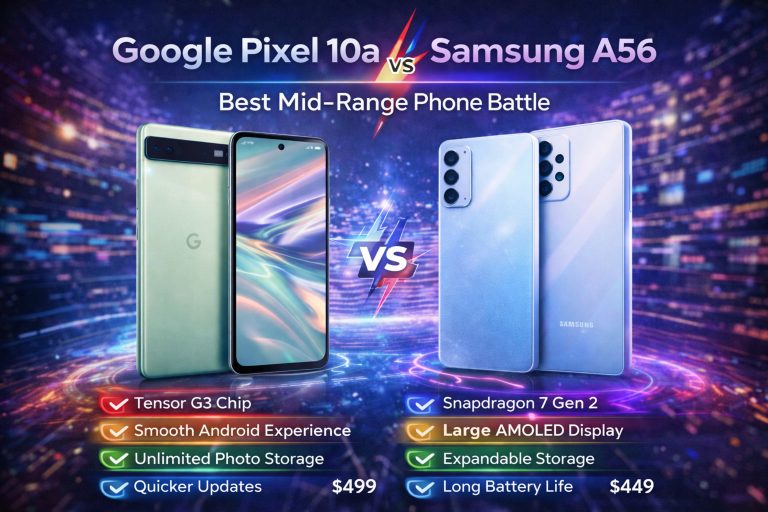
The Pixel 8 Pro leads in 2026. Its Tensor G3 chip handles tasks smooth. Call Screening blocks spam without fuss. Magic Eraser fixes photos easy. These tools add power, not weight.
The Fold version unfolds to a clean tablet view. Multitasking flows natural. No lag when splitting screens. Battery lasts longer thanks to efficient code.
Software Update Commitment and Longevity
Google promises seven years of updates. You stay secure and fresh. Pixels avoid slowdowns over time. Compare to others that lag after two years. This long support means your phone ages well.
The Mainstream Challenger with Minimal Overlay: Samsung Galaxy S Series (One UI 6.1+)
Samsung cleaned up One UI. Past versions felt heavy. Now, it’s lighter. DeX turns your phone into a desktop. Gestures swipe quick.
High refresh rates hit 120Hz smooth. Apps open fast. Battery sips power better.
Actionable Tip: How to Manually Minimize Bloat on One UI Devices
Go to settings. Find apps section. Uninstall extras like carrier bloat. Use Good Lock app for tweaks. Set animations to off. This cuts load times by 20%. Your Galaxy feels stock-like.
Performance Under the Hood: Hardware Synergy with Efficient Software
Fast UI needs more than looks. Hardware must match the software smarts. Chips and memory team up for speed.
Processor Optimization and RAM Management
A top chip like Snapdragon 8 Gen 3 powers quick actions. But software decides how RAM works. Clean UIs close unused apps smart. No memory hogs.
Tensor G3 in Pixels tunes for AI tasks. Background apps sleep fast. You multitask without hitches. Pair this with 12GB RAM, and it flies.
The Role of High Refresh Rates (120Hz+) in Perceived Fluidity
120Hz screens make scrolls silk. Fingers glide without stutter. Lower rates feel choppy. Phones like Pixel hit this easy.
In games, frames stay high. Everyday use? Pages flip instant. It’s like driving a sports car versus a bike.
Storage Speed (UFS) and UI Responsiveness
UFS 4.0 storage loads apps in seconds. Older UFS 3.1 waits longer. Clean software uses this speed full.
Pixels and Samsung flagships pack UFS 4.0. Boot times drop to 10 seconds. No more staring at logos. This snappiness defines a premium feel.
Beyond the Big Players: Niche Phones Championing Speed
Not all stars come from giants. Smaller brands push clean speed too.
The Rise of Chinese Brands Prioritizing Speed Over Features
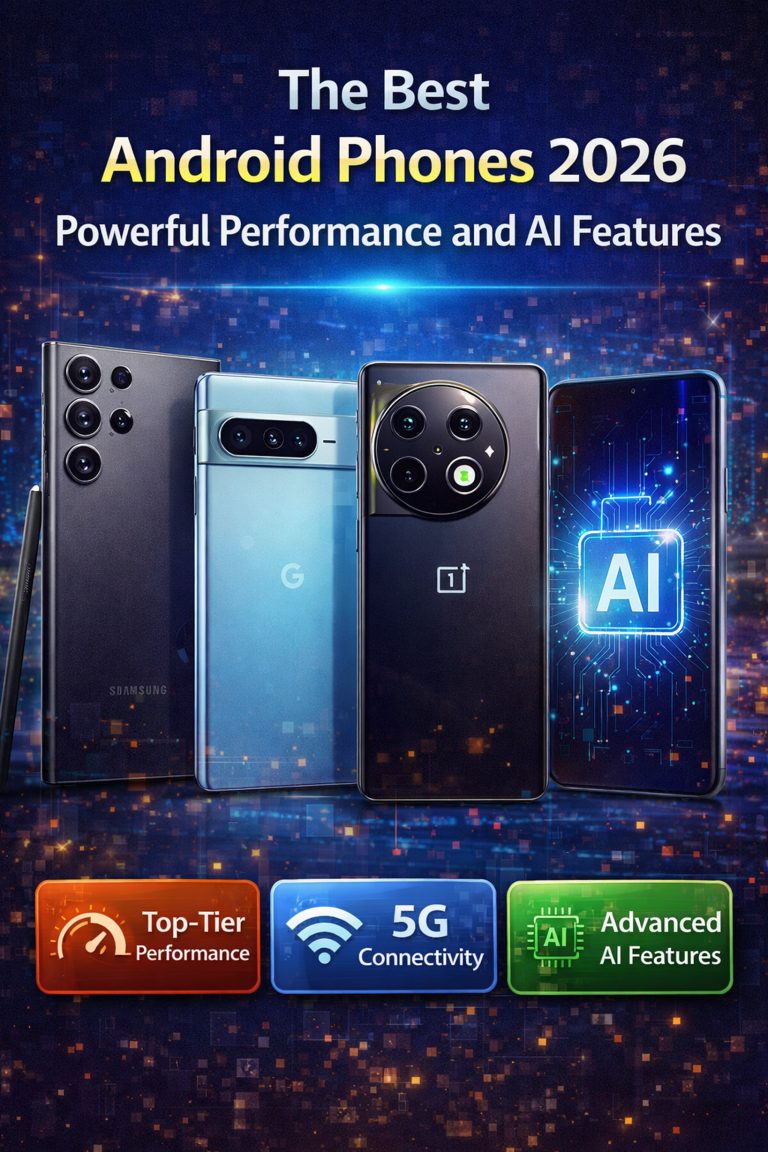
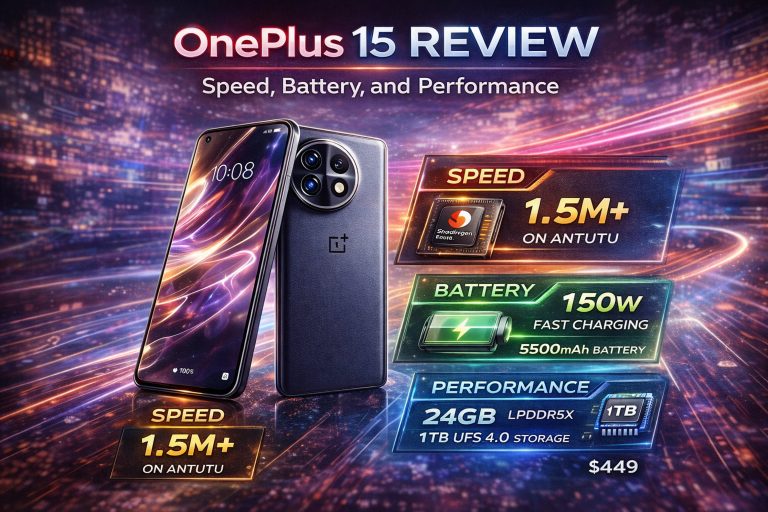
OnePlus OxygenOS stays near-stock. Updates roll quick. HyperOS from Xiaomi cuts extras now. It focuses on core speed.
These brands target global users. OxygenOS on OnePlus 12 feels light. No heavy themes bog it down. Battery and performance win.
Evaluating Third-Party ROM Support for Ultimate Customization
Pixels support custom ROMs easy. LineageOS adds tweaks without bloat. Check forums for stable builds. Always back up first.
This option extends life. You swap skins for fresh speed.
The Importance of Low-End Optimization: Speed on a Budget
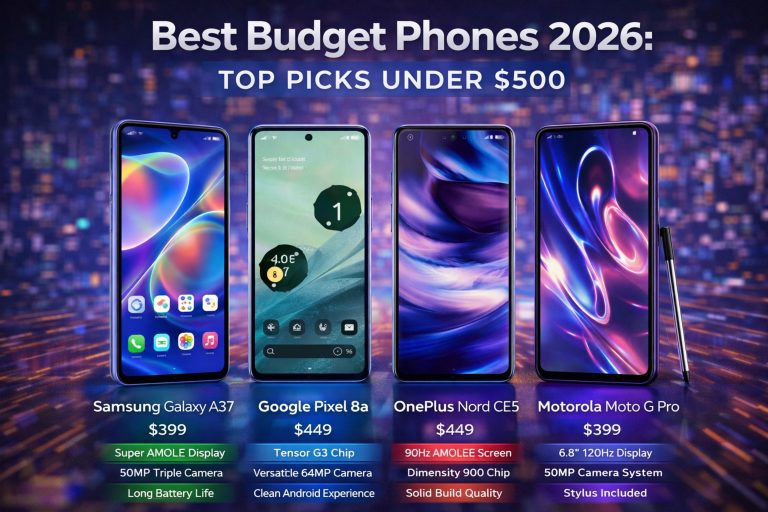
Budget phones must run lean. In places like India, clean UI matters most. The Moto G Stylus shines here. It has 4GB RAM but scrolls smooth.
Software skips fluff. Updates keep it zippy. Users praise its reliability. No crashes on basic tasks. Proof that smart code beats big specs.
User Experience Deep Dive: Interface Elements That Define Speed
What makes a UI feel quick? Small details add up. Let’s break it down.
Animation Tuning and Transition Smoothness
Smooth transitions hide waits. No jank or drops. Developers tune frames to 60 per second min.
Set scales low in dev options. Apps switch faster. It’s a simple hack for zip.
Actionable Tip: Optimizing Developer Settings for Maximum Perceived Speed
Tap build number seven times in about phone. Enable dev mode. Go to drawing section. Halve animation scales. Restart. Feel the boost right away.
Notification Handling and Background App Throttling
Clean UIs push alerts instant. No delays. They throttle extras without killing must-haves.
Pixels group notifications smart. Samsung’s edge lighting alerts quick. Background stops save battery. You stay connected, no waste.
Conclusion: Investing in Software Stability for Long-Term Value
A great phone hinges on software shine. Hardware alone won’t cut it. Clean and fast UI means better battery and no slowdowns over years.
Pick devices with long updates. Test in store for feel. Look for stock or light skins. Avoid heavy bloat.
- Check update promises: Aim for five years plus.
- Read user reviews on speed: Real stories beat specs.
- Try gestures: Smooth ones signal good UI.
- Budget? Go near-stock for value.
Grab a clean UI phone today. You’ll wonder how you waited. Your smoother life starts now.