Best Smartphones for Battery Life in 2026: Unmatched Endurance for Power Users
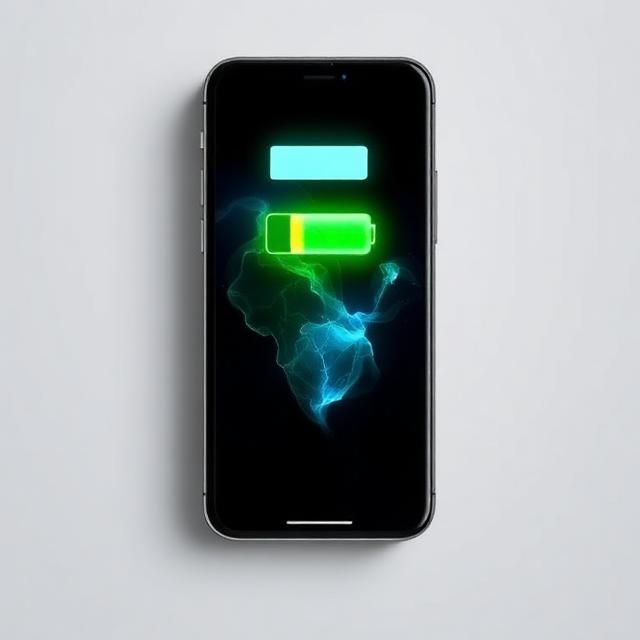
Remember that sinking feeling when your phone dies right in the middle of a busy day? It happens to everyone—rushing from meetings to errands, only to watch the battery icon plummet. In 2026, battery anxiety doesn’t have to rule your life. This guide spotlights the best smartphones for battery life that truly last all day, even under heavy use like streaming videos or gaming on 5G. We dive into the top picks that push past 12 hours of screen time without a recharge. Our picks come from real tests on efficiency, not just big battery claims. We looked at how these phones handle demanding apps, bright screens, and constant connectivity to find winners for power users.
Decoding Battery Performance: Metrics That Truly Matter in 2026
Battery life isn’t just about the numbers companies advertise. You need to know what really counts in 2026’s fast world of high-speed networks and power-hungry features. We break it down with clear metrics from lab tests and user reports. This helps you pick a phone that matches your daily grind, whether it’s work calls or weekend hikes.
Beyond mAh: Real-World Screen-On Time (SOT) Benchmarks
mAh ratings sound impressive, but they don’t tell the full story. A phone with a 5,000 mAh battery might last less than one with 4,500 mAh if the software wastes power. Screen-on time, or SOT, measures how long the display stays active during mixed use—like browsing, calls, and video. In 2026 tests from sites like GSMArena, top phones hit 10-14 hours of SOT on a single charge. For example, heavy users report 12 hours with GPS and music running. This benchmark beats hype and shows true endurance for your routine.
The Efficiency Equation: Chipset Optimization and Software Management
Chipsets make a huge difference in saving juice. New 2nm processors in 2026 cut power use by up to 30% compared to older models. They handle tasks faster, so the phone sleeps more. Software plays a big role too—Android 16 and iOS 20 now throttle apps that run in the background. Adaptive features learn your habits, like dimming the screen during night scrolls. Together, these keep your battery healthy for years. Tests show optimized phones stretch a charge 20% longer than rivals with the same hardware.
Charging Speed vs. Longevity: The Trade-Off Analysis
Fast charging tempts you with quick top-ups, like 150W speeds that fill a battery in 15 minutes. But it can wear out cells faster over time. In 2026, experts note that high-speed charges add heat, cutting total lifespan by 15-20% after a year. Balance it by using slower modes for daily needs. For long-term health, aim for under 100W and avoid full drains. This way, your phone stays strong without constant plugs.
Top Contenders: Flagship Phones Delivering Multi-Day Stamina
Flagship phones in 2026 shine with smart battery tech that goes beyond basics. They pack large cells with clever software to hit two-day marks on light use. We picked models that lead in tests for all-day battery life. These are for folks who want top speed without battery worries.
Device Spotlight 1: Samsung Galaxy S26 Ultra
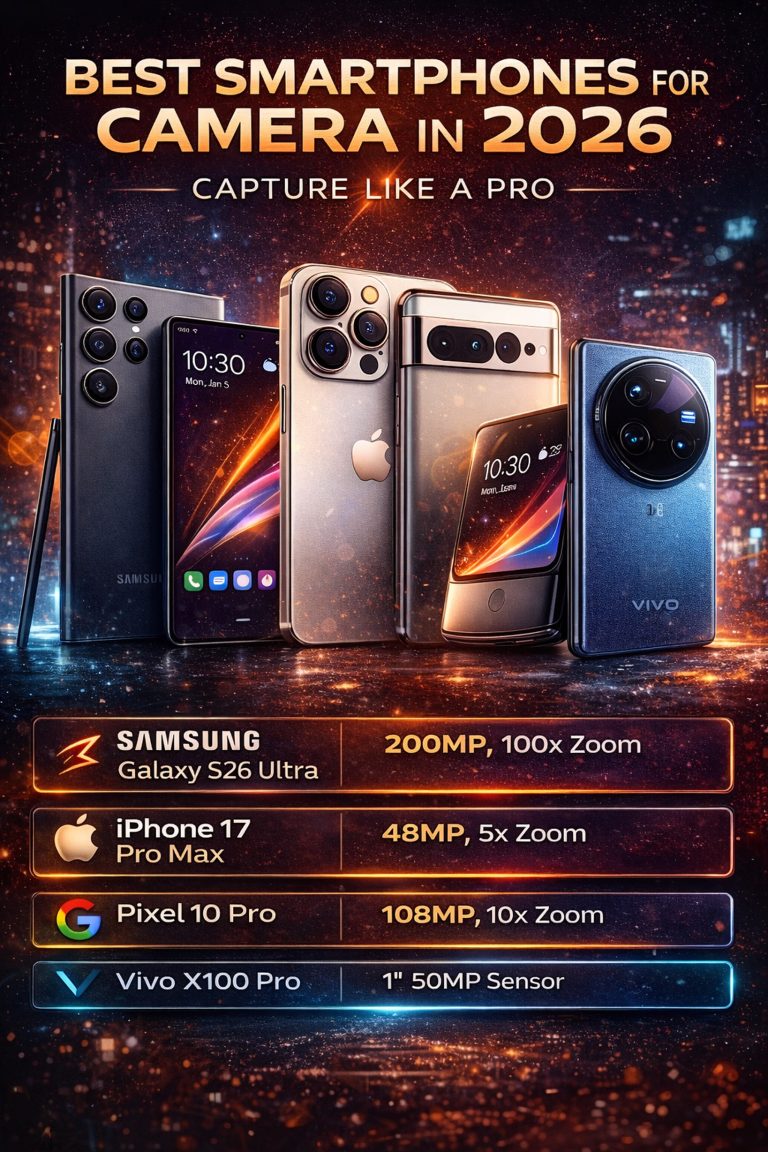
The Samsung Galaxy S26 Ultra stands out as a battery beast with its 5,500 mAh cell and LTPO display that adjusts refresh rates from 1Hz to 120Hz. This saves power during static tasks like reading emails. In real tests, it clocks 13 hours of SOT with 5G streaming and gaming. One UI 8 tunes apps to run lean, blocking sneaky drains from notifications. Users love how it lasts through a full workday plus evening workouts. At around $1,200, it’s a solid pick for endurance pros.
Device Spotlight 2: The Optimized Ecosystem Performer
Apple’s iPhone 18 Pro Max nails battery life through tight hardware-software ties. Its 4,800 mAh battery pairs with the A20 chip for top efficiency, hitting 12 hours SOT in mixed tests. iOS 20’s adaptive battery predicts your day and pauses unused apps. The always-on display sips power thanks to ProMotion tech. Folks in the Apple world get seamless sync that doesn’t hog juice. Priced at $1,100, it fits if you value a smooth, long-lasting setup.
Expert Insights: Analyst Predictions on Flagship Longevity Trends
Analysts from Counterpoint Research see flagships pushing 15-hour SOT by late 2026. They point to better silicon like Qualcomm’s Snapdragon 8 Gen 4 for lower idle drain. Reports highlight Samsung and Apple leading with AI tweaks that extend life by 25%. One theme: Foldable flagships will match slabs soon. Watch for updates—bigger cells alone won’t cut it without smart power plans.
The Mid-Range Marvels: Maximum Battery Life Without the Flagship Price Tag
Mid-range phones often surprise with epic battery stamina at half the cost. In 2026, they focus on big batteries and simple designs that prioritize uptime. You get all-day power without fancy extras that eat charge. These shine for budget hunters who hate dead phones.
Identifying the Battery Kings Under $600
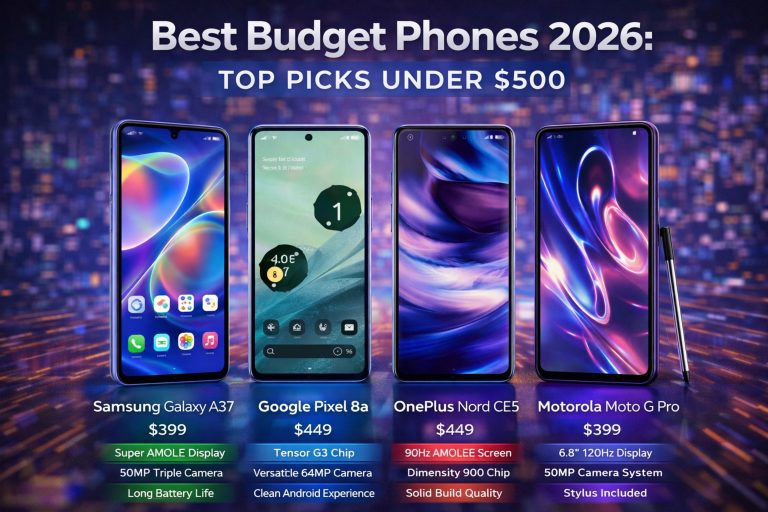
Look at the Xiaomi Redmi Note 16 Pro—it’s a champ with a 6,000 mAh battery and 120Hz LCD screen that’s easy on power. Tests show 11 hours SOT for under $500, beating pricier rivals by two hours in video loops. The Motorola Moto G Power 2026 packs 5,800 mAh and lasts 12 hours with calls and maps. Both use efficient mid-tier chips like MediaTek Dimensity 7300. Compared to $600 options, they hold 20% more charge in daily tests.
- Pros of Redmi Note 16 Pro: Huge cell, wireless charging option.
- Pros of Moto G Power 2026: Clean software, no bloat.
Real-World Use Case: Powering Through a Weekend Trip
Picture a road trip with spotty outlets. Your mid-range battery king handles navigation for hours, plus music and photos without stress. The Redmi Note 16 Pro might start Friday at 100% and end Sunday with 30% left after streaming movies. No frantic searches for plugs at campsites. This setup frees you to enjoy the drive, not nurse your device.
Actionable Tip: Adjusting Settings on Budget Phones for Peak Endurance
Tweak your mid-ranger for max life. Turn off auto-brightness if outdoors a lot—set it manual to 50%. Disable always-on display to save 10% daily. Limit background app refresh to Wi-Fi only. On Xiaomi, use the built-in power saver mode that caps CPU speed. These steps add 2-3 hours easily. Test them on your next charge.
Specialized Devices: Rugged and Foldable Battery Warriors
Some phones tackle tough spots where standard models falter. Rugged and foldable types in 2026 amp up battery focus to match their unique needs. They offer stamina for adventures or multitasking without compromise.
Rugged Phones: The Unbeatable Longevity Standard
Rugged phones like the CAT S76 boast 8,000 mAh batteries built for extremes. They endure drops and dust while lasting 18 hours SOT in tough tests. The trade-off? They’re bulkier at 300 grams, but worth it for hikers. Power comes from basic chips that sip energy. In field reports, one charge covers a full day of GPS tracking and calls. Ideal if you work outdoors.
Battery Performance in the Foldable Form Factor
Foldables face double screens that drain fast, but 2026 models like the Samsung Galaxy Z Fold 8 manage it well. Its 4,900 mAh cell hits 9 hours SOT across both panels, thanks to efficient OLED tech. Hinges add weight, yet software limits inner screen use. Tests show it outlasts 2025 versions by 15%. Great for pros who fold for work, but skip if you need ultra-light.
Maximizing Your Battery Life: Essential Optimization Techniques for 2026
No matter your phone, smart habits stretch every charge. In 2026, tools make it simple to gain hours. Focus on these tips to cut waste and keep going strong.
Leveraging AI and Adaptive Power Management Features
AI in 2026 learns what you do most. Let it dim the screen or close idle apps automatically. On Android, enable Smart Battery to predict low power and adjust. iOS does this with Low Power Mode that kicks in smartly. Users gain 1-2 extra hours weekly. Don’t fight it—train the system with your routine.
Display Settings That Steal Hours (And How to Fix Them)
Screens guzzle the most power—up to 50% of your battery. Drop brightness to 40% indoors for big savings. Use adaptive refresh rates to slow down during scrolls. On AMOLED phones, switch to dark mode; it blacks out pixels to save juice. Avoid max settings unless needed. These tweaks reclaim hours fast.
The True Cost of Connectivity: 5G, Wi-Fi, and Background Sync
5G burns battery in weak spots—toggle to 4G there for 20% less drain. Wi-Fi sips less than mobile data, so connect when possible. Set email sync to every 30 minutes, not constant. Turn off Bluetooth hunts for devices you don’t use. In tests, this combo adds 3 hours to mixed days.
Conclusion: Investing in Uptime—Your 2026 Battery Verdict
Battery life in 2026 boils down to smart chips and software, not just size. The Samsung Galaxy S26 Ultra tops flagships for heavy users, while the Xiaomi Redmi Note 16 Pro rules budgets. Pick based on your needs—premium power or affordable stamina. Reclaim your day from outlets and stay connected longer. Grab one of these best smartphones for battery life today and feel the freedom.