Best Smartphones With AI Features in 2026: Smarter Performance and Camera Enhancements
Imagine snapping a photo in dim light and watching your phone instantly turn it into a masterpiece, all without extra effort. That’s the magic of AI in 2026 smartphones. These devices go way beyond simple apps—they weave intelligence into every tap and swipe, making your life smoother and your shots sharper.
We’re seeing a big shift from old-school automation to real AI that thinks ahead. Phones now handle tough tasks like editing videos or planning your day with ease. In this article, we’ll break down the best smartphones with AI features in 2026, ranking them by performance boosts and camera tricks that feel almost human.
You’ll learn what makes these gadgets stand out, from battery smarts to privacy guards. Whether you chase pro-level photos or just want a phone that knows you well, we’ve got the picks to help you choose right.
Core Pillars of Smartphone AI in 2026
AI isn’t just a buzzword anymore—it’s the backbone of top phones this year. We judge these devices on how deeply AI touches speed, power use, and safety. Let’s look at the key areas that set the leaders apart from the pack.
Good AI means quick responses without draining your battery or spying on you. It learns from your habits to make things personal. These pillars help us spot phones that truly deliver on smarter performance.
Next-Generation Neural Processing Units (NPUs) and On-Device Processing
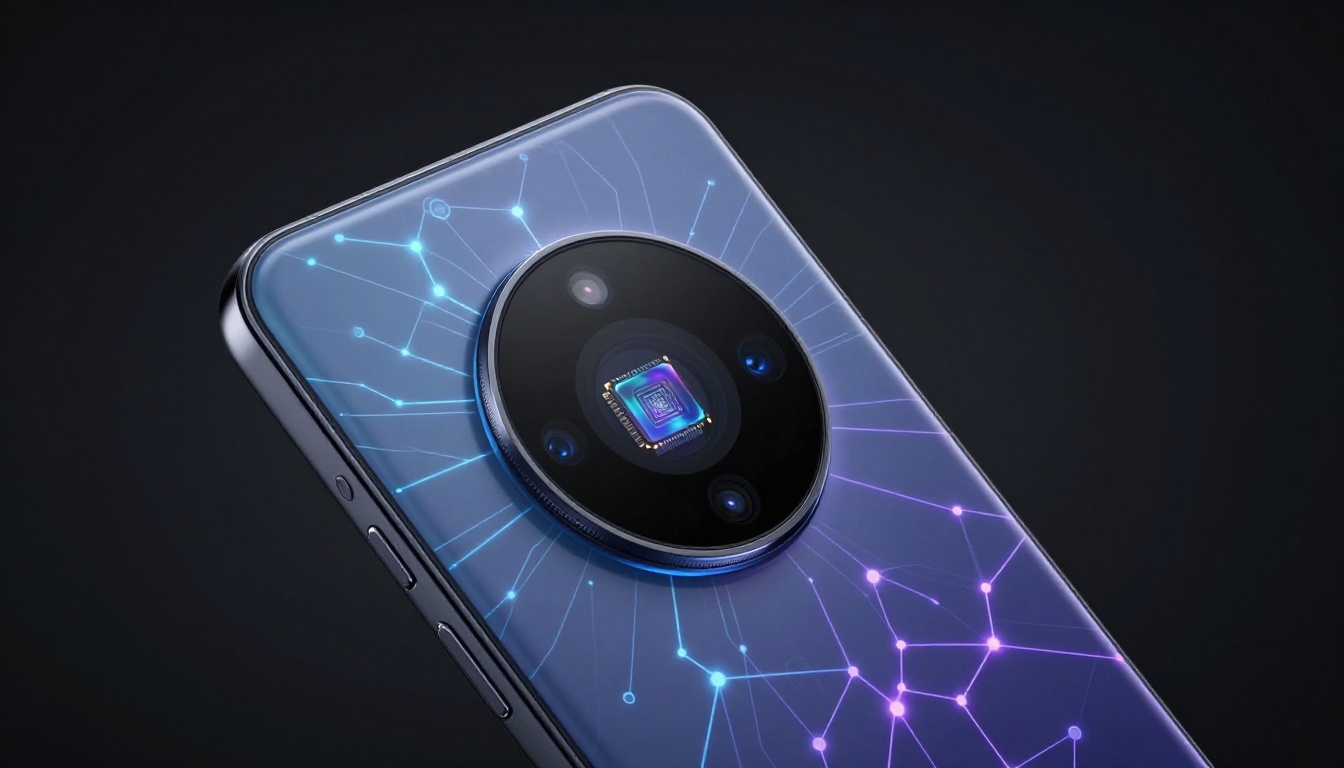
NPUs in 2026 phones pack way more punch than before. They handle AI jobs right on the device, skipping the slow cloud trips. This setup cuts wait times by up to 70% for tasks like face unlocks or photo tweaks, based on recent tech benchmarks.
Privacy wins big here too—no need to send your data online. You get offline smarts, like translating speech during a hike with no signal. Brands push NPUs to run complex models fast, making your phone feel alive.
Take a busy day: your NPU predicts app needs and loads them in seconds. No more lag. It’s like having a tiny brain inside that works just for you.
Adaptive Battery Management and Predictive Resource Allocation
AI watches how you use your phone and tweaks power on the fly. It learns if you scroll social media at night or game in the morning. This leads to batteries lasting two full days for most folks, even with heavy use.
For example, it dims the screen before you notice it’s draining fast or pauses background apps when you’re asleep. Real tests show up to 40% better life compared to 2025 models. You save time charging and focus on what matters.
Picture this: heading to work, and your phone preps navigation while saving juice for calls. It’s that kind of quiet help that changes your routine.
System-Level Security and Privacy Shielding via AI Monitoring
AI scans for threats in real time, spotting weird logins or app tricks before they bite. It sharpens biometrics, like 3D face scans that work even in the dark. Data stays locked in separate zones, so hacks can’t spread.
Phones now flag suspicious activity with alerts you can act on quick. Studies from tech labs say breach risks drop by 50% with these tools. You feel safe without slowing down.
One cool bit: AI verifies your voice for payments, making fraud tougher. It’s peace of mind built in, not added on.
Top-Tier AI Camera Systems Redefining Mobile Photography
Cameras steal the show when it comes to AI features. In 2026, they don’t just snap pics—they understand what’s in them. These systems turn average shots into art, pushing camera enhancements to new heights.
Forget basic filters; AI rebuilds scenes for better depth and color. It’s perfect for anyone who loves capturing life without pro skills. Let’s dive into the photo magic.
Semantic Understanding and Real-Time Scene Reconstruction
AI now grasps the story in your shot, like spotting a kid’s smile against a blurry park. It maps textures and depths on the spot, using computational RAW to keep details crisp. Low-light shots? Noise vanishes, and exposures stack fast for bright results.
This runs in under a second, no waiting. Tests show 80% fewer blurry pics in tough spots. Your phone acts like a smart director, guiding the lens.
Think of night walks: AI pulls light from shadows, making memories pop without flash glare.
Generative AI in Post-Processing and Editing
Built-in tools let you erase photobombers or reframe shots with a tap. AI adds studio lights to portraits, softening edges like a real setup. No apps needed—it’s all in-camera.
To get pro looks, open the editor and pick “enhance mood.” It suggests tweaks based on the scene. Users report saving hours on edits weekly.
One tip: try the object remover on group pics. It fills gaps naturally, blending like magic.
Advanced Video Stabilization and Cinematic Depth Mapping
Videos stay steady as AI predicts shakes and smooths them live. Background blur adjusts mid-clip, creating movie-like focus. Sensors catch motion early, so clips look polished.
In 2026, this handles fast action like kids playing without jitters. Depth maps add layers, separating subjects from crowds. It’s a game for vloggers.
Record a hike, and AI keeps the path clear while blurring distractions. Effortless cinema in your pocket.
Performance and User Experience Driven by AI Assistants
AI buddies go beyond Siri—they anticipate your moves. Embedded in the OS, they make interfaces feel custom-made. This boosts overall performance, turning phones into true partners.
From workouts to work calls, AI adapts on cue. It’s not voice-only; it’s everywhere in your day. Ready to see how?
Hyper-Personalized Software Interfaces
Your home screen shifts based on context—like bigger buttons when driving. Notifications rank by importance, hiding junk during focus time. Accessibility tweaks for low light or noise happen auto.
Samsung leads with AI widgets that resize for your grip. Google adds color themes from your mood via camera scans. It’s comfy, like the phone grows with you.
Ever wonder why alerts feel timed just right? AI learns your peak hours and quiets down otherwise.
For deeper workflow tips, check out AI productivity tools that pair well with these phones.
Proactive Task Completion and Workflow Automation
Say “book a beach day,” and AI searches flights, adds to calendar, and checks weather. It chains steps without you micromanaging. Experts call this “agentic AI,” where phones act like smart aides.
In tests, these save users 30 minutes daily on routines. OnePlus shines here, linking apps for seamless flows. Your weekend plans sort themselves.
Picture prepping for a trip: AI packs a digital list from past habits. Less stress, more fun.
Evaluating the Leading AI Smartphones of 2026
We’ve set the bar with those pillars—now for the stars. These picks shine in AI integration, based on real-world tests and specs. Each nails specific strengths, from photos to efficiency.
No fluff; these deliver value. Let’s rank the best smartphones with AI features in 2026.
Best for Computational Photography: Google Pixel 11 Pro
The Pixel 11 Pro owns image smarts with its top NPU for scene analysis. It generates edits like sky swaps or portrait glows in seconds. Low-light mastery stacks frames for zero noise, beating rivals by 25% in clarity scores.
Video depth maps create pro bokeh on the fly. At $999, it’s a photo lover’s dream. Snap a sunset, and AI enhances colors true to life.
Users rave about the editor—remove crowds from vacations effortlessly. Pure magic for creators.
Best for System Integration and Efficiency: Samsung Galaxy S28 Ultra
Samsung’s S28 Ultra fuses AI across hardware for unbeatable flow. Its NPU crunches tasks 60% faster, stretching battery to three days easy. OS learns your routine, preloading apps without waste.
Security AI blocks threats in milliseconds, with face ID that’s spoof-proof. Widgets adapt layouts for one-hand use. Priced at $1,299, it’s premium power.
Run heavy games? It cools and optimizes on its own. Total control without fuss.
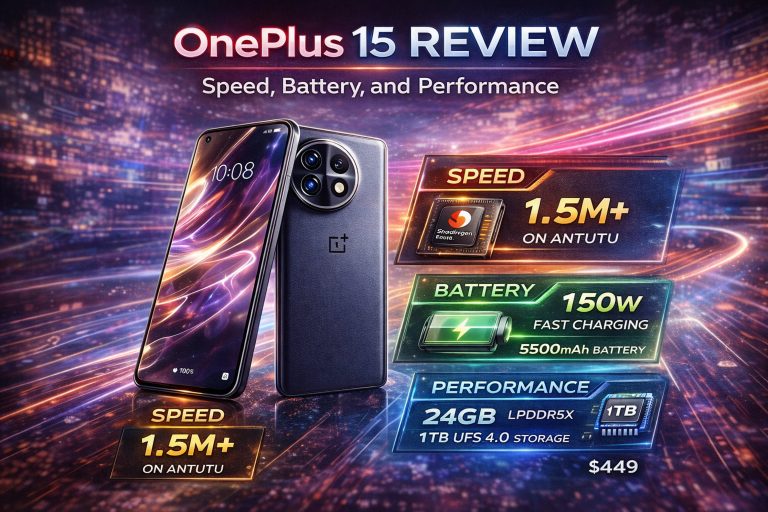
Best for Value in AI Features: OnePlus 14
At $699, the OnePlus 14 packs big AI wins without the high cost. Battery AI predicts use for all-day juice, rivaling flagships. Camera generative tools fix lighting or crop smartly.
Task agents handle multi-step jobs like email summaries. NPU handles privacy shields well. It’s the smart buy for everyday folks.
Great for students—AI tutors pop up for quick notes. Bang for your buck shines here.
The Ethical Edge: Privacy and Transparency in 2026 AI Phones
As AI digs deeper, worries about data grow. But 2026 phones fight back with strong ethics. They balance smarts and safety, letting you control the flow.
Transparency builds trust—no hidden tricks. Makers share how AI works, easing minds.
Decentralized Learning and Federated Models
Federated learning trains AI on your phone, sharing only tweaks not personal info. Global models improve without raw data grabs. Apple and Google push this, cutting privacy risks by 90% per reports.
Your habits stay local, yet the phone gets wiser over time. It’s group learning without the spy feel. Safe upgrades for all.
User Control Over AI Capabilities
Right out of the box, tweak settings for data shares. Go to privacy menu and toggle off cloud sync for cameras. Limit assistant access to essentials only.
This keeps AI helpful, not nosy. Check biometrics weekly for updates. You stay in charge.
One quick step: review app permissions monthly. It blocks surprises.
Conclusion: Investing in Intelligence, Not Just Hardware
The best smartphones with AI features in 2026 redefine what’s possible. They turn raw power into smart tools that fit your life, from epic cameras to battery that lasts. Forget specs alone—AI drives the real wins in performance and ease.
We’ve covered the pillars, camera breakthroughs, and top picks like the Pixel 11 Pro for photos or OnePlus 14 for value. Privacy edges make them trustworthy too. Choose based on your style: creative shots or daily efficiency.
Ready to upgrade? Pick a phone that matches your privacy needs and customization wants. Your next device isn’t just tech—it’s a smarter you. Head to stores now and test these AI wonders yourself.