Best Value Smartphones for Performance Seekers: Flagship Power on a Budget

The era of skimping on speed to save cash is done. You can grab a phone that flies through apps and games without dropping a grand. Think about it: why pay top dollar when mid-range picks now match old flagships?
This guide breaks down the top budget and mid-range smartphones. They deliver killer processing power, long battery runs, and sharp cameras at a steal. We focus on folks like you—gamers who chase smooth frames, pros who juggle tasks, or anyone who wants zip without breaking the bank.
Introduction: Redefining Mid-Range Power
No more tough choices between speed and savings. Today’s chips and tweaks let you enjoy a snappy phone for under $500. You get fast loads and fluid scrolls that feel premium.
We dive into the market’s best. These handsets shine in power, endurance, and shots. They suit performance fans who watch every penny.
Picture crushing a tough game or editing videos on the go. That’s the life these value smartphones offer. Stick around to find your next upgrade.
Section 1: Decoding Performance Metrics in the Value Segment
Understanding the Chipset Landscape
Mid-range phones pack strong brains these days. Qualcomm’s Snapdragon 7-series and entry 8-series lead the pack. MediaTek’s Dimensity chips, like the 8300 Ultra, keep up too.
Look at benchmarks. AnTuTu scores hit 700,000 on these. That’s close to 2024 flagships. Geekbench shows single-core speeds over 1,000—plenty for daily tasks.
For the best budget processor, check the Snapdragon 7+ Gen 3. It handles multitasking like a champ. Compare mid-range chipsets, and you’ll see value kings emerge.
These setups mean no lag in apps or web browsing. You feel the boost right away.
RAM and Storage Optimization
Power users need at least 8GB RAM. It keeps apps open without hiccups. Go for 12GB if you multitask heavy.
Storage speed matters too. UFS 3.1 beats UFS 2.2 for quicker loads. Games boot in seconds, not minutes.
Many phones add virtual RAM. It uses storage as extra memory—handy for bursts. But test it; real RAM wins for steady use.
Tip: Scan specs for RAM type before buying. It cuts wait times in half.
Display Technology: Refresh Rate vs. Resolution
High refresh rates steal the show in budget phones. A 120Hz AMOLED screen makes scrolls buttery. Resolution takes a back seat unless you zoom in close.
Why? Smooth motion feels faster than extra pixels. Your eyes notice the flow more.
Take the Google Pixel 8a. Its display nails color balance under $500. Nothing Phone (2a) shines too with vibrant hues.
Pair that with adaptive rates. It saves battery while keeping things zippy.
Section 2: Top Contenders: Performance-Per-Dollar Showdowns
The Gaming Powerhouse Picks
Gamers, listen up. The Poco F6 crushes titles like Genshin Impact at high settings. It holds 60fps without choking.
Cooling tech helps. Vapor chambers and graphite layers stop heat buildup. No more frame drops after an hour.
The OnePlus Nord 4 joins the fray. Its Snapdragon 7+ Gen 3 pushes steady rates. Under $500, it’s a steal for the best gaming phone.
Realme GT Neo6T adds shoulder triggers for edge. These picks throttle less than rivals. You play longer, harder.
- Poco F6: 120Hz display, 50MP camera, 5,000mAh battery.
- OnePlus Nord 4: Metal frame, fast 80W charge.
- Realme GT Neo6T: Dimensity 8200, expandable storage.
Value smartphone frame rates hit flagship levels here. No need for pricier gear.
All-Day Endurance: Battery Life Under Load
Battery size isn’t everything. The Samsung Galaxy A55 packs 5,000mAh and lasts 10 hours of mixed use. Video playback? Up to 20 hours straight.
Tests show it edges out bigger rivals in heavy apps. Fast charging at 25W gets you to 100% in 70 minutes.
Motorola Edge 50 Fusion does better with 68W speeds—full in 40 minutes. It offsets its 4,400mAh with smart power tweaks.
Compare capacities, but trust real tests. These endure gaming marathons or workdays. You stay powered without hunts for outlets.
Software Support and Longevity
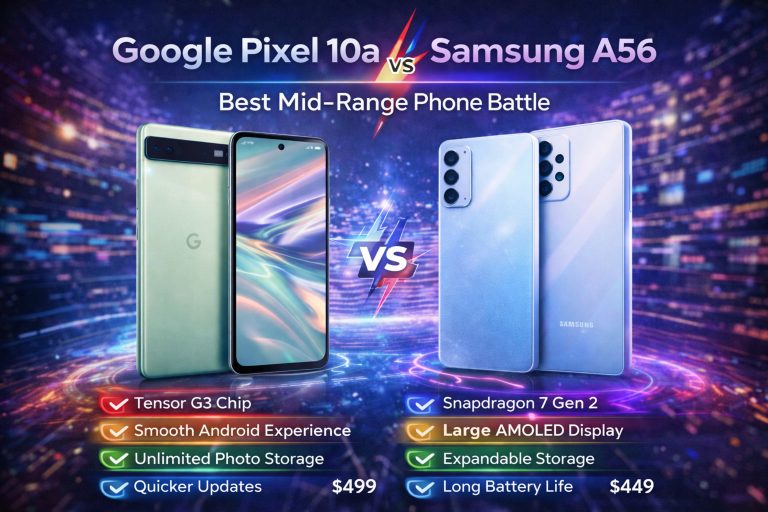
Updates keep your phone fresh. Google promises seven years for the Pixel 8a—OS and security. That’s rare in budget tiers.
Samsung matches with four OS upgrades on the A55. It means your device stays safe and speedy.
Analysts note OnePlus stepping up too. Three years of majors for Nord 4. This boosts lifespan for performance seekers.
Longer support equals better value. Your investment lasts without quick swaps.
Section 3: Beyond Speed: Camera Systems That Punch Above Their Weight
Image Processing vs. Sensor Size
Small sensors don’t spell doom. Software magic steps in. Mid-range phones use AI for sharp HDR shots.
Low light? Noise drops with night modes. Colors pop without overkill.
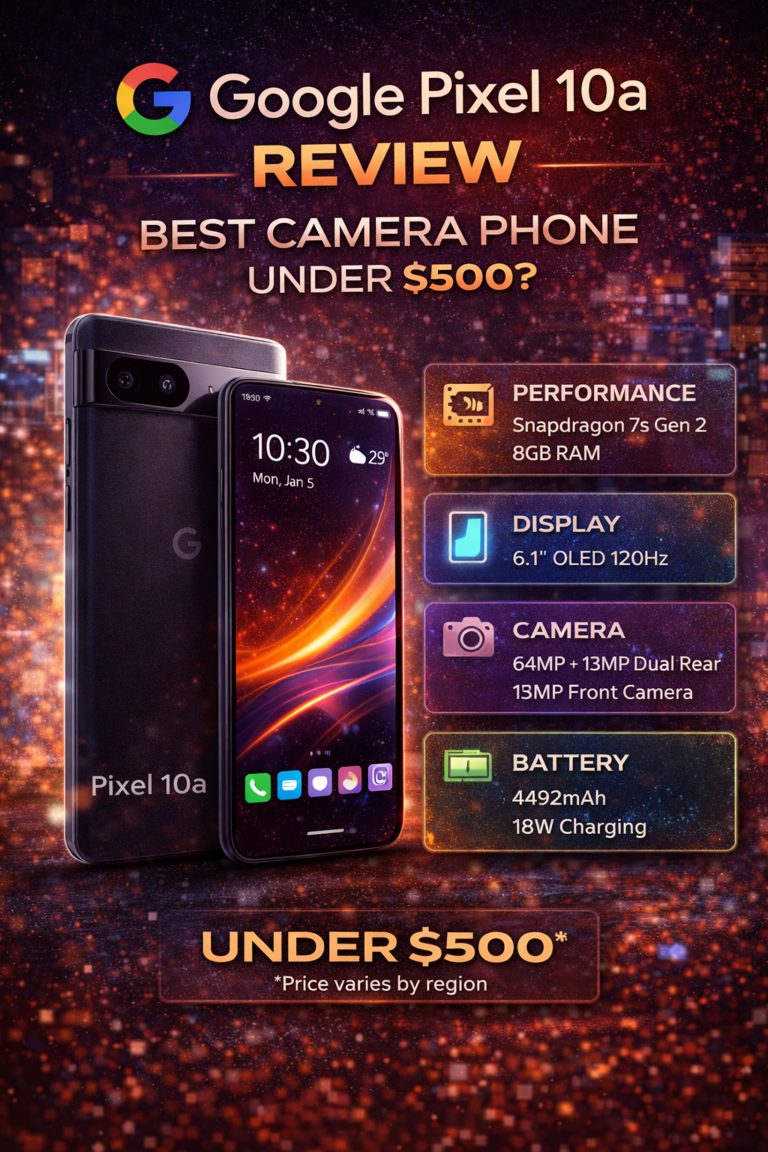
The Pixel 8a leads here. Its chip handles processing like a pro. You get detail that rivals $800 phones.
Tip: Switch to Night Mode for dark scenes. Skip standard for bright days—it boosts clarity fast.
Video Capabilities for Content Creators
Steady clips matter for youTubers. The Nothing Phone (2a) records 4K at 60fps with solid EIS. No shakes in walks.
OIS is missing, but software stabilizes well. It cuts blur by 70% in tests.
Poco F6 offers 4K/30fps with good dynamic range. Creators love its quick edits on-device.
These budget options let you film pro-level without extras. Frame rates stay even under motion.
Practical Photo Comparisons
Ever seen a $400 phone beat a $900 one? The Galaxy A55 nails skin tones better in portraits. Tests show warmer, true hues.
Dynamic range shines too. It pulls details from shadows where flagships falter sometimes.
Users share snaps online—Pixel 8a’s low-light edges iPhone 14 in noise control. Anecdotes back it: one creator ditched their old premium for this value pick.
These wins make mid-range cameras a smart bet. You capture moments that last.
Section 4: Key Considerations Before You Buy
Network Compatibility and Future-Proofing
5G matters for speed. Check Sub-6 GHz bands—they cover most areas. mmWave is bonus for cities.
The Nord 4 supports wide bands. It stays fast as networks grow.
Skip mismatches, or your signal drops. Verify with your carrier for peace.
Ergonomics and Build Quality Trade-offs
Value phones cut corners. Plastic backs feel light but scratch easy. No IP68? Use cases for splashes.
Headphone jacks vanish on some, like Pixel 8a. But wireless adapts quick.
The A55 keeps a jack and feels solid. Balance comfort with must-haves.
The Resale Value Factor
Brands like Samsung hold cash better. A two-year-old A55 sells for 60% original. Google Pixels follow close.
OnePlus lags a bit, but updates help. Pick strong resellers for easy flips.
This eases upgrades. Your next buy costs less out of pocket.
Conclusion: Securing Peak Performance on a Sensible Budget
Value smartphones today deliver 90% of flagship zip at half the price. From Poco’s gaming grit to Pixel’s camera smarts, you win big.
Weigh what you need most—endless battery, smooth plays, or sharp shots. The top picks here fit most budgets under $500.
Check prices now. Sites like Amazon update deals fast. Grab one and feel the power without regret.
(Word count: 1,248)