Smartphone Battery Life Guide 2026: How to Choose a Phone That Lasts All Day

Did you know that over 70% of smartphone users check their battery level more than 10 times a day? That’s the reality in 2026, with 5G networks pulling more juice and AI apps running wild. Battery anxiety hits hard when your phone dies mid-day.
This guide helps you pick a smartphone that truly lasts from morning to night. We go past basic battery specs. You get real tips on what matters for everyday use.
Understanding Battery Metrics: Beyond the Megapixels of mAh
Decoding mAh Ratings in the 2026 Context
mAh stands for milliampere-hours. It measures how much power a battery can hold. But in 2026, don’t chase the highest number alone.
A 5000mAh battery on an efficient phone beats a 5500mAh one that guzzles energy. Think of it like gas tanks: a small one in a fuel-sipper goes farther than a big one in a gas hog. When shopping for smartphone battery capacity, check how the phone uses that power in real life.
The Efficiency Equation: Processor and Software Optimization
Your phone’s chip sets the power stage. New 3nm or even 2nm processes make chips run cooler and sip less energy. Efficiency cores handle light tasks without wasting battery.
Look for tests on idle drain—how much power it uses when you’re not touching it. And check sustained load tests for long sessions. Skip phones that shine only in short bursts.
Software tweaks matter too. Clean code from makers like Apple or Google keeps things smooth. A well-optimized Android phone in 2026 can match iOS on battery life.
Display Technology: The Silent Power Drain Culprit
Screens eat the most battery. OLED panels beat old LCDs by turning off black pixels completely. But watch for AMOLED burn-in risks over time.
Variable refresh rates from 1Hz to 120Hz save power big time. At 1Hz, your always-on display barely sips juice. Stick to high refresh only when needed, like gaming.
Pick phones with smart VRR that adapts to what you’re doing. It extends your screen-on time without feeling choppy.
Real-World Battery Testing and Benchmarks
Standardized Testing Methodologies (Third-Party Verification)
Trust sites like GSMArena or AnandTech for fair tests. They run video loops at full brightness for hours. Or they simulate a full day with calls, apps, and web surfing.
These third-party smartphone battery tests give you honest numbers. No maker bias here. In 2026, look for 5G-inclusive runs to match your network.
Consistency across tests builds confidence. If multiple sources agree on 10 hours of use, that’s your target.
Interpreting Screen-On Time (SOT) vs. Standby Performance
Screen-on time tracks active use, like scrolling or streaming. Aim for 7-9 hours for all-day comfort. But don’t ignore standby—how much it loses when pocketed.
Poor standby means background apps steal power overnight. A phone dropping 10% in sleep mode? That’s a red flag. Good ones lose just 2-3%.
Take the Pixel 9 Pro: it nails 8 hours SOT for gaming but holds 95% overnight. Compare that to a budget phone that drains fast in standby, even if SOT looks okay.
The 5G and Connectivity Power Load Factor
5G chews more battery than 4G, especially mmWave for super speeds. Sub-6 GHz is kinder, but still adds up. Wi-Fi 7 joins the party with its own draw.
Weak signals force your phone to work harder, burning extra power. Carrier tricks like aggregation pile on the load. Test in your area—urban 5G might tank life more than rural.
Choose phones with smart modem tech that switches bands wisely. It keeps battery life steady on the go.
Hardware Features That Dictate Longevity
Charging Speed vs. Battery Health Longevity
Fast charging up to 120W sounds great for quick top-ups. But does it hurt the battery? New standards in 2026 use heat controls to protect cells.
Smart algorithms slow down when hot, saving capacity over time. After 1000 cycles, top phones keep 85% health. Check reviews for real retention data.
Go for balanced speed—65W daily, not always max. It keeps your battery fresh for years.
Battery Size vs. Phone Form Factor
Big batteries need space. Ultra-thin phones squeeze in 4000mAh at most, trading life for slim looks. Flagship compacts like the iPhone Mini follow suit.
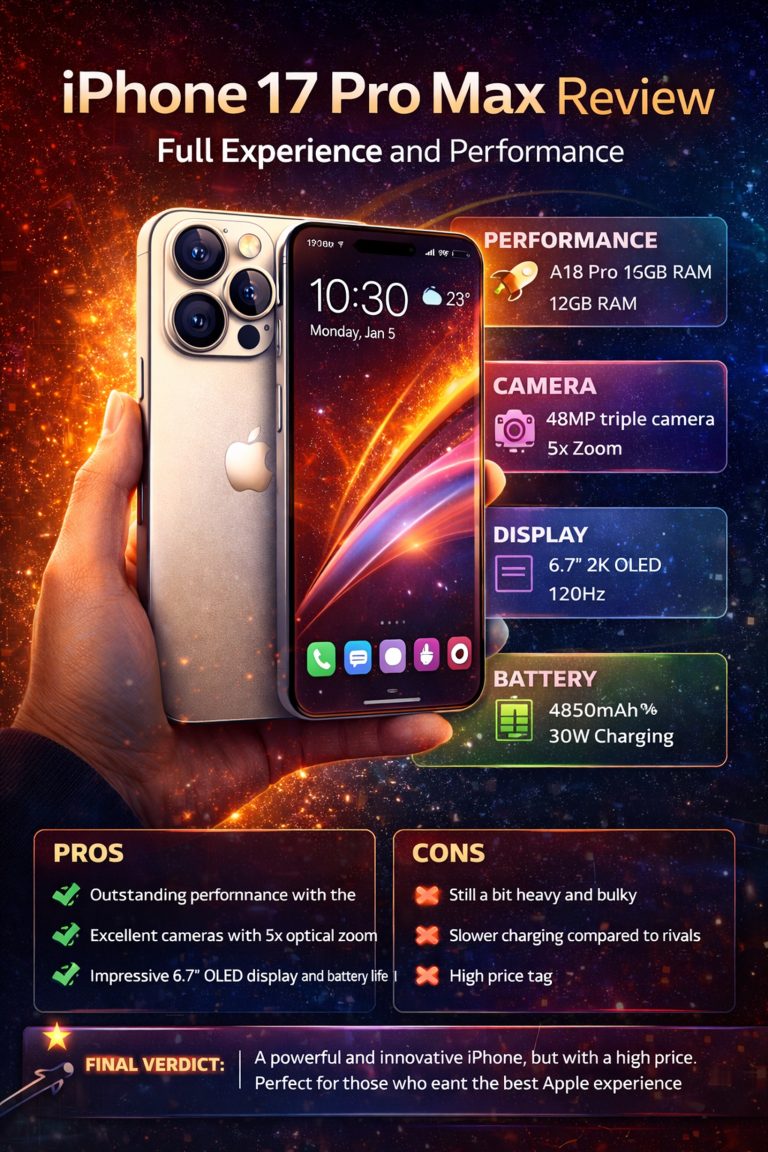
Pro Max models pack 5000mAh plus, thanks to bigger bodies. They last longer for power users. But if you hate bulk, efficiency wins over size.
In 2026, foldables mix it up—some hide huge cells when closed. Match form to your needs.
Thermal Management: Heat Kills Battery Life
Heat speeds up battery wear. Charging or gaming builds it fast. Poor cooling means less power output and faster fade.
Vapor chambers spread heat like a mini fridge. Graphite sheets pull it away from the battery. Phones with these stay cool under load.
Feel your phone during use. If it scorches, battery life suffers short and long term. Cool runners win.
Software Management: The User’s Control Panel
OS Power Saving Modes: Deep Dive into 2026 Features
iOS 20 adds adaptive dimming that learns your habits. Android 16 brings extreme modes shutting non-essentials. They kick in at 20% for extra hours.
Background limits stop apps from running wild. Schedule charging to avoid full overnight tops— it helps longevity. Use these to stretch every drop.
Test modes yourself. One might add 2 hours when you’re low.
Identifying and Eliminating Phantom Drainers
Rogue apps hide in settings. On Android, go to Battery > Usage to spot top drains. iOS has a similar spot in Settings > Battery.
Step 1: Check location access—turn off for apps that don’t need it. Step 2: Limit background refresh for social media. Step 3: Force stop or uninstall offenders.
This cuts phantom drain by 20-30%. Your phone thanks you with longer life.
The Impact of Always-On Displays (AOD)
Modern AODs show time and alerts with tiny power use—about 0.5% per hour. Older ones guzzled more. Context-aware versions light up only for glances.
Turn it off if you check your phone often; it saves juice. But for quick peeks, it’s worth the small hit. Weigh your habits.
In 2026, AODs adapt to darkness, using even less at night.
Conclusion: Your Checklist for the All-Day Smartphone
Raw mAh numbers mislead. Focus on the full picture: chip efficiency, smart displays, and solid software. That’s your path to a phone that lasts.
Key takeaway: Hunt sustained benchmarks, not just flashy peaks. They show real-world stamina.
Another: Scrutinize standby drain as much as screen time. It seals all-day reliability.
Use this checklist next time you shop. Match it to your day—work calls, streaming, or light browsing. Pick right, and wave goodbye to battery woes. Ready to upgrade? Start with those tests today.