The Best Phones with AMOLED Display Under $300: Vibrant Screens Without Breaking the Bank
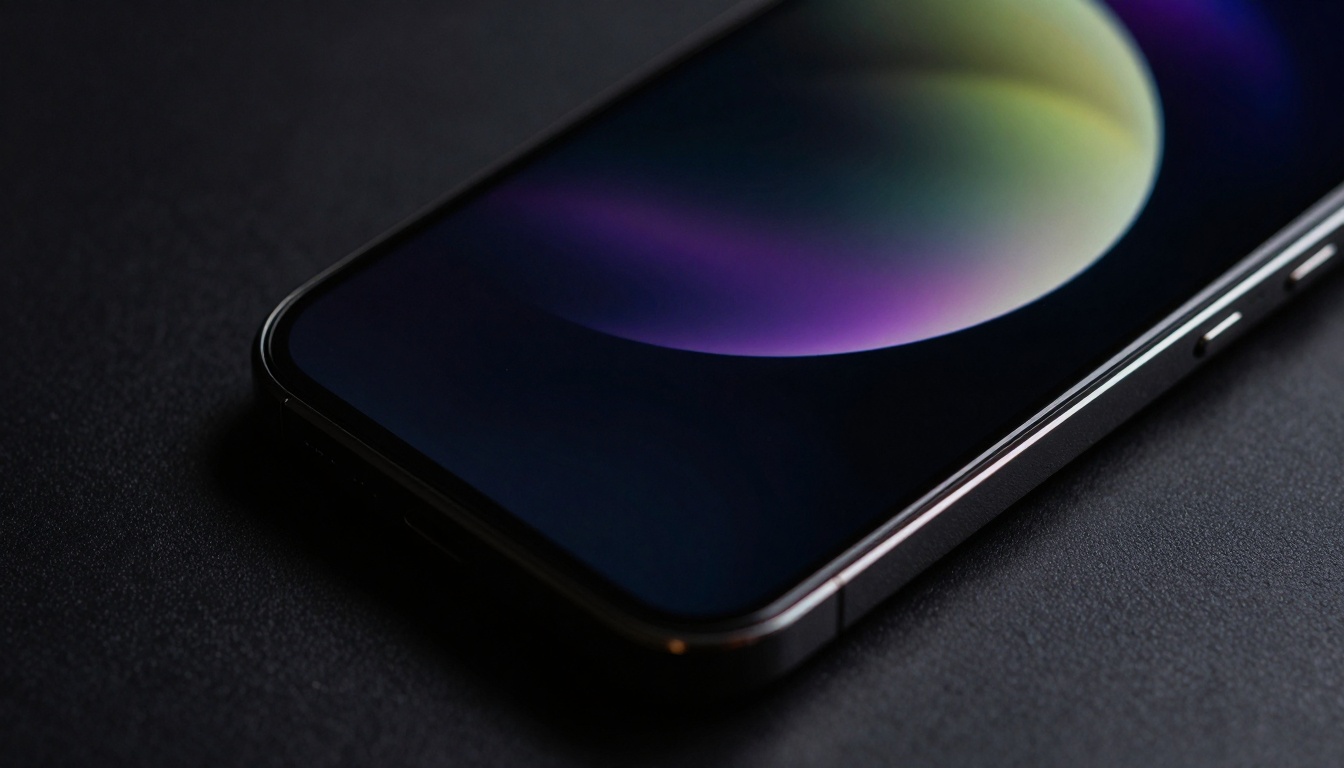
Want a phone screen that pops with deep blacks and bright colors? You don’t need to spend a fortune. AMOLED displays bring premium quality to budget picks under $300. These screens beat out old LCDs by turning off pixels for true black shades. They save battery too and make videos look alive. In this guide, we spotlight top phones that nail this mix of value and visuals.
Introduction: Why AMOLED Matters in Budget Smartphones
Premium features once cost hundreds extra. Now, AMOLED tech sits in phones you can grab for less than $300. This display type uses organic materials to light up each pixel on its own. No backlights mean richer colors and better contrast than LCD screens. Power use drops since dark areas stay off. If you watch movies or scroll social feeds, AMOLED changes the game. Our picks show how these displays shine without wallet pain.
Section 1: Understanding AMOLED Technology in the Sub-$300 Market
AMOLED vs. OLED vs. LCD: Decoding Display Jargon
OLED lights pixels individually for sharp images. AMOLED adds a matrix for faster response and deeper hues. Makers slap “AMOLED” on budget models to signal top color pop. LCDs rely on a backlight, so blacks look gray. In cheap phones, AMOLED often means better viewing angles. You get that without paying flagship prices.
Key Specifications to Prioritize Beyond Just “AMOLED”
Look for FHD+ resolution first. It packs 1080×2400 pixels for clear details on a 6-inch screen. A 90Hz refresh rate smooths scrolls over 60Hz basics. Peak brightness hits 800 nits or more for sunny days. These specs make AMOLED work hard in daily use. Check them to avoid dim or blurry options.
- Resolution: Aim for Full HD+ to match eye comfort.
- Refresh rate: 90Hz eases eye strain during fast swipes.
- Brightness: 700+ nits keeps things visible outdoors.
Trade-offs: Where Budget AMOLED Displays Compromise
Cheap AMOLED skips ultra-high brightness of $1000 phones. You might see 1000 nits max, not 2000. PWM dimming flickers at low light, bugging some eyes. Colors stay vivid but not always lab-perfect. Still, these hold up for most tasks. Expect solid daily drivers, not pro setups.
Section 2: Top Contenders: Reviewing the Best AMOLED Phones Under $300
The Performance Champion: Samsung Galaxy A25 5G Analysis
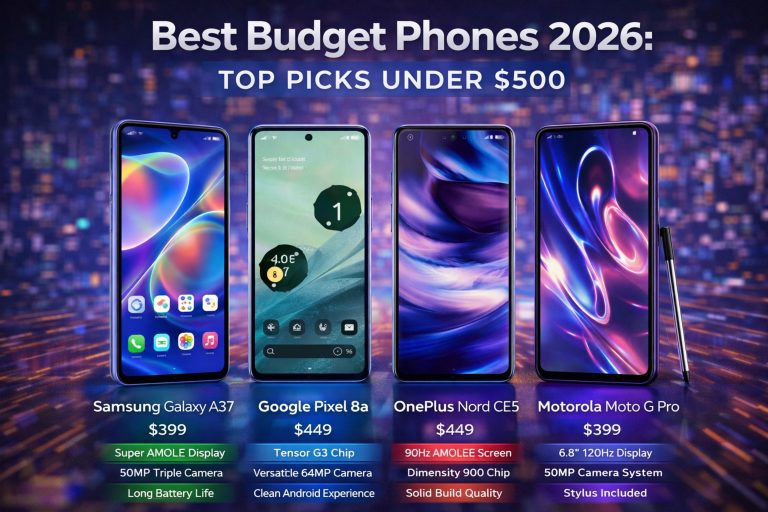
The Samsung Galaxy A25 5G leads with its Exynos 1280 chip. It handles apps and light games without lag. Battery lasts 14 hours on mixed use, thanks to the efficient AMOLED screen. Its 6.5-inch Super AMOLED hits FHD+ at 120Hz for buttery scrolls. Widevine L1 certification streams HD Netflix crisp. At $250, it packs Samsung’s polish. Camera setup includes a 50MP main shooter that pairs well with the vibrant display for photo reviews.
The Camera-Focused Option with a Stunning Display: Google Pixel 7a Deep Dive
Google’s Pixel 7a blends solid snaps with a 6.1-inch OLED screen. The Tensor G2 processor keeps shots quick to process. AMOLED here boosts color accuracy for editing pics right on device. View your 64MP photos in true-to-life tones. Video playback shines with deep contrasts. Priced at $280 now, it edges out rivals in software smarts. Battery sips power on that display, hitting 10 hours of screen time easy.
Best for Media Consumption and Battery Life: Nothing Phone (2a) Breakdown
Nothing Phone (2a) shines for binge-watchers with its 6.7-inch AMOLED at 120Hz. The MediaTek Dimensity 7200 Pro pushes smooth playback. A 5000mAh battery endures 15 hours of video, screen and all. Glyph lights add fun alerts without draining extra. Speakers pump clear sound to match the immersive display. At $220, it’s a steal for Netflix fans. Aspect ratio of 20:9 fits wide content perfect.
Section 3: Performance and Software Integration with Budget AMOLED Screens
Refresh Rate Realities: Is 90Hz Worth the Price Jump?
90Hz feels snappier than 60Hz on budget chips. Swipes and animations flow better for $20 more. But on weaker processors, the gain shrinks. Toggle to 60Hz for battery saves during calls. Test it yourself—most notice the difference in games. In sub-$300 phones, 90Hz adds value without much cost.
Software Optimizations for AMOLED Longevity
Dark mode saves pixels from burn-in on AMOLED. Samsung’s One UI auto-switches apps to it. Xiaomi’s MIUI adds eye comfort schedules. Always-On Display shows clocks without full wake-up. These tweaks extend screen life years. Check for updates—they fix glitches fast.
Benchmarking Gaming Visuals on Budget AMOLED Panels
Budget AMOLED handles PUBG or Candy Crush fine. Response times hit 1ms for blur-free action. Colors pop in fantasy worlds. Heat builds in long sessions, but fans stay quiet. Scores like 500k on AnTuTu show smooth play. Pair with a case for grip during marathons.
Section 4: Critical Buying Factors Beyond the Display
Connectivity and Future-Proofing: 5G Availability Under $300
5G comes standard on our picks like the A25 and Pixel 7a. Speeds hit 1Gbps in good areas for quick downloads. The Nothing Phone (2a) skips it in base models—check yours. This keeps your phone relevant through 2030. Wi-Fi 6 adds home speed too.
Storage and Expandability: RAM/ROM Configurations That Matter
Go for 6GB RAM minimum to juggle tabs on high-res screens. 128GB storage fits apps and media. UFS 2.2 speeds load times over eMMC junk. MicroSD slots expand to 1TB on Samsung. Avoid 4GB setups—they stutter on AMOLED demands.
- RAM: 6GB+ for multitasking wins.
- Storage: 128GB base with slot for more.
- Speed: UFS keeps things zippy.
Real-World Durability: Glass Protection and Build Quality
Gorilla Glass 5 covers most like the Pixel’s front. It resists scratches and minor drops. IP54 ratings fend off splashes on the A25. Plastic backs feel light but dent easy. Add a screen protector for peace. These hold up in pockets and purses fine.
Conclusion: Securing Your Vibrant Viewing Experience
AMOLED under $300 delivers flagship-level screens on a dime. The Samsung Galaxy A25 tops for all-around power. Pick the Pixel 7a if cameras call you. Nothing Phone (2a) rules media marathons. Each offers true blacks and power smarts LCDs can’t touch.
| Phone | Price | Key Strength | Display Size |
|---|---|---|---|
| Galaxy A25 5G | $250 | Performance | 6.5″ |
| Pixel 7a | $280 | Camera | 6.1″ |
| Nothing Phone (2a) | $220 | Battery/Media | 6.7″ |
Grab one based on your needs—performance, snaps, or endless watch time. These deals make premium visuals yours today. Check carriers for the best price now.