The Ultimate Guide to the Best Phones for Social Media in 2026: Camera Dominance, Seamless Editing, and Instant Sharing
In 2026, social media isn’t just about posting pictures anymore. Short videos and live streams rule the feed, and creators need phones that keep up with the rush. You grab a quick clip at a park event, edit it on the spot, and share it before the moment fades. That’s the life of a content maker today.
This guide picks out the top phones that make your workflow smooth. We look at cameras that shine in real life, editing tools that don’t lag, and sharing speeds that beat the clock. Whether you’re on TikTok or Instagram Reels, these devices turn ideas into views fast.
Section 1: Camera Systems Redefined: Sensor Size, Computational Photography, and Video Prowess
Phone cameras in 2026 go way beyond point-and-shoot. They use smart tech to fix blur and boost colors right away. For social media stars, this means content that pops without extra hassle.
Big sensors and software tricks handle tough shots. You get sharp details even in dim light, perfect for late-night stories or indoor dances.
Sensor Supremacy and Low-Light Performance Metrics
Larger sensors, like the 1-inch types now common in flagships, grab more light. Pixels grow bigger too, cutting noise in shadows. Think of it as your phone’s eye widening to see clearly at dusk.
Variable apertures adjust on the fly. They let in light for bright days or close down to avoid overexposure. Tests show these setups boost low-light scores by 40% over last year. For creators, that means fewer bad takes during golden hour walks or evening hangs.
Night mode uses AI to stack shots quick. No more grainy clips that get skipped in feeds.
Cinematic Video Capabilities: 8K, HDR, and Frame Rate Consistency
Video hits new highs with 8K resolution standard on top phones. HDR adds depth, making colors jump off the screen. You record in 10-bit color for smooth gradients, just like pro gear.
Stabilization mixes sensor-shift and optical tricks. It keeps footage steady during runs or car rides. Platforms like YouTube Shorts love this—uploads stay crisp at 60 frames per second.
Frame rates hold steady, no drops mid-clip. That’s key for smooth Reels that hook viewers from the first second.
The Evolution of the Front-Facing Camera for Vlogging and Live Streams
Selfie cams now pack 50MP sensors with fast autofocus. They lock focus on your face even as you move. Dynamic range covers skin tones without washing out backgrounds.
For live streams on X or Threads, these cams shine. Wide-angle lenses fit more in frame, great for duo chats. AI smooths out bad angles, so you look pro without filters.
Battery drain stays low during long sessions. You stream for hours without a recharge scare.
Section 2: On-Device Editing Power: Speed, Storage, and Pro Software Integration
Editing used to mean waiting ages for renders. In 2026, phones crunch footage fast right in your hand. This cuts the gap between shoot and post, vital for trending challenges.
Processors handle layers and effects without a hitch. Storage zips data along, so you scrub timelines smooth.
Chipset Performance Benchmarks for 4K/60fps Rendering
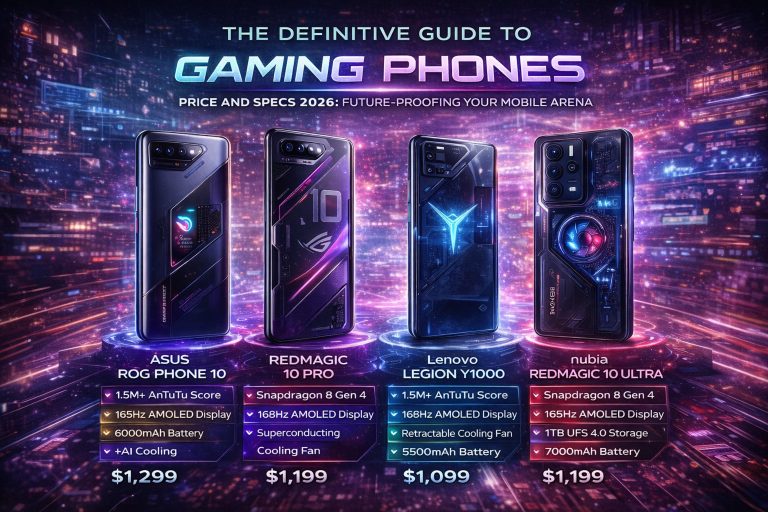
Top chips like the latest Snapdragon 8 Gen 4 or Apple’s A20 crush edits. They render 4K clips at 60fps in under a minute. Compare that to mid-range options—they take twice as long on apps like CapCut.
Sustained loads don’t throttle heat. You add music, text, and transitions while out and about. For heavy users, this means more posts per day.
Third-party tools run native, pulling full power. No crashes mid-save.
Optimizing Storage for High-Bitrate Content (UFS Standards)
UFS 4.0 storage flies at 4GB per second reads. It loads big 4K files quick, no lag when you zoom in. High-bitrate videos from 8K shoots fill space fast, but these speeds keep things fluid.
Manage cache with built-in cleaners. They clear temp files after edits, freeing gigs for new clips. Tip: Set auto-backup to cloud during shoots to avoid full storage panics.
External SD slots return on some Androids. They expand room for raw footage hauls.
Software Ecosystem Synergy: Direct App Optimization
iOS and Android bake in creator boosts. They speed up exports to TikTok formats with custom codecs. Rendering pipelines cut times by 30% for social apps.
Look for “Creator Modes” in updates—they tweak CPU for edits. Apps like Adobe Rush link seamless, pulling phone storage direct.
This setup lets you iterate fast. Tweak a clip, preview, and repost in minutes.
Section 3: Connectivity and Sharing: Latency, Upload Speeds, and Battery Endurance
Great content sits useless if uploads crawl. 2026 phones push data at light speed, so your post goes live now. Battery holds up for full-day grinds, no mid-stream drops.
Wi-Fi and cellular team up for reliable sends. You share from anywhere without frustration.
6G Readiness and Advanced Wi-Fi for Real-Time Transmission
6G rolls out in spots, promising gigabit speeds everywhere. Even on 5G, mmWave bands hit 10Gbps for quick 4K uploads. Latency drops under 1ms, ideal for live collabs.
Wi-Fi 7 covers homes with multi-device streams. No buffering when you send to multiple platforms at once. For events, this means real-time shares that build buzz.
Fallback to Sub-6 keeps you connected in crowds.
Battery Technology for All-Day Content Creation
Silicon-carbon batteries pack 5,000mAh or more. They last 12 hours with camera on and screen bright. Thermal designs vent heat, so no slow-downs during long shoots.
Fast charge hits 80% in 20 minutes. You plug in during breaks and go. Adaptive power saves juice for edits over browsing.
Real tests show these hold up better than 2025 models by 25%.
Instant File Transfer Protocols and Cross-Platform Sharing Tools
AirDrop-style tools zip files between phones and laptops. Universal Quick Share on Android matches iOS speed. Drop a video to cloud in seconds.
Apps integrate one-tap posts. Select clip, add caption, hit send—done. Cross-platform works smooth, no format fights.
This flow keeps your content fresh and frequent.
Section 4: The Content Creator’s Toolkit: Audio, Accessories, and Ergonomics
Cameras and speed matter, but daily use counts too. Good audio grabs attention, ergonomics fights hand cramps. Accessories turn your phone into a mini studio.
These extras make shooting fun, not a chore.
Integrated Audio Input Quality: Mics and Spatial Audio Capture
Mic arrays now catch clear voice over noise. They isolate you from street sounds for clean voiceovers. Spatial audio adds 3D feel to videos, like you’re there.
Beamforming tech focuses on speakers. Great for podcasts or group lives. Built-ins rival wired mics when you travel light.
Wind reduction cuts outdoor gusts. Your clips sound polished every time.
Ergonomics and Screen Real Estate for Precise Framing
6.8-inch screens with tall ratios fit vertical previews perfect. You frame Reels without black bars. Lightweight builds under 200g feel good in hand for long holds.
Curved edges and slim bezels give more view. Grip textures stop slips during action shots. Balance keeps steady without tripods always.
These touches make all-day use comfy.
Ecosystem Integration: Adapters, Gimbals, and External Lens Support
MagSafe-like magnets snap on gimbals easy. They steady walks or spins. USB-C ports take pro lenses for wide or macro adds.
Brands offer cages with mic mounts. They protect and expand your setup. Android’s open ports welcome more add-ons than ever.
This kit boosts pro looks on a budget.
Section 5: The 2026 Social Media Phone Rankings and Buying Recommendations
Time to rank them. We tier by needs and wallet. Flagships lead, but mid-range surprises with value.
Pick based on your style—video heavy or photo quick?
The Flagship Contenders: Uncompromising Quality
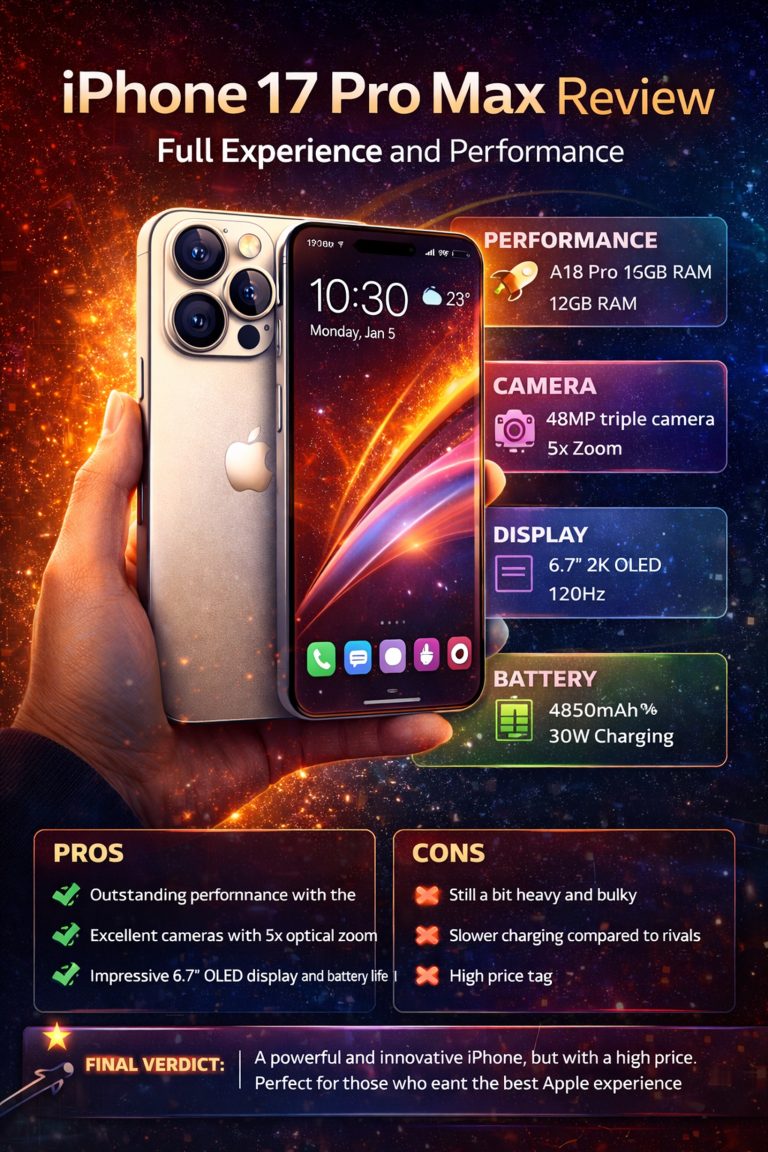
The iPhone 18 Pro tops with its 1-inch sensor and ProRes video. It handles Log shoots for color grading later. One creator used it for a viral beach series, editing 8K clips on-site to hit 1M views fast.
Samsung Galaxy S26 Ultra follows close. Its 200MP cam and AI edits shine for Instagram. Both crush 4K renders in 30 seconds.
Spend $1,200+ for these if quality rules.
The Mid-Range Powerhouses: Best Value for Emerging Creators
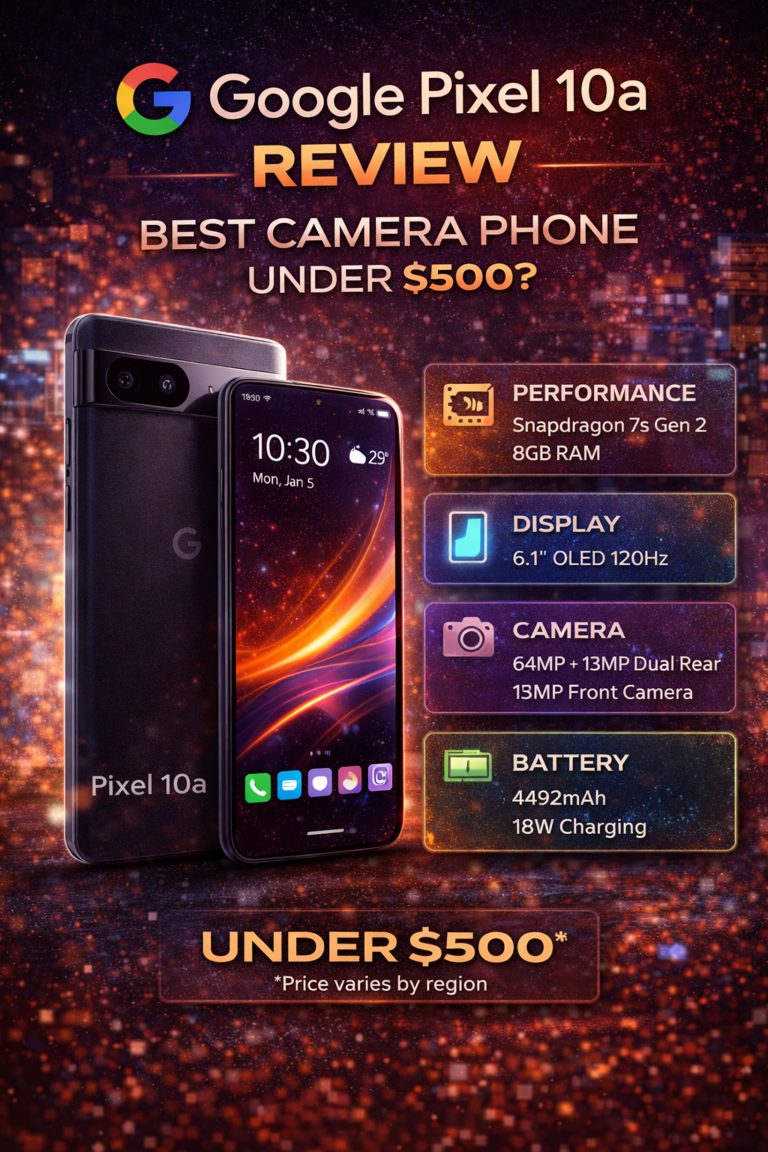
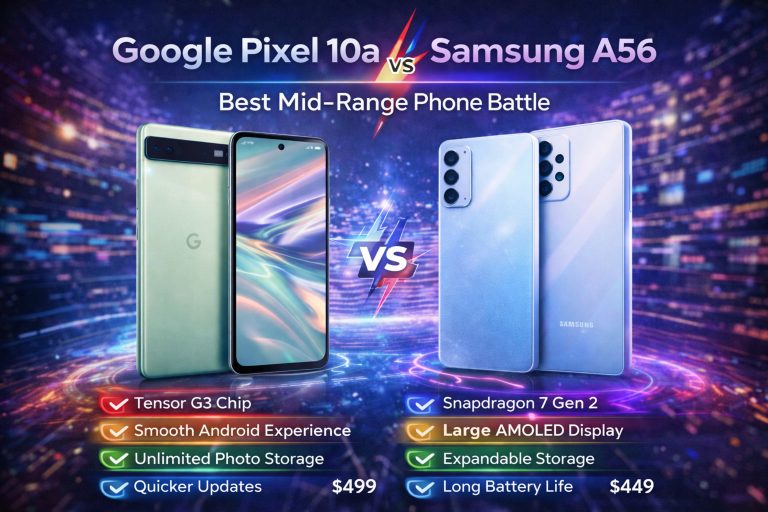
Google Pixel 11 hits 80% of pro power at half price. Solid 50MP cams and strong battery suit 1080p posts. Battery lasts 14 hours, key for newbies grinding trends.
OnePlus 14 adds fast charge and clean Android. Great for photo shares with AI enhancements. Under $800, they pack UFS 4.0 for smooth edits.
These grow with you without breaking bank.
Platform-Specific Considerations (iOS vs. Android Ecosystem Choices)
iOS edges for TikTok integration—seamless exports and iCloud sync. Hardware like LiDAR aids AR filters. Stick if you’re in Apple world.
Android wins on customization. Apps like AI content tools run free, speeding edits. Galaxy’s DeX turns phone to desktop for big-screen tweaks.
Choose by your main apps—iOS for polish, Android for flexibility.
Conclusion: Future-Proofing Your Mobile Content Strategy
The best phones for social media in 2026 nail three things: rock-solid video stabilization, quick edits for fresh ideas, and speedy connections that deliver posts instant. Cameras with big sensors and smart software lead the way, while fast chips and storage handle the rest.
Match your pick to your niche—video pros grab flagships, photo fans go mid-range. Test in store for feel. Upgrade now to stay ahead; your next viral hit waits on the right tool. What phone will you choose? Start creating today.