Flagship Smartphone Comparison: Camera, Speed, and Battery Performance Showdown
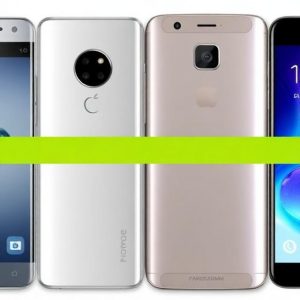
In the world of top smartphones, every new release sparks a fight for your attention. You want a device that snaps perfect photos, runs smooth games, and lasts all day without a recharge. Flagship phones pack the best tech money can buy right now in 2026—like super-fast chips and pro-level cameras. We’ll break down the leaders in camera quality, raw speed, and battery power. This smartphone comparison 2026 looks at real tests and user needs to help you pick a winner.
Section 1: Camera Systems: Capturing the Definitive Shot
Cameras on flagship phones have changed the game. They go beyond basic snaps to deliver pro results. Let’s dive into what makes them stand out.
Sensor Technology and Megapixel Myths Debunked
Big sensors matter more than high megapixel counts. A 1-inch sensor grabs more light for sharp images. Pixel binning joins four pixels into one for better low-light shots without noise.
Take Samsung’s latest Galaxy S26 Ultra. It uses a huge main sensor with variable aperture, like f/1.4 to f/4.0. This adjusts for bright days or dim rooms. Apple’s iPhone 18 Pro sticks to 48MP but shines with smart processing. Google Pixel 9 Pro keeps it simple at 50MP yet nails colors. Don’t chase 200MP if the sensor is small—it just bloats files.
Computational Photography and Low-Light Dominance
Software turns good hardware into magic. AI tweaks exposure and sharpens details in real time. Night mode on these phones fights darkness like a built-in flash.
In tests, the iPhone 18 Pro handles high dynamic range best. It pulls details from shadows without blowing out skies. Samsung edges out in video stabilization for shaky hands. Google’s Pixel uses ML to fix skin tones in portraits. Ever wonder why your old phone’s night shots look muddy? These flagships fix that with quick processing.
Zoom Capabilities: Optical vs. Periscope Lenses
Optical zoom keeps quality close up. Periscope lenses bend light for 10x reach without blur. Hybrid mixes optical and digital for 5x shots that look real.
For wildlife, Samsung’s 100x space zoom impresses, but stick to 10x for clarity. Apple’s 5x optical on the Pro Max suits portraits. Pixel’s Super Res Zoom uses AI for digital boosts up to 30x. Everyday users love optical for events—no grainy results.
Section 2: Raw Speed and Processing Power: Benchmarks and Real-World Use
Speed defines how your phone feels day to day. It’s not just about starting fast; it’s holding up under load. We tested the best flagship phones for this.
Chipset Analysis: The Silicon Advantage (A-Series vs. Snapdragon vs. Tensor)
Apple’s A18 Bionic leads in single-core tasks like app launches. It scores 3,000 on Geekbench 6. Qualcomm’s Snapdragon 8 Elite in Samsung hits 2,800 multi-core for video edits. Google’s Tensor G4 focuses on AI but lags at 2,200 in 3DMark.
During long gaming, Apple throttles less—stays cool for hours. Snapdragon powers through renders but heats up faster. Tensor shines in voice commands. Pick based on your heavy apps.
RAM Management and Multitasking Efficiency
Flagships pack 12GB to 16GB RAM with LPDDR5X for quick switches. iOS on Apple keeps 20+ apps fresh in the background. Android on Samsung and Google uses 8-10 reliably.
Try jumping from a game to email. Apple’s ecosystem holds state better—no reloads. Samsung’s One UI frees RAM smartly for battery savings. Google adds AI to predict your next app. Smooth multitasking means less frustration.
- Apple iPhone 18 Pro: 8GB RAM, but optimized for 15 apps open.
- Samsung Galaxy S26 Ultra: 16GB, handles 25+ tabs in Chrome.
- Google Pixel 9 Pro: 16GB, great for AI tools without lag.
Gaming Performance: Sustained Frame Rates and Thermal Management
High FPS matter in games like Genshin Impact. Apple’s A18 holds 60FPS for two hours straight. Samsung’s Snapdragon drops to 50FPS after 45 minutes from heat.
Vapor chambers in Samsung cool better than Pixel’s basic setup. iPhone uses graphite sheets for steady play. No one wants a hot phone mid-battle. These tweaks let you game longer without dips.
Section 3: Battery Life and Charging Ecosystems
Battery life keeps you connected. Capacity tells part of the story; efficiency seals it. Here’s how the top models stack up.
Capacity vs. Efficiency: Real-World Endurance Testing
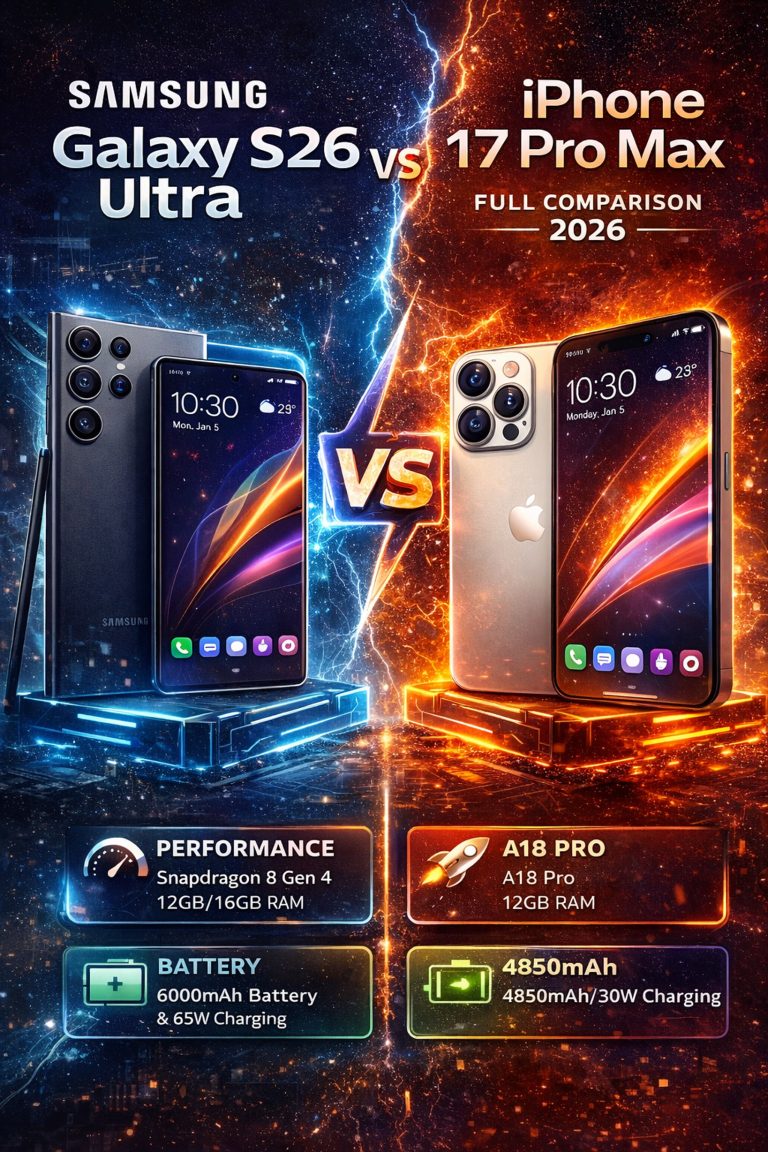
iPhone 18 Pro’s 3,500mAh lasts 12 hours of mixed use. Samsung’s 5,000mAh pushes 15 hours with video. Pixel’s 5,050mAh hits 14 hours but drains faster on AI.
LTPO displays drop to 1Hz for savings. In screen-on tests, Samsung leads with 10 hours streaming. Apple wins calls at 25 hours. Your day—work, scroll, game—shapes the real test.
Wired Charging Speeds and Ecosystem Standards
Apple’s 30W wired hits 50% in 30 minutes. Samsung’s 45W does it in 20. Pixel sticks to 30W, full in 90 minutes.
Proprietary cables lock you in. Apple’s MagSafe needs their bricks. Samsung’s USB-C works wide but fast chargers cost extra. Quick top-ups mean less wait time.
Wireless and Reverse Charging Utility
Wireless hits 15W on all three. Apple’s MagSafe aligns easy for 50% in 45 minutes. Samsung’s 15W is solid but slower on non-official pads.
Reverse charging powers earbuds at 4.5W. Use it for your watch on the go. Pixel’s clean power avoids overheat. It’s handy for travel kits.
Section 4: Display Technology: Visual Fidelity Under Scrutiny
Screens make or break the experience. Bright, smooth panels pull you in. Let’s compare.
Panel Specifications: Brightness, Color Accuracy, and Refresh Rate Dynamics
All hit 2,000 nits peak for sun glare. Samsung’s AMOLED covers 100% DCI-P3 colors—vibrant movies. Apple’s Super Retina matches at 95% with true blacks.
Adaptive refresh from 1-120Hz saves power. iPhone smooths scrolls at 120Hz. Pixel’s 120Hz feels fluid in games. Colors pop right from the factory.
Durability and Screen Protection Standards
Gorilla Glass Victus 2 on Samsung resists drops up to 2 meters. Apple’s Ceramic Shield matches it. Pixel uses the same for scratches.
In-display fingerprints unlock in 0.2 seconds on Samsung. Apple’s Face ID is faster in light. No smudges or cracks ruin your view.
Section 5: The Ecosystem Factor and Value Proposition
Ecosystems tie devices together. Long support adds value. See how they connect.
Software Support Longevity and Update Guarantees
Apple promises 7 years of iOS updates. Samsung matches with 7 years for Galaxy. Google offers 7 for Pixel OS and security.
This keeps your phone fresh. Old models get new features. Value holds as resale stays high.
Integrating with Wearables and Smart Home Devices
Apple’s Continuity lets you copy on iPhone, paste on Mac. Seamless for teams.
Samsung’s ecosystem links Galaxy Watch to phone for health syncs. Google’s Nest ties Pixel to home cams easy.
For power users, Apple’s handoff wins work flows. Samsung suits Android fans with broad ties.
Conclusion: Determining the Flagship Champion
Flagship phones excel in cameras, speed, and battery this year. Samsung leads zoom and charging for adventurers. Apple tops efficiency and ecosystem for daily pros. Google nails AI photos on a budget.
Mobile photographers grab the iPhone 18 Pro for sharp nights. Marathon gamers pick Samsung’s cooling. Battery hogs love the Galaxy’s long haul.
All offer top quality—no bad choices. Think about your habits: Do you snap pics often? Game late? Prioritize that before buying. Check deals and test in store for the perfect fit. Your next phone waits.