How to Choose the Best Smartphone in 2026: The Definitive Buying Guide
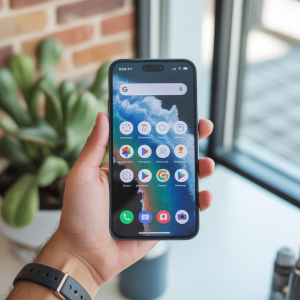
Smartphones change fast. By 2026, AI helps your phone think like a helper. Foldable screens bend without breaking. Batteries last days on one charge. With all these options, picking the right one feels tough. You want a device that fits your life, not just the latest ad.
This guide helps you sort through it all. We break down what matters most. From AI smarts to camera tricks, you get tips to buy smart. No fluff. Just real advice for 2026 buys.
Understanding the 2026 Flagship Landscape and Key Innovations
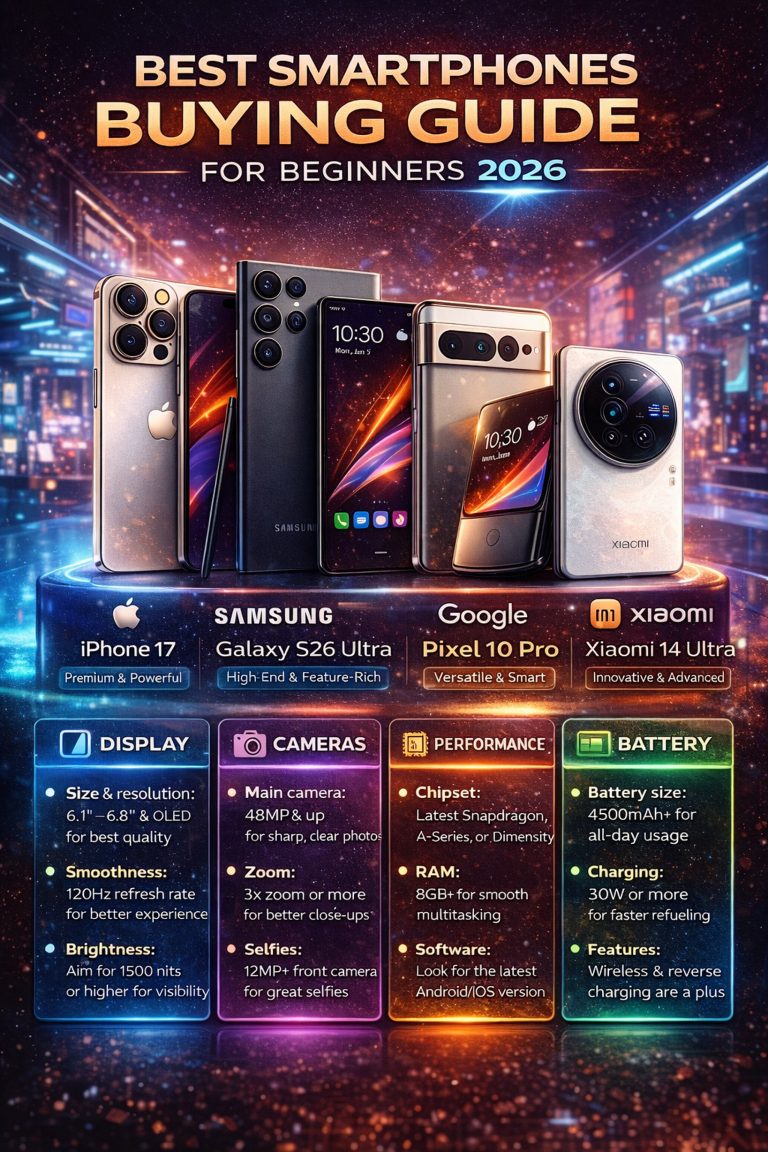
Phones in 2026 push limits. Brands like Samsung, Apple, and Google lead with fresh ideas. They mix hardware and software to make daily tasks easier. You need to know these shifts to pick a winner.
The Impact of On-Device AI Processing Power
AI lives right on your phone now. No need to send data to clouds. Neural Processing Units, or NPUs, handle this. They speed up tasks like instant voice translation during trips.
Look for phones with strong NPUs. Check sites like Geekbench for scores. A top NPU runs AI photo edits in seconds. It saves battery too. Weak ones lag on simple jobs.
In 2026, AI spots patterns in your habits. It suggests apps before you ask. Pick a phone where AI feels helpful, not pushy.
Display Technology Evolution: Beyond Refresh Rates
Screens get brighter and sharper. Micro-LED tech cuts power use while boosting color pop. Refresh rates hit 180Hz for smooth scrolls.
Under-display cameras hide front lenses. No notch blocks your view. Brightness reaches 3000 nits for sunny days.
Think about AR apps. A great screen makes virtual try-ons feel real. Test displays in stores. Smooth motion matters for videos and games.
Next-Generation Connectivity: 6G Readiness and Satellite Integration
5G rules now, but 6G starts rolling out. It promises speeds ten times faster. Phones ready for it handle big downloads quick.
Satellite links save you in remote spots. Send texts when no towers nearby. But costs extra data plans.
Daily use? Stick to strong 5G for now. Check carrier support. 6G shines for future-proof picks.
Performance Metrics That Matter for Longevity
Speed drops over time if hardware lacks. Focus on parts that last years. You want a phone smooth in 2030 too.
Processor Architecture: Efficiency vs. Raw Speed
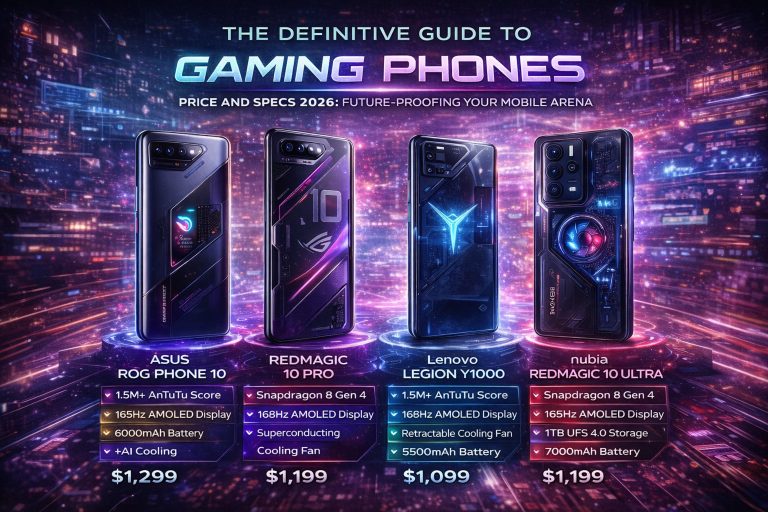
Chips like Snapdragon 8 Gen 4 balance power and heat. Raw speed crushes games. But efficiency keeps cool during long sessions.
Thermal throttling slows hot phones. Test with apps like 3DMark. Look for chips under 10% drop after 30 minutes.
Gaming or editing? Prioritize efficiency. It means less fan noise on accessories.
RAM and Storage Tiers: Future-Proofing Your Workflow
16GB RAM handles 20 tabs plus edits. Less causes stutters. 8GB works for basics.
Storage jumps to UFS 5.0. It loads apps twice as fast. For 8K videos, grab 512GB min.
- Basics: 128GB for emails and photos.
- Creators: 1TB for raw files.
- Tip: Cloud backups free space.
Match to your needs. Don’t overpay for extras you skip.
Battery Life and Charging Ecosystems
Solid-state batteries hold 20% more juice. They charge to 80% in 15 minutes. 200W speeds beat rivals.
But health fades with fast charges. Brands add limits to preserve cells. Aim for 500 cycles before 80% capacity.
Wireless options hit 50W. Pick based on your routine. Long days need 5000mAh plus.
Mastering Mobile Photography in the Computational Era
Cameras beat DSLRs for most. AI does the heavy lift. Megapixels? Old news. Focus on smart sensors.
Sensor Size and Optics: The New Quality Benchmark
1-inch sensors catch more light. Night shots glow without flash. Variable apertures adjust for scenes.
Optical stabilization cuts shakes. Walk and film steady video. Premium phones nail this.
Test in low light. Big sensors win over tiny ones every time.
Computational Photography and Generative AI Features
AI removes photobombers easy. It boosts colors in dull shots. Subject isolation blurs backgrounds perfect.
Compare raw vs. edited. AI turns meh moon shots into stars. Low-light magic fills dark rooms with detail.
Generative tools add elements. Like sunny skies to gray days. Use wisely to keep shots real.
Video Capabilities: Log Profiles and Professional Workflows
ProRes RAW records on phones now. Edit colors later in apps. Log profiles save dynamic range.
Content makers check codec support. External mics plug in via USB-C. 8K at 60fps smooths action.
Tip: Pair with gimbals for pro looks. Phones rival cameras for YouTube.
Operating System Ecosystems and Software Support
OS ties it together. Android or iOS? Updates keep you safe. Pick for your setup.
Software Update Commitments and Security Patches
Google promises 7 years now. Samsung matches. Apple hits 6-7 too.
This means fixes till 2033. Old phones risk hacks. Check policy on brand sites.
Long support boosts resale. Don’t buy short-term deals.
Ecosystem Integration: Wearables, Desktops, and Cross-Device Flow
Apple’s Continuity shares screens seamless. Android’s Nearby Share zips files fast.
Link watches and laptops. Notifications sync across. It saves time in busy days.
Lock-in? Weigh if you own other gear. Mix works but frustrates.
Customization and Privacy Controls
Android skins let you tweak icons deep. iOS stays clean with focus modes.
Privacy dashboards show app access. Block trackers easy. EU rules push this standard.
Choose based on control level. Simple or full tweak?
Budget Segmentation: Finding Value Across Price Tiers
Flagships cost $1000 plus. But value hides lower. Match budget to must-haves.
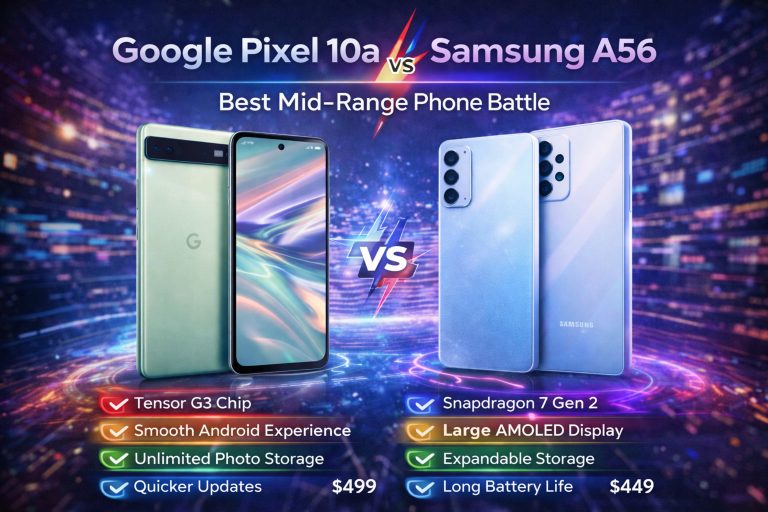
The Premium Mid-Range Contenders ($500 – $800)
These pack AMOLED screens and 120Hz. Battery hits all-day easy. Cameras skip weak telephotos.
Build uses plastic backs. Still tough with IP68 rating. Google Pixel A-series shines here.
Save cash without big losses. Great for most users.
The Entry-Level Powerhouses (Sub-$500)
Expect LCD screens and 90Hz. Cameras handle social posts fine. 4000mAh batteries last.
Prioritize update promises. Nokia or Moto offer 3-4 years. Avoid no-support junk.
Core calls and streams? These deliver. Don’t chase extras.
Form Factors: Foldables vs. Traditional Slabs
Foldables drop creases. Hinges last 200k folds. Prices hit $1000 from $2000.
Utility? Multitask with split screens. Watch and type big.
Slabs fit pockets better. Test folds in person. Match to your habits.
Conclusion: Finalizing Your 2026 Smartphone Purchase Decision
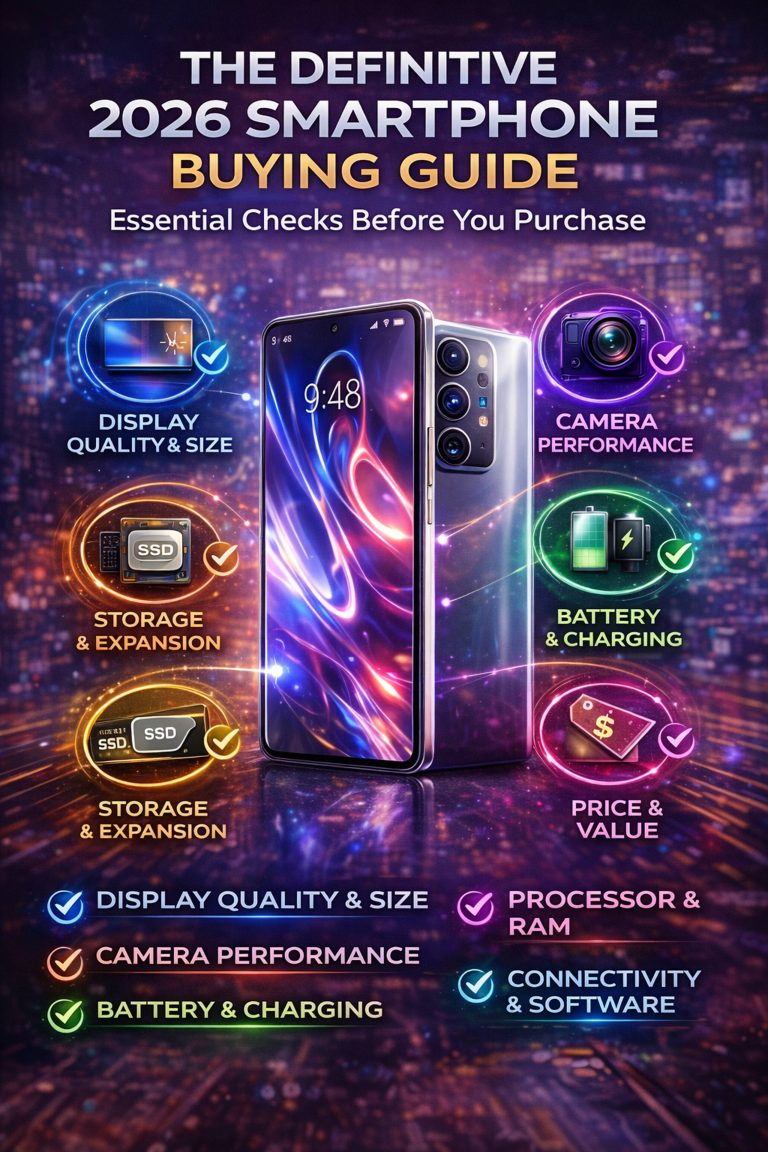
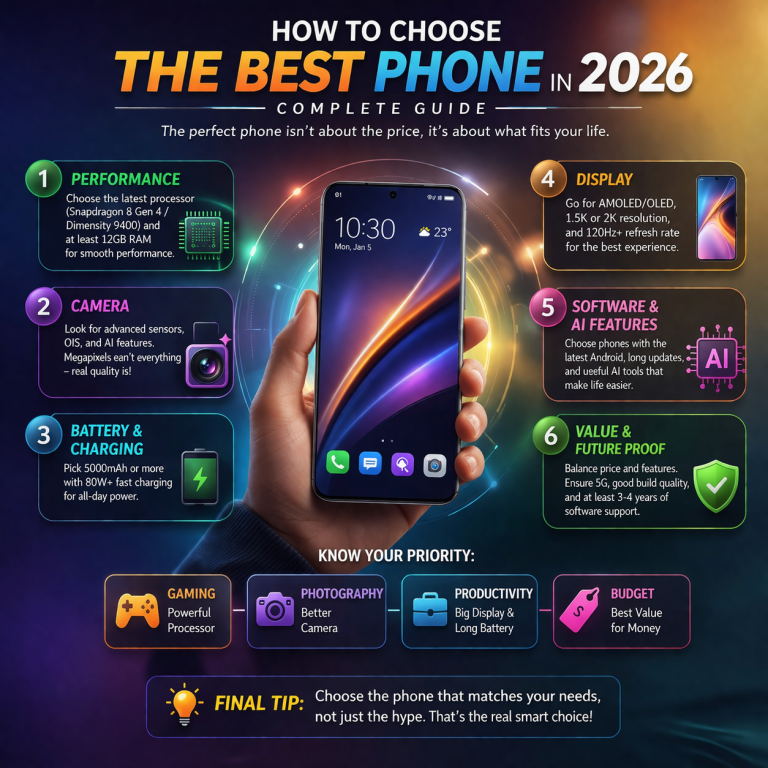
Choosing a 2026 smartphone boils down to three things. First, performance that lasts years. Second, cameras for your shots. Third, ecosystem that fits your world.
This guide arms you to decide. You now spot real value past hype.
Before you buy, do these steps:
- Benchmark the NPU on review sites.
- Confirm IP rating for dust and water.
- Verify update years from the maker.
Grab your best smartphone in 2026. It powers your days ahead. Happy hunting!