Foldable Phones Buying Guide 2026: Is the Hype Real?

Remember when foldable phones first hit the scene? They felt like fun toys, not real phones. But now, in 2026, things have changed fast. Sales jumped 25% last year, and experts predict foldables will claim 15% of the smartphone market by year’s end. You might still wonder if they’re worth the cash. This guide breaks it down. We’ll look at designs, power, cameras, costs, and who needs one. By the end, you’ll know if a foldable fits your life.
Foldable Form Factors: Clamshell vs. Book Style in 2026
Foldables come in two main shapes. Each fits different needs. Let’s compare them so you pick right.
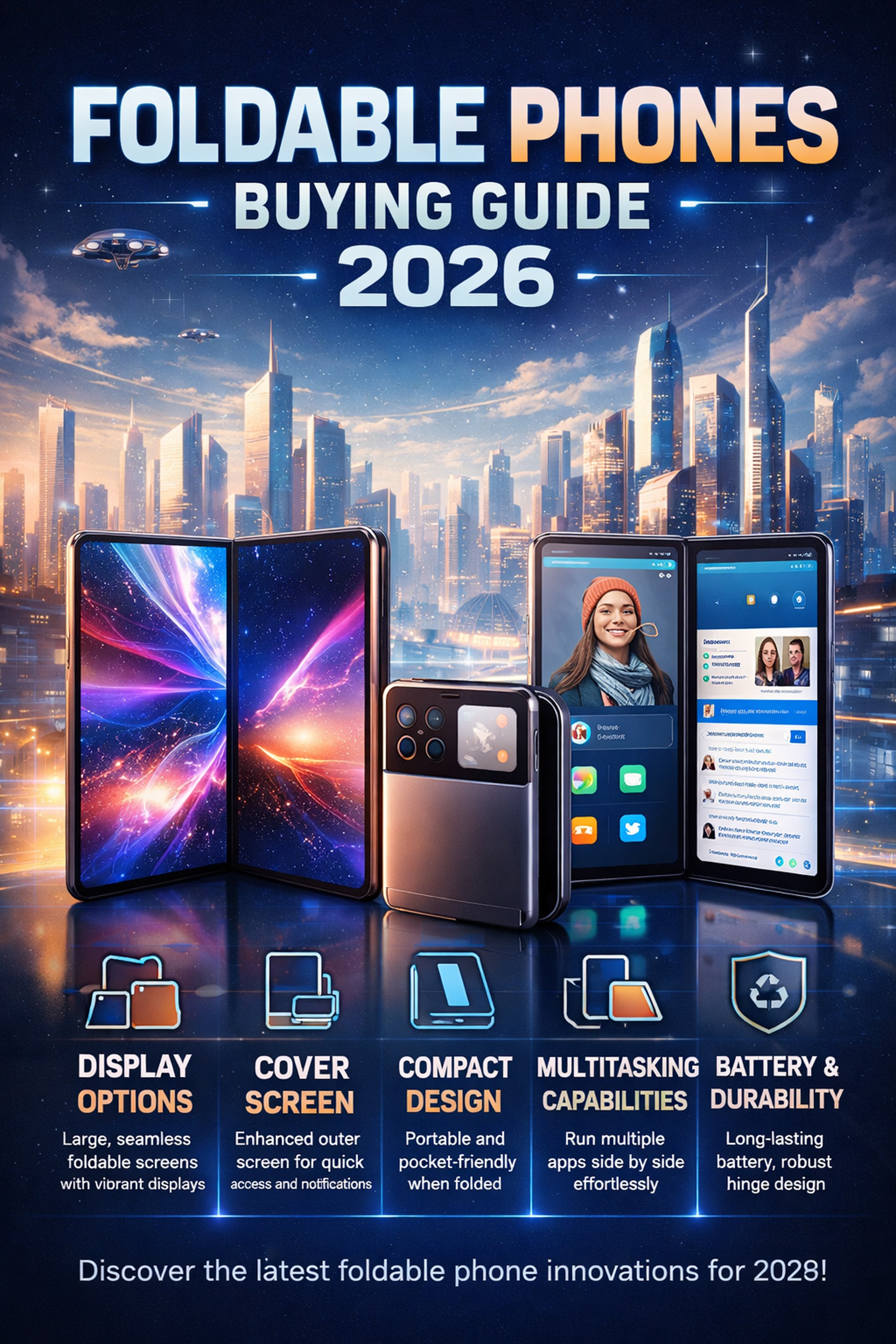
The book style unfolds into a small tablet. It shines for work on the move. You can split the screen for emails and notes at once. Or watch videos without squishing. Hinges now last over 200,000 folds, up from 100,000 a few years back. Gaps between screens? Mostly gone now. Brands like Samsung fixed that with better seals.
Clamshell designs stay compact. They flip open like old flip phones. Perfect if you want something pocket-friendly. Cover screens got smarter. They run full apps now, not just basics. Widgets show quick info, like weather or texts. Fashion fans love the slim look. It pairs well with outfits.
Hinge strength and screen creases improved a lot. Most phones promise 300,000 cycles without breaks. That’s years of daily flips. Ultra-thin glass cuts crease lines. You barely see them in bright light. Tests show less wear after a year. Pick based on your day. Book for big tasks. Clamshell for easy carry.
Performance Metrics and Software Optimization
Foldables pack strong guts now. They handle daily use like top phones. No more lag from the fold.
Chipsets lead the pack. Snapdragon 8 Gen 4 or Apple’s A19 run smooth. Heat stays low during long sessions. You fold out for games or edits. Throttling drops only 10% under load, better than 2024 models. Multitasking feels natural.
Software makes it work. Android 16 adds smart splits. Apps resize on the fly. iOS 20 does the same for iPads vibes on phones. Adobe apps split tools across screens. Games like Genshin Impact adapt to dual views. Continuity keeps work going as you fold.
Battery worries eased up. Denser cells hold more juice. A 4,500mAh pack lasts 8 hours unfolded. That’s with streaming and apps open. Efficiency rose 20% thanks to better chips. You charge less often. Foldables feel like main phones now.
Camera Systems: Closing the Gap with Traditional Flagships
Cameras used to lag in foldables. Not anymore. They match big phones in 2026.
Under-display cams matured. The inner selfie shooter looks sharp in sun. Low light cuts grain by half. Pixels hit 32MP with good color. No more blurry folds for group shots.
Telephoto lenses fit tight spaces. Periscope zooms reach 5x without shake. Samsung and Oppo nailed optical quality. No big trades off. You get clear distant pics. Huawei pushes 10x in premiums.
The fold helps unique shots. Use the cover screen as a mirror. Main rear cams snap pro selfies. Angle it just right. Vloggers love this. Tips: Lock focus on eyes. Steady your grip. Light from behind works best. Foldables turn you into a better shooter.
The Cost of Entry and Longevity Considerations
Prices dropped a bit. But foldables still cost more. Think about the full picture before buying.
Tiers spread out in 2026. Premiums like Galaxy Z Fold7 hit $1,800. Mid-range options, say Motorola’s, start at $900. Budget ones from OnePlus dip to $700. Compare specs: They match non-folds at half the bend. You get flag power for the price.
Fixes cost extra. Inner screen swaps run $600 out of warranty. That’s double a normal phone’s $300. Hinges add $200 more. Analyst say repairs rose 15% yearly. Buy with care plans.
Resale holds steady now. Foldables keep 60% value after two years. Better than before. Quick tech shifts hurt less. Trade-ins from Apple or Google give good deals. Weigh long-term bucks.
Who Should Buy a Foldable Phone in 2026? (User Archetypes)
Not everyone needs a fold. Match it to your habits. Here’s who wins.
Productivity folks thrive with book styles. Split apps for work emails and docs. It’s like a mini laptop in your bag. Go for Samsung or Google if you code or edit.
Tech fans grab early. Samsung leads bold folds. OnePlus offers safe bets with solid builds. Test in stores. Feel the hinge click.
Media lovers get big screens for fun. Games pop unfolded. Streams fill your view. Battery dips, so pack a charger. Balance play time.
Wait if you’re tight on cash. Traditional phones win for pure value. Cameras top out better on slabs like iPhone 17. Or if you drop stuff often. Sturdiness matters more.
Conclusion: Final Verdict on the Foldable Investment
Foldables grew up by 2026. Hinges last longer. Software flows smooth. Prices even out. They suit pros and fans, not all.
Key takeaways:
- Check durability: Aim for 200,000+ fold ratings.
- Test software: See if apps split well for you.
- Crunch costs: Factor repairs against daily wins.
- Match your needs: Book for work, clamshell for ease.
Foldables moved past hype. They’re real options for many. If it fits your routine, grab one. You’ll wonder how you lived without the fold. Ready to upgrade? Check top picks and dive in.