Android vs iPhone 2026: Full Specs Comparison, Gaming Performance, and the Ultimate Camera Battle
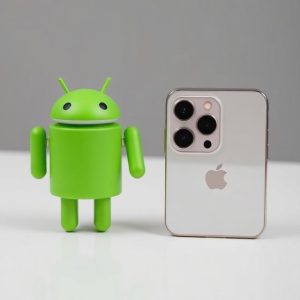
The Android vs iPhone debate never ends. It shapes how we pick our next phone. In 2026, things heat up with big jumps in AI smarts, faster chips, and brighter screens. You might wonder which side pulls ahead this year.
This piece breaks it down for you. We look at top phones from both worlds. Expect details on hardware, software feel, gaming power, and camera skills. By the end, you’ll know what fits your needs.
Section 1: Core Hardware and Design Philosophy in 2026
Flagship phones in 2026 push limits on build and guts. Android and iPhone chase different goals. One side bets on variety. The other sticks to tight control.
1.1 Chipset Wars: Silicon Supremacy (A-Series vs. Snapdragon/Tensor)
Chips rule phone speed. Apple’s A20 series hits sub-2nm tech. It cranks out raw power for tasks like video edits. Expect CPU scores over 5,000 in Geekbench tests. GPU handles heavy loads without a sweat.
Android goes wild with options. Snapdragon 8 Gen 5 or Tensor G4 lead the pack. They match Apple’s punch but add AI tricks. NPUs shine here. Google’s chip focuses on voice tasks. Qualcomm boosts photo edits. Both hit 4-5 TFLOPS in AI math.
You get choice on Android. Pick for gaming or daily use. iPhone keeps it simple. One chip fits all.
1.2 Display Technology Evolution: Refresh Rates and Brightness Wars
Screens get smarter in 2026. LTPO 4.0 tech rules both sides. It shifts rates from 1Hz to 144Hz. Saves battery on static views. Smooth scrolls feel like butter.
Brightness climbs to 3,000 nits. HDR pops in movies. Outdoor sun loses its glare battle. Android flagships like Samsung Galaxy S26 lead with micro-LED hints. iPhone 18 Pro matches but adds always-on tweaks.
Under-display cameras mature. No notch on premium models. Selfies hide behind pixels. Android pushes curved edges. iPhone stays flat for easy grip.
1.3 Build Materials and Durability Predictions
Phones feel tougher now. Ceramic glass covers both fronts. It shrugs off drops better than old Gorilla Glass. Frames use titanium or recycled alloys. Light yet strong.
IP69 ratings become norm. Full dust seal. Submerge in water for hours. Android adds fun colors. iPhone sticks to safe blacks and whites.
You notice the weight drop. Under 200 grams for most. Handles last longer too. Expect five years of updates standard.
Section 2: Operating System Maturity: iOS 20 vs. Android 16
Software ties it all together. iOS 20 and Android 16 both mature. They fix old pains. Add fresh tools.
2.1 Ecosystem Integration and Cross-Device Functionality
Apple’s world locks you in. Handoff lets you start on phone. Finish on Mac. Clipboard shares text fast. AirDrop flies files between devices.
Android opens doors wider. Link to Windows easy. Drag files from phone to PC. Smart home ties run smooth with Google or others. Pick your hub.
You choose on Android. Mix brands without fuss. iPhone keeps it family-style. All Apple gear talks best.
2.2 AI Integration: On-Device Processing vs. Cloud Reliance
AI lives on your phone now. iOS 20 runs tasks local. Privacy stays safe. Generate images offline. Siri gets smarter with context.
Android 16 leans on Gemini. Cloud power for big jobs. But Tensor cores handle basics fast. On-device voice typing flies. Edit photos with AI hints.
Apple edges privacy fans. Android suits heavy users with net access. Both cut wait times from years past.
2.3 Customization, Sideloading, and App Store Control
Rules change with laws. EU forces side apps on both. iOS 20 adds widget walls. Launchers stay basic.
Android 16 keeps it free. Themes, icons, grids. Your home screen, your rules. Sideloading easy from day one.
You tweak Android deep. iPhone lets you dip a toe. Balance safety with fun.
Section 3: The 2026 Camera Showdown: Sensors, Processing, and Video
Cameras steal the show. 2026 models snap pro shots. Android piles on lenses. iPhone blends tech smart.
3.1 Sensor Size and Megapixel Reach: The Hardware Race
Big sensors win low light. 1-inch types standard on pros. Gather more light. Less blur at night.
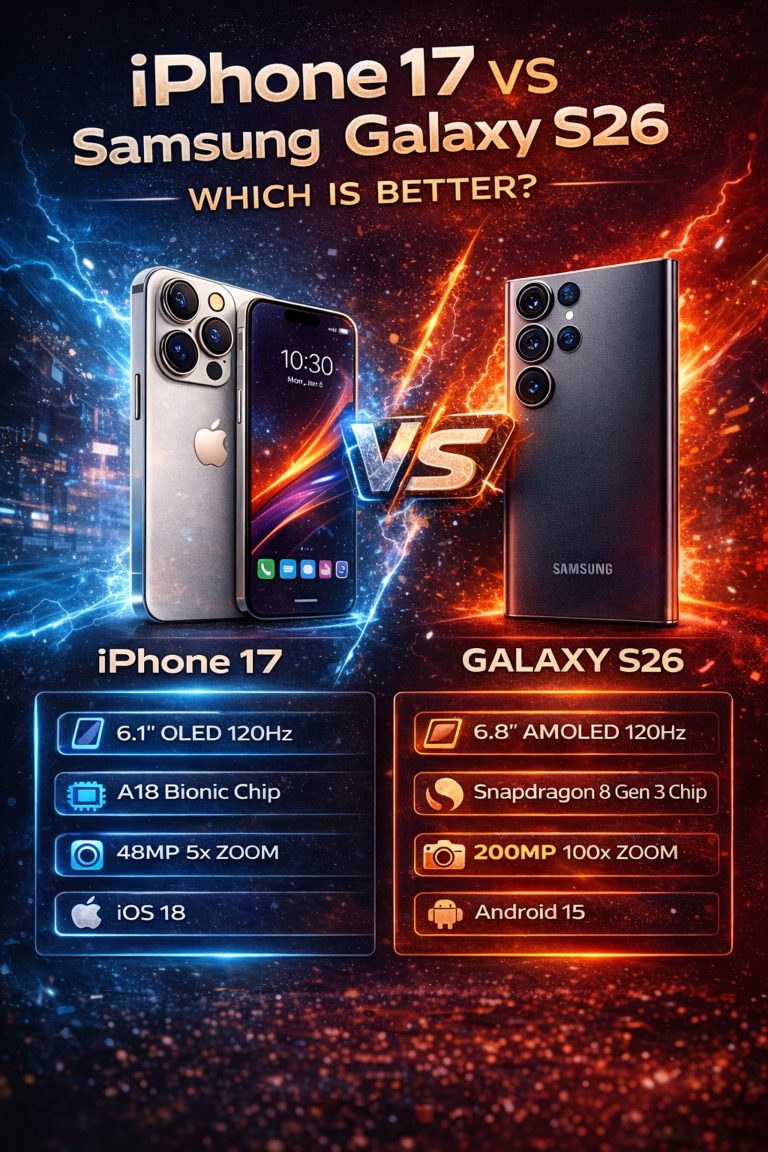
Android hits 200MP mains. Pixels stack for detail. Samsung leads the count. iPhone sticks to 48MP. But computation makes them punch up.
Trade-offs show. High MPs mean file bloat. Apple’s way saves space. You pick for zoom needs.
3.2 Computational Photography and Fusion Techniques
Brains behind the lens evolve. Real-time HDR blends shots. No overblown skies.
Low-light noise drops. AI spots scenes fast. Pets in dark? Clear eyes now.
iPhone’s ISP fuses pixels magic. Android adds night modes with extras. Like astro shots on Google Pixel.
You get tools for any shot. Predict capture grabs smiles before they fade.
3.3 Video Dominance: Pro-Res Equivalents and Cinematic Modes
Video hits 8K at 60fps. Stable as a gimbal. Dynamic range captures sunsets true.
iPhone owns ProRes. Edit raw on phone. Pros love the flow.
Android matches with LOG profiles. Manual tweaks abound. Sony Xperia gives cinema controls.
iPhone wins ease. Android for tinkerers. Both shake old limits.
Section 4: Mobile Gaming Performance Benchmarks
Games run like consoles now. 2026 chips push frames high. Heat stays low.
4.1 Graphics API Optimization: Vulkan vs. Metal 3
Metal 3 squeezes Apple’s hardware. Games like Genshin hit 120fps steady.
Vulkan spreads wide on Android. Supports many chips. Titles optimize for all.
Developers pick Metal for peak speed. Vulkan for reach. You feel it in load times.
4.2 Thermal Management and Sustained Performance
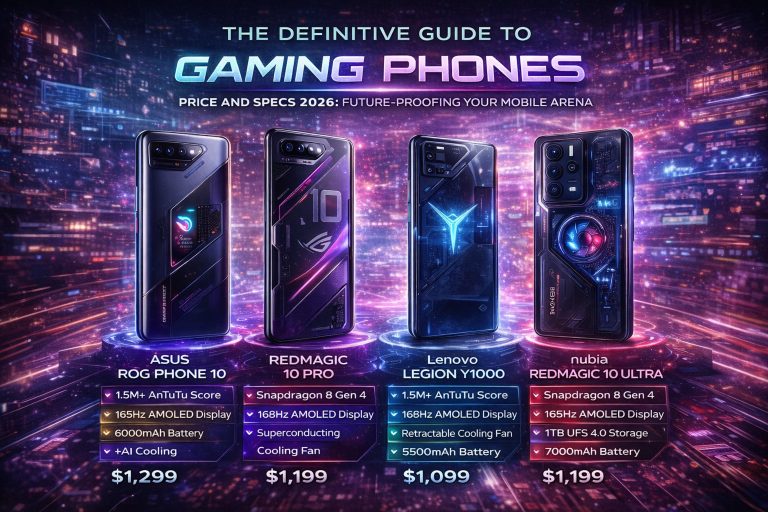
Cooling matters in long sessions. Android uses vapor chambers. Heat spreads out.
iPhone stacks parts tight. Fans stay quiet. Sustained 60fps in COD Mobile.
Burst peaks favor Android. But iPhone holds steady. No throttle after 30 minutes.
4.3 Ray Tracing and Graphics Fidelity in Mobile Titles
Ray tracing adds real shadows. 2026 GPUs handle it light. Shadows dance in PUBG.
Flagships push it. Apple’s ray cores shine in exclusives. Android titles like Asphalt 9 glow.
Viability grows. Battery sips power. You play hours with lifelike worlds.
Section 5: Battery Life and Charging Infrastructure
Power lasts longer. Charges zip fast. 2026 sets new bars.
5.1 Battery Density and Efficiency Gains
Solid-state batteries hint. More juice in same space. 5,000mAh norms.
OS tweaks save power. AI dims screens smart. Expect 10 hours screen time.
iPhone squeezes more from less. Android varies by maker. Efficiency ties close.
5.2 Charging Speeds: Wireless and Wired Standards
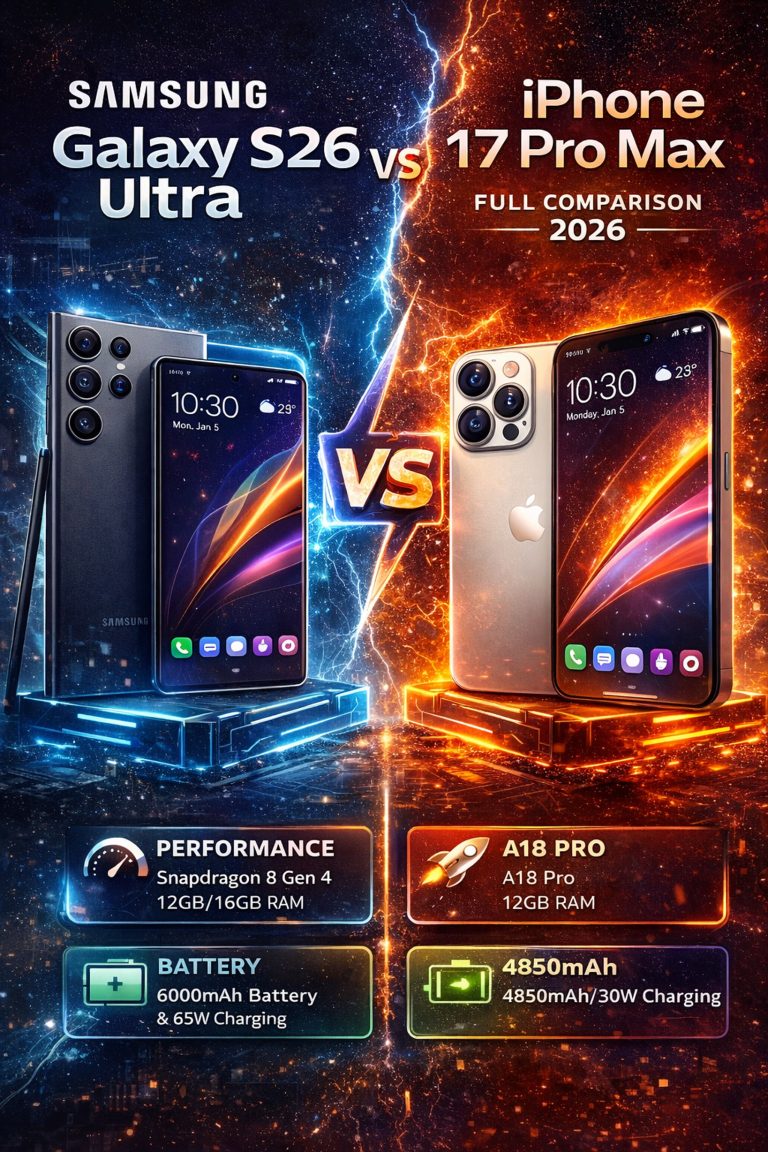
Wired hits 120W on Android. Full in 20 minutes. iPhone caps at 40W safe.
Wireless MagSafe at 25W. Qi2 standard now. Both top up fast.
Android leads speed chasers. iPhone builds trust in heat control.
Conclusion: Making the Right Choice in 2026
Android vs iPhone 2026 boils to your style. Android offers tweak freedom, quick charges, open vibes. iPhone nails smooth software, steady power, video ease.
Power users grab Android. Flex hardware fits wild needs. Creatives pick iPhone. Video workflows flow best. Everyday folks? iPhone’s simple life wins long-term.
Think what you do most. Game heavy? Test Android benchmarks. Snap clips? iPhone cameras rule. Your pick shapes the year ahead. Ready to upgrade? Check stores now.