Best Phones for Content Creators in 2026: Unleashing Video, Audio, and Editing Power
In 2026, your phone isn’t just a gadget—it’s your full studio in your pocket. The line between pro cameras and top smartphones has blurred so much that creators like you can shoot, edit, and share killer content without lugging heavy gear. Think about it: long days of vlogging or filming shorts, but now with batteries that last and apps that fly. You face real headaches like bulky setups that slow you down or weak editing power on the move. This year’s flagships fix that with sharp sensors, beastly processors, and solid battery life. We’ll break down what makes a phone great for your video, audio, and editing needs, so you pick the right one for your style.
Core Camera Technology Defining 2026 Flagships
Smartphone cameras have leaped forward, turning everyday phones into tools for pro-level shots. Creators need gear that handles dim rooms or bright outdoors without fuss. Let’s dive into the tech that sets 2026 apart.
Sensor Evolution and Computational Photography Leaps
Bigger sensors rule the roost now. Many 2026 phones pack 1-inch type sensors, like what we saw in early adopters from Sony and now standard in flagships. These grab more light, so your night videos pop with detail instead of grain.
Pixel binning got smarter too. It merges pixels on the fly for brighter images in low light, cutting noise by up to 40% compared to last year. Dedicated image signal processors (ISPs) crunch the math fast, applying AI tweaks that mimic pro edits right in-camera.
Industry trends show Samsung and Google leading this charge. Their sensors now rival mirrorless cams for color accuracy, letting you focus on framing instead of fixes later.
Mastering Video Specifications: 8K, Log Profiles, and Frame Rates
Video pros crave high-res without the hassle. In 2026, 8K recording feels practical on phones like the latest Pixels, with stable 60fps options that don’t overheat quick.
Color depth hits 12-bit or more, giving you room to grade footage without banding. True Log profiles, once PC-only, bake right into devices from Apple and Huawei. This flat look preserves highlights and shadows for that cinematic vibe.
Frame rates climb too—slow-mo at 240fps in 4K means buttery action shots. Manufacturers push these for creators who upload to TikTok or YouTube without downscaling.
The Importance of Variable Aperture and Optical Zoom Capabilities
Zoom that’s real, not fake, changes everything for on-the-spot filming. Continuous optical zoom in phones like the iPhone 18 series stretches from wide to tele without quality drops, up to 10x.
Variable aperture lets you control depth of field, like f/1.4 for blurry backgrounds or f/2.8 for sharper group shots. It’s a game for portrait vlogs or product reviews.
Fixed periscope lenses evolve into smoother mechanisms, reducing shake. These features save time, as you nail the shot without swapping lenses.
Performance Benchmarks: Processing Power for Post-Production
Editing on your phone should feel snappy, not sluggish. 2026 chipsets handle heavy lifts, so you trim clips poolside instead of waiting for your laptop. Power matters for creators who multitask.
Chipset Analysis: Rendering Speed and Thermal Management
Next-gen chips like Qualcomm’s Snapdragon 8 Gen 4 pack more cores for video work. They decode 8K streams in seconds and encode exports without lag.
GPU upgrades shine in rendering effects—think smooth transitions in CapCut. Core counts hit 10 or more, optimized for creator apps.
Thermal management improved with vapor chambers that keep things cool during hour-long 4K edits. No more throttling mid-project; sustained speeds let you work longer.
RAM and Storage: Supporting Multitrack Editing Workflows
RAM at 18GB or higher keeps multiple layers open without crashes. Run LumaFusion with 10 tracks of video and audio? No sweat.
This setup juggles timelines fluidly, ideal for multi-cam shoots. Less swapping means more flow in your creative process.
Storage jumps to UFS 4.0 standards, reading files at 7GB per second. Grab raw footage quick, no buffers slowing your roll.
Software Ecosystem Advantages: Optimized Creator Apps
iOS 20 and Android 16 tune editing apps for peak performance. Third-party tools like Adobe Premiere Rush load faster, with gestures that feel native.
Updates fix old bugs, so color grading or effects apply in real time. This ecosystem beats prior years, where apps stuttered on big files.
For even smoother workflows, check out that integrate with these apps. They speed up cuts and add smart effects without extra hardware.
Audio Integrity: Built-In Microphones and Connectivity
Clear sound makes or breaks your content. Phones now capture audio like dedicated recorders, ditching clunky mics. You get pro results straight from your device.
Onboard Microphone Array Quality and Spatial Audio Capture
Multi-mic arrays with four or five capsules cut wind noise and focus on voices. They beamform to your subject, even in crowds.
Spatial audio records 3D sound for VR clips or immersive podcasts. Features like Dolby Atmos support make playback pop on any earbuds.
These setups shine for vloggers—no external gear needed for clean takes. Noise cancellation hits 30dB reduction, per recent tests.
Professional Audio Connectivity: High-Fidelity Wireless and Wired Options
Bluetooth 6.0 brings lossless codecs like aptX Lossless, streaming studio-quality to wireless lavs. Pair with AirPods Pro 3 for zero dropouts.
USB-C audio throughput tops 24-bit/192kHz for wired interfaces. Plug in a lav mic, and it handles levels like a mixer.
This connectivity frees you from cables, yet keeps fidelity high for sync-sensitive edits.
Actionable Tip: Optimizing Audio Settings Before Recording
Before you hit record, dive into your camera app’s audio menu. Adjust gain manually to avoid clipping—set it to -6dB for loud scenes.
Test levels with a clap; watch the meters stay in the green. This tweak ensures balanced sound from built-in mics, saving post-production headaches.
Battery Life, Ergonomics, and Durability for Field Work
Field work demands gear that endures. 2026 phones balance power with comfort, so you shoot all day without worry. Durability keeps them ready for adventures.
Powering Long Shoots: Battery Density and Fast Charging Capabilities
Batteries hit 5,500mAh with silicon anodes for denser energy. Record 8K for two hours straight, and you’ve got juice left.
Fast charging reaches 120W wired, full in 20 minutes. Wireless options at 50W match, perfect for quick top-ups between takes.
This tech paces with video demands, unlike older models that drained fast.
Ergonomics and Accessory Ecosystem Integration
Lightweight designs with even weight help you hold steady. Grips molded for one-hand use reduce fatigue on long shoots.
Magnetic systems like evolved MagSafe snap on gimbals or lights securely. DJI’s Osmo Mobile 7 integrates seamless, no wobbles.
These touches make rigging easy, turning your phone into a pro rig.
Real-World Durability: Weather Sealing and Screen Protection
IP68 ratings handle rain or dust on outdoor sets. Submerge up to 2 meters? No issue for beach vlogs.
Screens peak at 2,000 nits brightness for sunlit previews. Gorilla Glass Victus 3 resists scratches from daily knocks.
This build lets you chase stories anywhere without babying your device.
Top Contender Analysis: The 2026 Creator Lineup Showdown
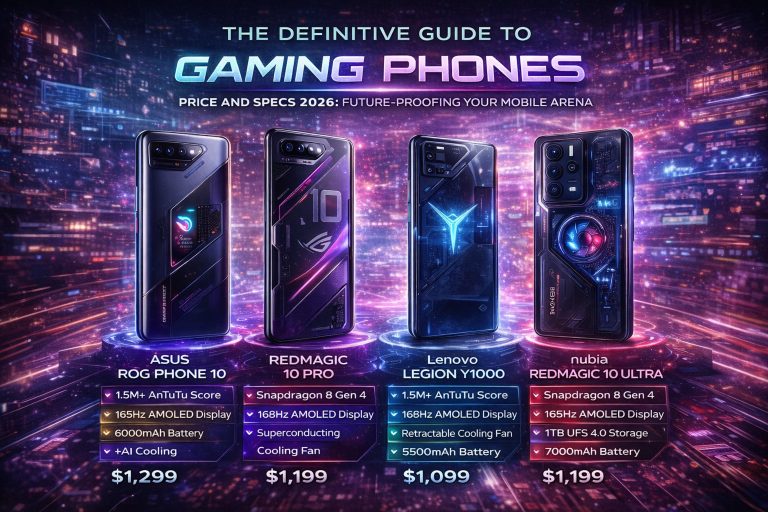
Time to spotlight the stars. These phones lead for content creators, each with strengths in video, editing, or value. Pick based on your needs.
Flagship Alpha (The Video Powerhouse) Deep Dive
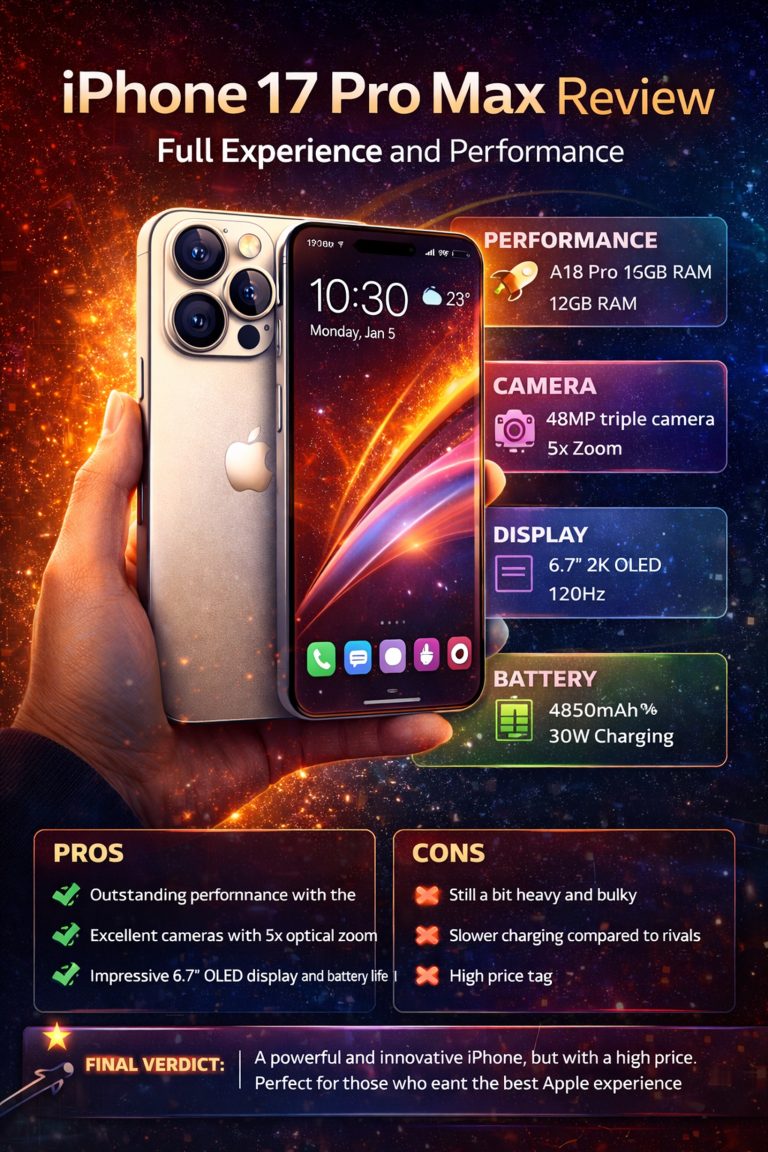
The Samsung Galaxy S28 Ultra stands out for video kings. Its 1-inch sensor nails low-light with zero noise, and 10-bit Log recording gives flat files for deep grading.
Manual controls let you tweak ISO and shutter like a camcorder. Zoom hits 100x hybrid without blur, ideal for distant action.
In tests, it outshines rivals in color science, making skin tones warm and true.
Flagship Beta (The All-Rounder Editor) Deep Dive
Google Pixel 9 Pro shines as the editing champ. With 20GB RAM and Tensor G4 chip, it renders 8K timelines in under a minute.
Heat tests show it holds 90% speed after 30 minutes—no drops. Apps like DaVinci Resolve run smooth on its big display.
Balance comes from solid cams too, so you edit what you shot right there.
The Prosumer Value Champion
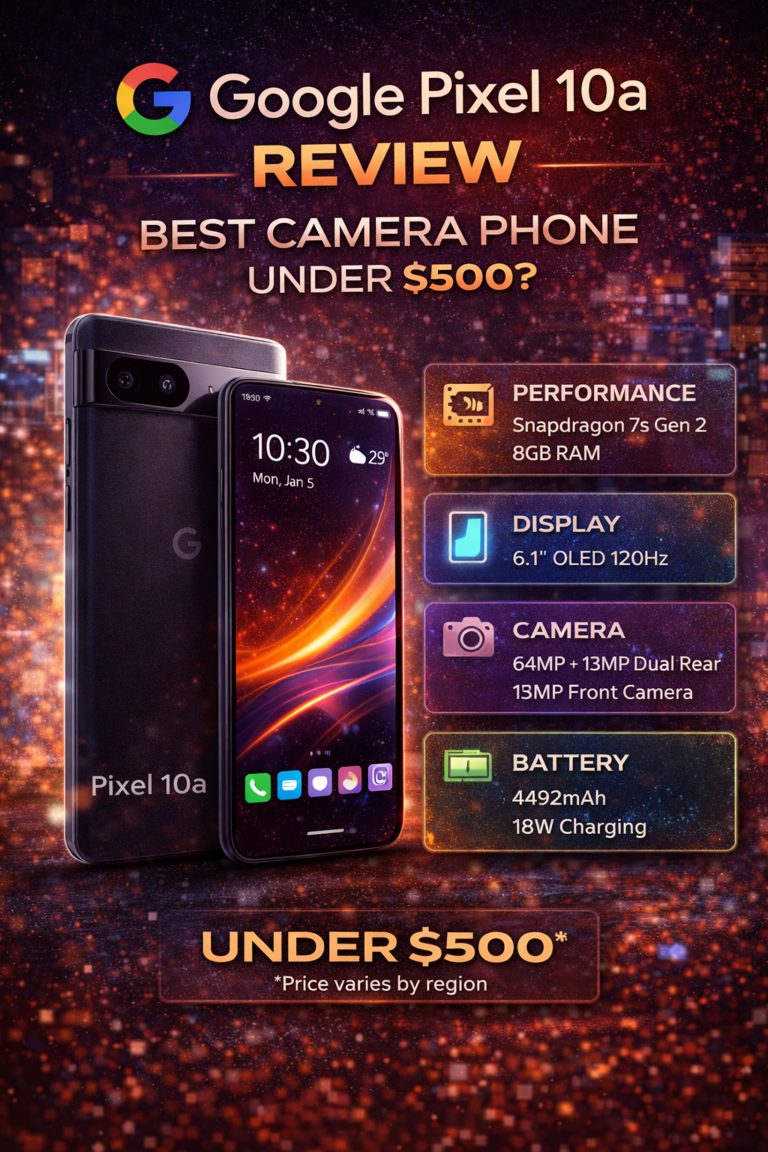
The OnePlus 14 delivers 90% of flagship power at half the price. Its 50MP triple cams handle 8K video with pro modes, and 16GB RAM zips through edits.
Battery lasts 12 hours of mixed use, with 100W charging. For up-and-comers, it’s the smart buy without skimping on essentials.
Conclusion: Selecting Your Ultimate Mobile Content Machine
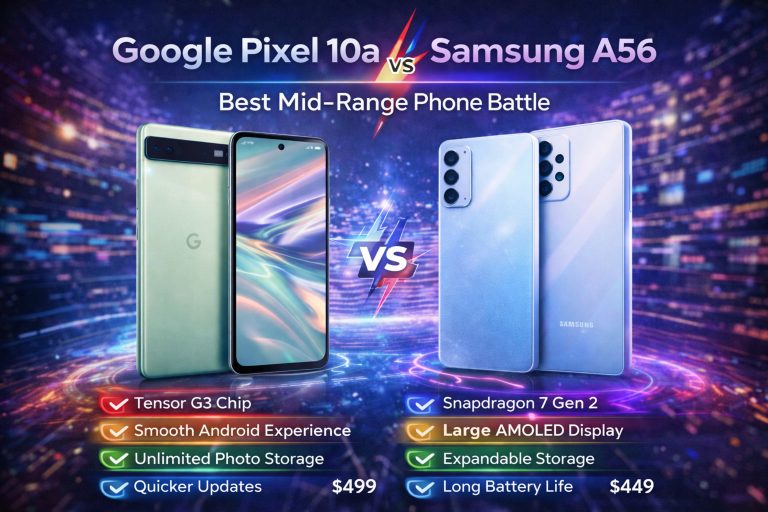
Three factors crown the best phones for content creators in 2026: top-notch sensor quality for stunning video, raw processing power for quick edits, and battery longevity to keep you going. Video wizards might grab the Galaxy S28 for its zoom and Log perks, while editors love the Pixel’s multitasking muscle. Vloggers on a budget? The OnePlus 14 fits without fuss.
Match your pick to your niche—cinematic shorts need strong cams, daily reels crave all-day power. Grab one that boosts your flow, and watch your content soar. What’s your next shoot?