Smartphone Buying Mistakes to Avoid in 2026: How to Choose the Right Phone

Smartphones change fast these days. Just think about it: one year you’re thrilled with your current device, and the next, new models flood the market with promises of better everything. Flagship phones now cost over $1,200, so picking the wrong one in 2026 can hit your wallet hard. But here’s the good news. You don’t have to fall into common traps. This guide points out key smartphone buying mistakes to avoid. It shows how to choose the right phone that fits your life and lasts. By skipping these pitfalls, you’ll get real value from your next buy.
Overpaying for Unnecessary Specifications
People often chase the latest specs without thinking if they need them. In 2026, that leads to wasted cash on features that sit unused. Let’s break down why mid-range options shine and where hype tricks you.
Ignoring the Mid-Range Revolution
Mid-range phones pack a punch now. For $400 to $700, you get devices that handle emails, social media, and even some gaming without a hitch. Processors like the Snapdragon 8 Gen 4 or equivalent chips run smooth for most folks. High-end ones? They’re great for pros, but overkill for daily use.
Take your average day. Streaming videos or browsing apps doesn’t demand top-tier power. Sure, flagships crush heavy tasks, but mid-rangers do fine too. Battery life holds up, and builds feel premium.
Here’s an actionable tip for 2026. Aim for at least 8GB RAM and 128GB storage. That covers multitasking and app storage needs. If you edit photos or play games a lot, bump to 12GB RAM. Check reviews for real performance tests. This way, you save hundreds without losing much.
The Megapixel Myth and Camera Overkill
More megapixels sound impressive, but they don’t always mean sharper pics. In 2026, sensor size and software matter more. A big sensor grabs more light, which helps in dim rooms. Aperture lets in even more, and AI tweaks colors on the fly.
Brands push 200MP cameras to grab attention. Yet, a 50MP setup from Google or Apple often wins in low light. Remember the Pixel 9 series? Its 50MP main shooter beat rivals with 108MP in night shots, thanks to smart processing.
Don’t get fooled by numbers. Ask yourself: do you print huge photos or just share on Instagram? For most, a balanced camera system beats megapixel bragging. Test samples online before buying. You’ll see quality trumps quantity every time.
Blindly Chasing Refresh Rates
High refresh rates make screens feel silky. But jumping from 120Hz to 144Hz? The difference fades quick for non-gamers. Your eyes notice the first boost, then it’s meh. Plus, always-on high rates drain battery faster.
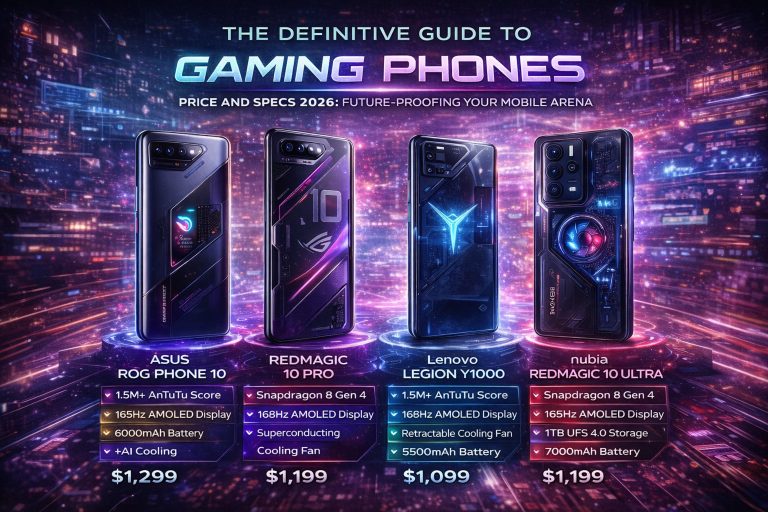
In 2026, many phones let you tweak rates based on use. Apps like browsers run at 60Hz to save juice, while games hit 120Hz. Flagships push 165Hz, but that shortens playtime on a charge.
Think about your habits. If you’re not into esports, stick to 120Hz max. It balances smooth scrolling with longer battery. Check settings options in reviews. That small choice adds hours to your day.
Misjudging Longevity and Software Support
A phone isn’t just the buy price. It’s how long it stays useful. In 2026, software updates keep things secure and fresh. Ignore this, and your device ages fast. Let’s look at why support cycles matter most.
The Fatal Mistake: Underestimating Update Cycles
Short update promises mean quick obsolescence. Total cost of ownership adds up when you replace sooner. Good news: makers step up. Samsung and Google now offer seven years of OS and security patches for flagships. Apple sticks to six years on iPhones.
By February 2026, OnePlus joins with five-year guarantees on mid-rangers. This beats older norms of three years. A phone with long support saves you $500 over time, since you delay the next buy.
Pick brands that commit. Check their sites for policy details. Seven years means your phone fights hackers and gets new features till 2033. That’s smart planning.
Neglecting Future-Proofing Connectivity (Wi-Fi 7 and Beyond)
Wi-Fi 7 rolls out wide in 2026. It speeds up downloads and cuts lag on busy networks. If your home router supports it, a compatible phone future-proofs you. But if not, skip the extra cost—it’s not urgent.
Many mid-rangers add Wi-Fi 7 without hiking price much. Upgrading your router later? The phone waits. Balance this with your setup. No need for it if you stream on 5G mostly.
Test your network speed first. Tools like Speedtest app help. If you’re under 1Gbps, Wi-Fi 6 works fine. Save the bucks for storage instead.
The Danger of Ignoring Repairability Scores
Phones break, especially screens and batteries. In 2026, repair rights grow. Check iFixit scores—higher means easier fixes and cheaper parts. Apple’s improved, with scores around 7/10 for recent models.
Battery swaps cost $80 for user-friendly phones, versus $150 for glued ones. Screens follow suit. Look for modular designs from Fairphone or Google.
Before you buy, search for parts on iFixit or sites like Back Market. If replacements are easy to find, that’s a win. It extends your phone’s life without big bills.
Falling Victim to Carrier and Retail Traps
Deals look sweet, but traps lurk. Carriers push contracts that lock you in. Retail hype adds pressure. Spot these to buy free and easy.
Getting Locked into Long-Term Carrier Contracts
“Free” phones with plans? They tie you for 24 or 36 months. Unlocking fees hit $200 if you bail early. Service jumps too, often $20 more monthly.
Unlocked prices drop in 2026. A Galaxy S26 costs $800 straight, versus $1,200 over two years with carrier markup. You pick plans freely, switching for better rates.
Compare total costs. Use sites like Wirecutter for breakdowns. Ditch contracts—flexibility wins.
Skipping the Unlocked Option for Flexibility
Unlocked phones let you swap carriers anytime. No waiting periods. Trade-ins work faster too, and software stays clean without carrier junk apps.
In 2026, most flagships sell unlocked at full price. Mid-rangers too. You avoid bloat that slows things down.
Buy from makers or Best Buy for options. It gives peace of mind. Switch to Mint or Visible if rates rise—easy.
Forgetting the Trade-In Reality
Trade-in values sound high, like $600 for your old phone. But carriers demand mint condition and recent models. Scratches? Value drops to $300.
Manufacturers fair better, but estimates vary. Apple’s program gives steady credits if you stay in ecosystem.
Don’t count on it fully. Save receipts and keep devices clean. Test with multiple offers from Gazelle or Swappa. Realistic expectations avoid shocks.
Mismanaging Battery Expectations and Charging Habits
Battery rules your day. Fast specs wow, but endurance matters more. In 2026, smart choices keep you powered without fuss.
Prioritizing Peak Speed Over Daily Endurance
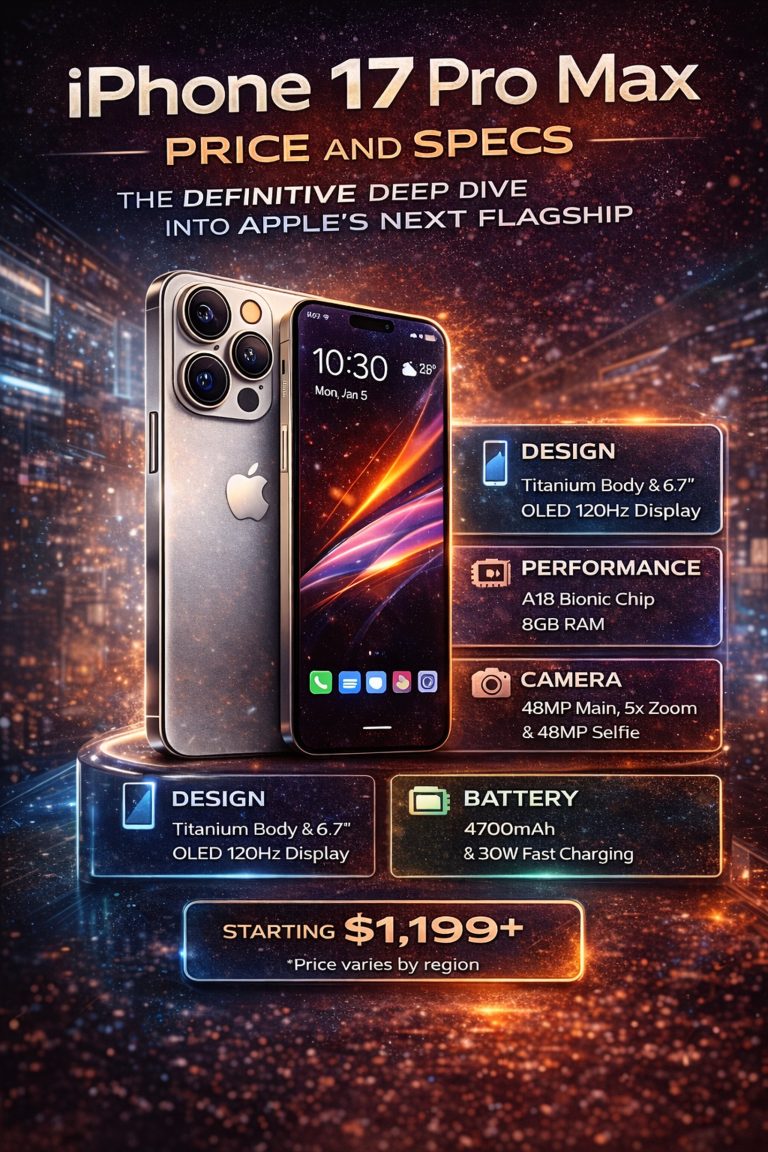
mAh numbers lie—real use counts. Screen-on time tells the truth: how long till it dies with heavy tasks. Flagships like iPhone 17 hit 10 hours easy.
Tech sites like GSMArena test this. Mid-rangers from Nothing or Moto often match flagships at half price. They optimize software for sips of power.
Track your day. If you need 8 hours out, pick based on reviews, not specs. That ensures no midday charges.
Overspending on Extreme Fast Charging
120W charging fills in 20 minutes. Cool, but heat wears batteries over time. Capacity drops 20% faster after a year.
Stick to 45W-65W. It’s plenty quick—full in 45 minutes—and kinder long-term. Phones like OnePlus Nord series nail this balance.
Weigh your rush. At home, slower is fine. Save for better cameras instead.
Failing to Check Charger Inclusion Status
Some 2026 phones skip the brick to cut waste. You pay $30 extra for one. Basics like USB-C work, but fast needs the right one.
Apple and Samsung dropped them years back. Check boxes in listings. Budget for it if needed.
Buy bundles or reuse old chargers. Quick check saves hassle.
Platform Paralysis and Ecosystem Lock-In
iOS or Android? It shapes your world. Wrong pick disrupts flow. Match your gear for smooth sails.
Ignoring Ecosystem Compatibility for Productivity
Apple ties iPhone to Watch and Mac seamless. Notifications sync, files share easy. Android plays nice with Windows or Chromebooks via Nearby Share.
If you use Google services, Pixel fits best. Samsung’s DeX turns phone into desktop—handy for work.
List your devices. Does the phone boost or break your setup? Test in stores if you can.
The Peril of Niche Operating Systems
Rare OS like HarmonyOS or Ubuntu Touch limit apps. Developers skip them, leaving gaps in banking or games.
In 2026, stick to Android or iOS for full support. Niche ones suit tinkerers only.
Weigh risks. Mainstream means updates and apps galore.
Assessing App Continuity Across Devices
Sync matters. iCloud keeps notes across iPad and phone. Android’s Google Drive does same for laptops.
Check features like Handoff or Quick Share. They cut copy-paste woes.
Trial apps on current setup. See if the new phone meshes well.
Conclusion
Picking a smartphone in 2026 boils down to smarts. The top mistakes? Overpaying for specs you skip, ignoring software life that shortens use, and missing ecosystem fit that frustrates daily tasks. Dodge these, and your phone serves years.
Start by listing real needs—like battery for travel or camera for snaps—not wants. Research updates, test in person, and buy unlocked. That way, you score a device that delights without regrets. Ready for your best pick yet?