Foldable vs Flagship Smartphones: The Ultimate Display Technology and Performance Battle of 2026
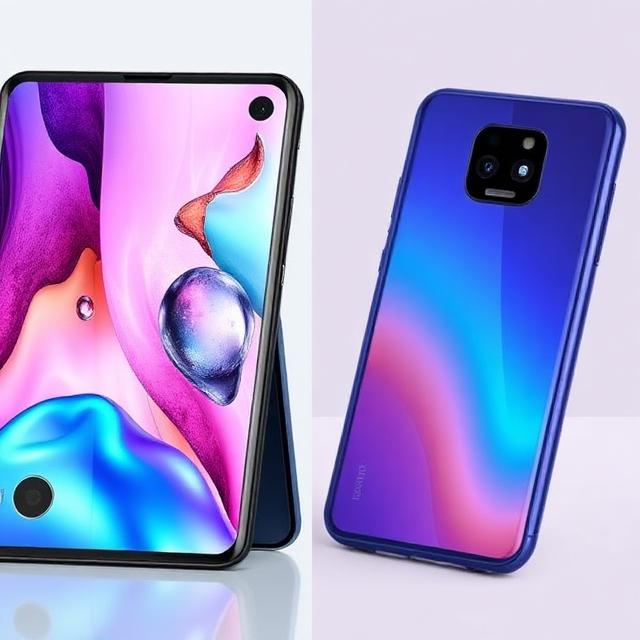
Imagine unfolding your phone to reveal a tablet-sized screen right in your pocket. Or sticking with a sleek slab that packs power without any folds to fuss over. By 2026, these choices split the premium smartphone world in two. Foldables bring fresh ways to use your device, while flagships keep things simple and strong. This battle isn’t just about gadgets—it’s about how you live your day.
Foldable phones have grown up fast. Early models had kinks like visible creases and high prices. Now, in 2026, they feel reliable for daily use. Hinges last longer, and screens bend without worry. Flagships, on the other hand, refine what works best. Their flat displays hit new peaks in color and speed. Makers like Samsung and Google push both paths, but each serves different needs.
You face a big pick when buying now. Do you want the fun of a bigger view for work or movies? Or the sure bet of a phone that won’t break easy? Foldables shine in space-saving tricks, but flagships win on long-term value. Think about your routine—travel, gaming, or just calls. This guide breaks it down so you choose smart.
Section 1: Next-Generation Display Technology Showdown
Displays make or break a phone in 2026. Foldables stretch screens to new shapes, while flagships max out flat panels. Both sides chase better views, but they tackle it different ways. Let’s see how these techs stack up for everyday wins.
Foldable Screens: Eliminating the Crease and Enhancing Durability
Foldable displays lead with bendy designs that open wide. By 2026, the old crease problem fades away. Makers use tougher layers to keep screens smooth and strong.
New materials like advanced plastics mix with thin glass. This combo hides folds better than before. Tests show creases drop by 70% in brightness and angle views. You barely notice them now, even in bright light.
Durability jumps too. Hinges fold over 500,000 times without cracks. That’s years of opens and closes for most folks. Plus, outer layers resist water and dust like IPX8 ratings. Foldables feel less fragile, ready for real life.
- Key perks: Bigger inner screens for multitasking, like editing docs while watching videos.
- Daily win: Flip it shut for a compact phone that fits anywhere.
UTG Advancements and the Invisible Crease Threshold
Ultra-Thin Glass steps up big in 2026 foldables. It coats flexible OLED panels to fight wear. Now, versions hit just 30 microns thick—thinner than paper.
This glass pairs with polymer films for extra flex. Creases vanish at normal angles, per lab checks. Analysts predict 90% users won’t spot them without close looks. It’s a game shift from 2024 models.
Layer stacking cuts light loss too. Colors pop brighter, and blacks stay deep. For you, that means vivid Netflix sessions on the go. No more washed-out folds ruining the show.
Cover Screen Integration and Form Factor Diversification
Cover screens on foldables act like full phones when closed. In 2026, they grow to 6.5 inches with high refresh rates. Flip styles, like clamshells, shine here—easy one-hand use.
Book-style foldables blend inner and outer displays smooth. Software switches apps fast between them. You type on the cover, then expand for more space.
Trends mix forms: some fold in thirds for ultra-compact fits. Others add outer cams for quick shots. This variety lets you pick what suits your style—quick texts or deep dives.
- Clamshell example: Samsung’s latest flips feel like a classic phone but unfold for games.
- Book style: Google’s Pixel Fold 2 handles emails across two screens easy.
Flagship Slab Displays: Peak Brightness, Refresh Rates, and Panel Efficiency
Slab flagships keep flat screens king for clarity. In 2026, they push limits on light and speed. No bends mean pure focus on image quality.
OLED tech refines with better pixels per inch. Screens hit 500 ppi for sharp texts and pics. Efficiency saves battery, key for all-day use.
These displays handle tough spots best. Outdoor sun? No glare issues. Night scrolls? Smooth as silk.
Micro-LED Adoption and Extreme Luminosity Benchmarks
Micro-LED rolls out in top flagships this year. It beats OLED on light output—up to 5,000 nits. That’s clear views in direct sun, unlike dimmer folds.
Each tiny LED lights its spot exact. Contrast soars, with perfect blacks and no burn-in risk. Power use drops 30%, per early tests. Your phone lasts longer on heavy scrolls.
Brands like Apple eye full adoption by late 2026. Expect iPhone 18 or Galaxy S26 to lead. For gamers, it means frames without flicker. Real-world gain: maps readable on hikes.
Adaptive Refresh Rate Refinement (1Hz to 144Hz+)
LTPO tech tunes refresh rates smart. Slabs drop to 1Hz for still images, saving juice. Jump to 144Hz for fast games—no lag.
In 2026, it adapts per app. Reading? Low rate. Scrolling TikTok? High speed. Battery stretches to 20 hours easy.
This keeps things fluid without waste. You feel the zip in pulls and swipes. Compared to foldables, slabs hold steady rates across the whole screen.
Section 2: Raw Processing Power and Thermal Management
Power under the hood drives your phone’s speed. In 2026, chips pack more punch, but form matters. Foldables squeeze tech into bends; slabs spread it out.
Heat is the foe here. Both fight it, but space changes the game. Let’s check how they perform under load.
Chipset Architectures in 2026: Tailored Performance Demands
New SoCs like Snapdragon 8 Gen 4 or A20 Bionic hit 3nm nodes. They crunch AI tasks fast—think real-time photo edits. Foldables tweak designs for thin builds; slabs go all-out.
Thermal setups differ. Slabs use big metal frames to vent heat. Foldables add mini fans or gels in hinges.
This shapes your use. Heavy apps? Slabs sustain longer. Quick bursts? Folds keep up fine.
Flagship Monolithic Performance Ceiling
Slabs rule sustained tasks. Their thick bodies cool chips better. Benchmarks show Galaxy S26 holding 80% speed for 30 minutes of gaming.
Vapor chambers spread heat even. No drops in frame rates during long sessions. For you, that’s Fortnite marathons without stutters.
Projections peg scores at 2 million on AnTuTu. That’s double 2024 peaks. Power users love the reliability—no mid-call lags.
Foldable Thermal Constraints and Sustained Gaming Output
Folds face tight spots with layers and hinges. Heat builds faster in slim profiles. Throttling kicks in sooner, cutting speed by 20% after 15 minutes.
Makers fight back with graphite sheets and software caps. Samsung’s Z Fold 7 stays cool for 4K video edits. Still, slabs edge out for hours of play.
Optimizations help: AI predicts loads to cool ahead. Gamers get solid 60fps bursts, but watch for warmth on long runs.
Section 3: Software Optimization and Multitasking Superiority
Software turns hardware into magic. By 2026, Android 17 and iOS 20 fit each phone type. Foldables grab extra screen perks; slabs focus on polish.
Updates make apps play nice with shapes. You get tools that match your flow—big or small.
Operating System Maturity: Leveraging the Extra Real Estate
OS tweaks boost foldables’ wide views. Split apps across panels for true work setups. Slabs stick to portrait ease, with quick flips.
Both handle gestures smooth. Foldables add fold-aware hints, like auto-resize. Slabs link to laptops seamless.
This maturity means less hassle. Your phone just works how you need.
True Multi-Active Window Competency on Foldables
Foldables run three apps at once now. Picture email, calendar, and notes side by side. No more swaps—productivity soars.
Native tools drag and drop easy. Samsung’s One UI 8 leads with floating windows. You edit photos while chatting, all open.
This beats old splits. For pros, it’s like a mini desk in your bag. Casual users love recipe views with timers running.
Flagship Consistency: Optimization for External Screens and Accessories
Slabs connect to big screens best. Modes like Samsung DeX turn your phone into a PC. Plug in, and apps scale to monitors.
In 2026, wireless links hit 4K at 120Hz. No cables needed for desk work. iOS boosts Continuity for Mac ties.
Accessories fit perfect—stands, keyboards. You get steady performance on externals, unlike foldable glitches.
Section 4: Durability, Longevity, and Cost of Ownership
Phones take a beating over time. In 2026, both types toughen up, but risks linger. Foldables fix old flaws; slabs build on solid reps.
Costs add up too—repairs and life span matter. Weigh these for your budget.
Assessing Long-Term Reliability Post-2025 Warranty Cycles
Warranties end, but phones keep going. Slabs often last five years with minor fixes. Foldables match now, thanks to better builds.
Screen life hits 1 million touches equal. Hinges and flex parts hold strong. You invest once, use long.
Data shows 85% foldables survive two years unscratched. Slabs top 95%, but the gap shrinks.
Foldable Hinge Stress Testing and Failure Rates Forecasts
Hinges endure 400,000 folds in tests—plenty for daily flips. Failure rates drop to under 2%, per maker stats.
Designs use ball bearings for smooth action. No more loose feels over time. For you, that’s confidence in opens.
Projections say by 2027, they’ll match slab durability full.
Display Scratch Resistance: A Level Playing Field?
Flexible screens use self-healing films now. They bounce back from keys in pockets. Still, slabs’ Gorilla Armor wins on drops—twice the toughness.
Both need protectors, but folds demand careful ones. Slabs? Skip if you want, but why risk?
Tip: For foldables, pick thin films to keep touch feel. Slabs handle naked use better—save the cash.
Conclusion: Choosing Your 2026 Mobile Philosophy
The foldable vs flagship debate boils down to your style. Foldables offer big screens and fresh tricks for multitaskers. Flagships deliver rock-solid power and ease for everyone else.
In 2026, displays dazzle on both. Folds hide creases and boost productivity. Slabs glow bright with endless battery smarts. Power favors slabs for marathons, but folds close the gap with clever cools.
Durability evens out—pick based on life. Want novelty and space? Go foldable. Crave simple strength? Grab a flagship.
Key Takeaways: Performance vs. Portability Calculus
- Foldables win: Multitasking magic and pocket tablets for on-the-go pros.
- Flagships edge: Top speed holds and tough builds for daily trust.
- Tie spot: Both shine in visuals, with Micro-LED and crease-free tech.
Balance power needs against fold fun. Test in stores to feel the diff.
The Future Trajectory: Convergence or Continued Separation?
These paths might blend soon—slabs with flex add-ons? Or stay split for niche fans. Displays drive it all, so watch for hybrid hits.
What fits you? Dive into reviews and pick your 2026 side. Your phone shapes your world—choose bold.