How to Choose the Right Smartphone in 2026: Android vs iPhone, Performance Comparison, and Best Deals Online

Mobile tech changes fast. In 2026, AI helps your phone predict needs before you do. Foldable screens bend like paper, and chips run cooler than ever. You face tough picks with so many options. This guide helps you compare Android and iPhone. It covers performance tests and ways to snag top deals online. You’ll learn how to pick a phone that fits your life without breaking the bank.
Decoding the Operating System Divide: iOS 20 vs. Android 19
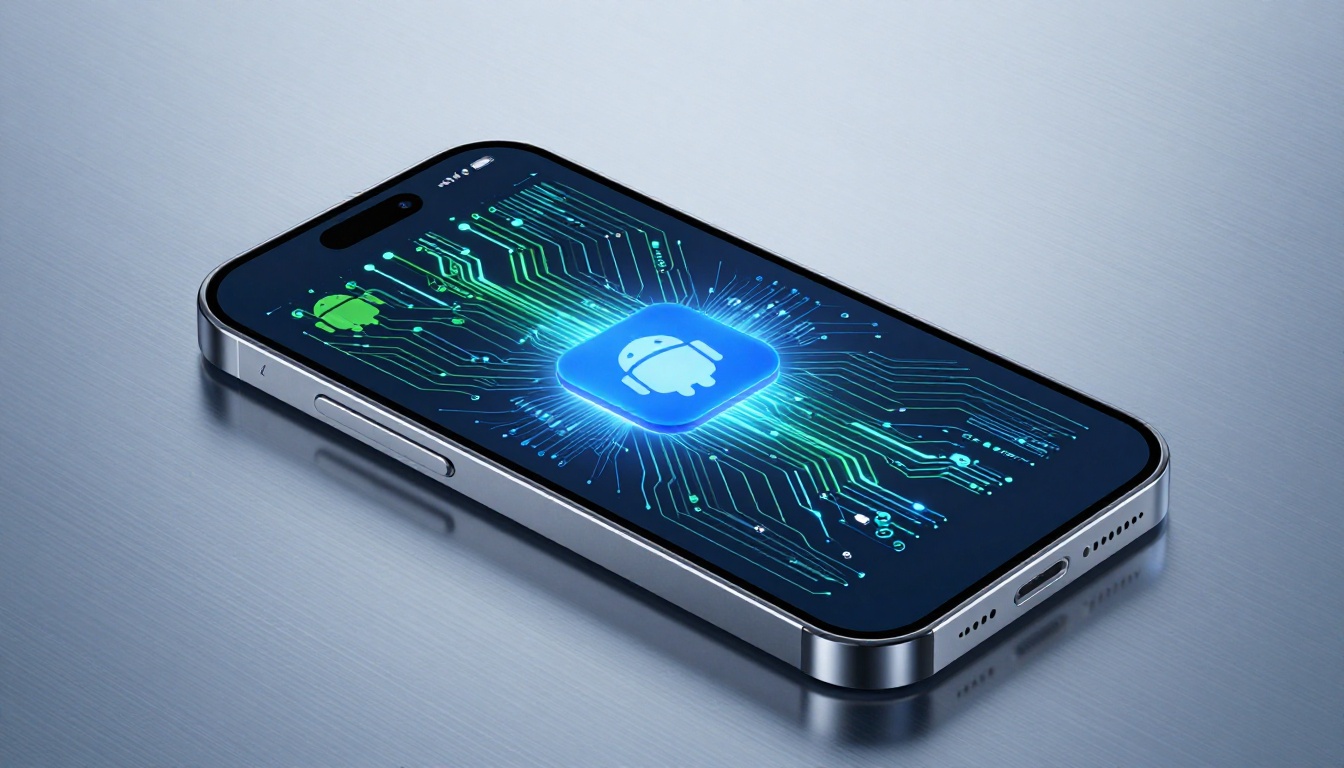
iOS and Android rule the phone world. Each offers unique perks. iOS feels smooth and safe. Android gives you room to tweak. Let’s break it down.
The Ecosystem Lock-In: Apple’s Integrated Experience
Apple builds a tight web of devices. Your iPhone talks easy to a Mac or Apple Watch. iMessage keeps chats private and fun with stickers that pop. AirDrop shares files in seconds, no cables needed.
Apple promises updates for six years now. That means your phone stays fresh longer. iOS 20 adds strong privacy tools. It hides your location from apps that pry. Face ID blocks thieves better than ever. You get peace of mind with these locks.
This setup shines if you own other Apple gear. It cuts hassle. But it ties you in tight.
Android’s Fragmentation Power: Customization and Choice
Android lets you shape your phone your way. Change themes, add widgets, or swap launchers. Android 19 rolls out with built-in AI that writes texts or edits photos on the fly.
Brands like Samsung add their twist. One UI makes big screens easy to use. Google Pixel keeps it clean and smart. You pick what suits you.
Check a maker’s update promise before buying. Samsung and Google offer five years of OS upgrades. That matches Apple close. Look for brands that patch security quick. It keeps your data safe.
The Software Longevity Showdown
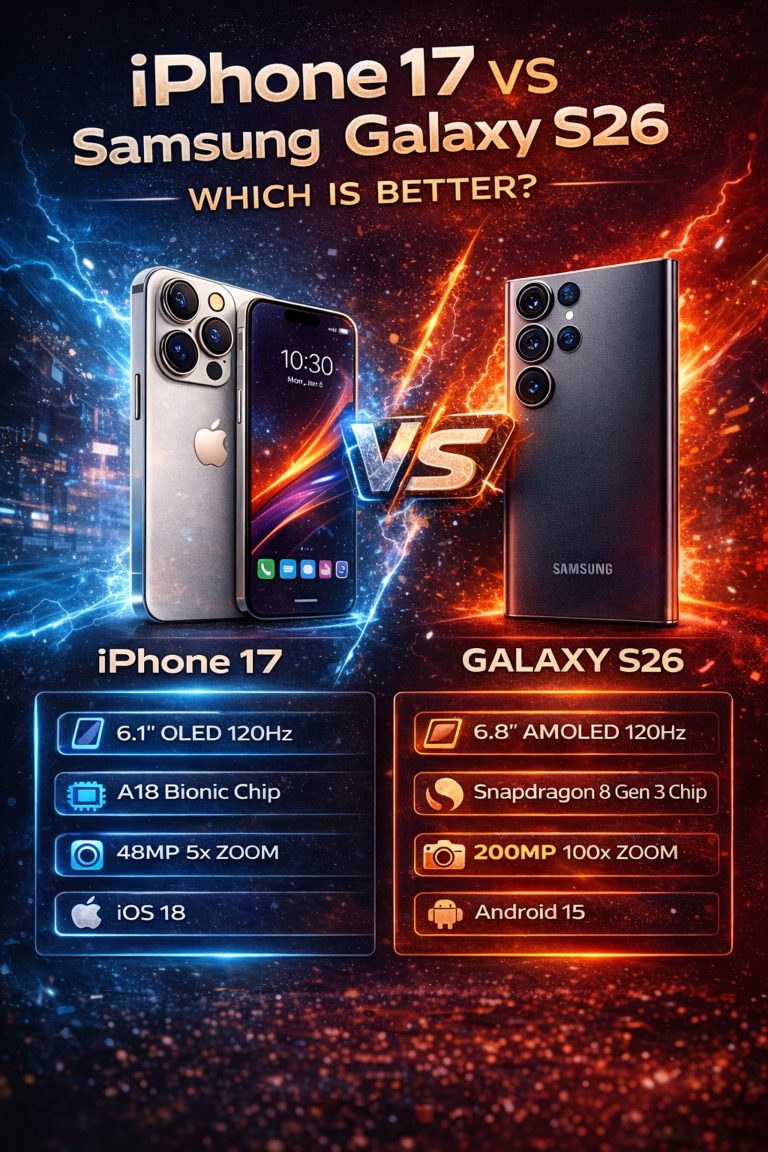
iPhones hold value better over time. An iPhone 17 might get updates until 2032. That slows price drops. You could sell it for half its cost after two years.
Flagship Androids like the Galaxy S26 catch up. They promise four to seven years of support. Pixels lead with pure Android and fast fixes. But some cheap Androids lag. Pick ones with long backings.
Trade-in values dip less for iOS. Androids lose 20% more in the first year, stats show. Think about how long you keep phones. Long support saves cash later.
Performance Powerhouses: Chipsets, RAM, and Real-World Benchmarks
Speed matters in daily use. Games load quick. Apps switch smooth. Let’s compare the guts of top phones.
Silicon Wars: Apple A-Series vs. Snapdragon/Tensor Flagships
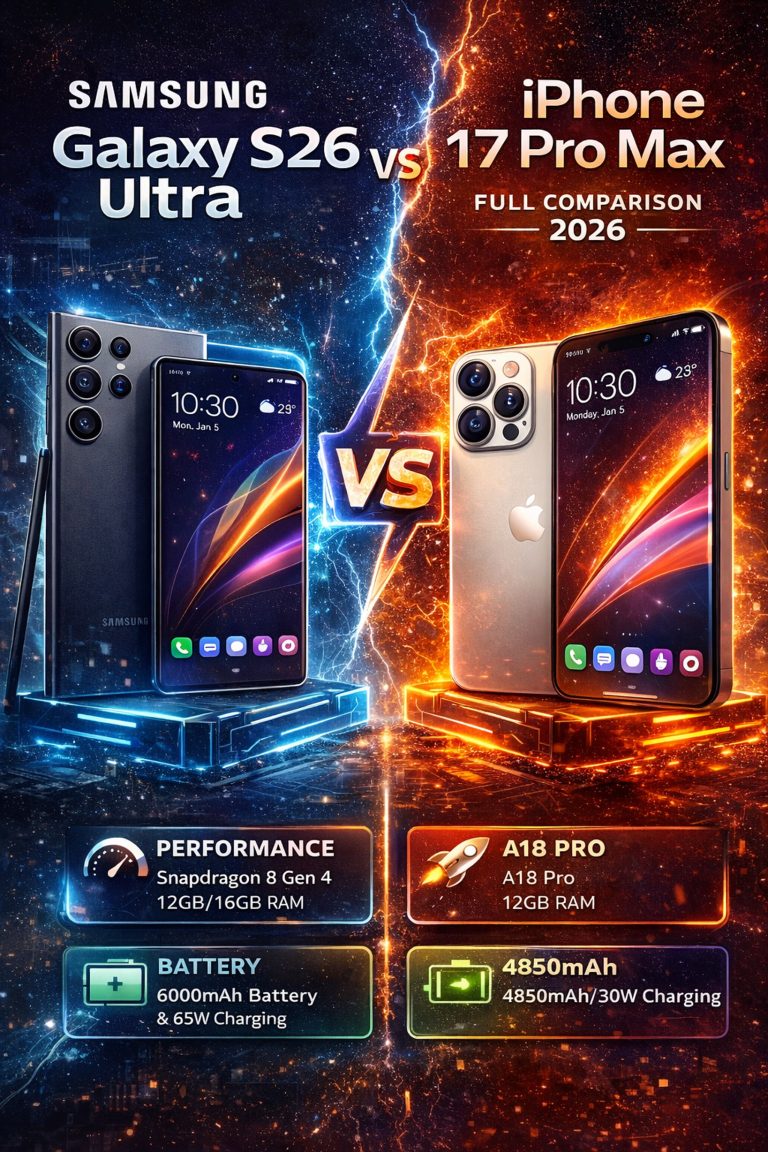
Apple’s A18 Pro chip crushes tasks with low power use. It handles video edits without heating up. Battery lasts a full day even with heavy apps.
Snapdragon 9 Gen 4 in Samsung phones matches it in speed tests. Geekbench scores hit 3,000 single-core for both. Tensor G4 in Pixels focuses on AI smarts over raw power. It predicts your next app.
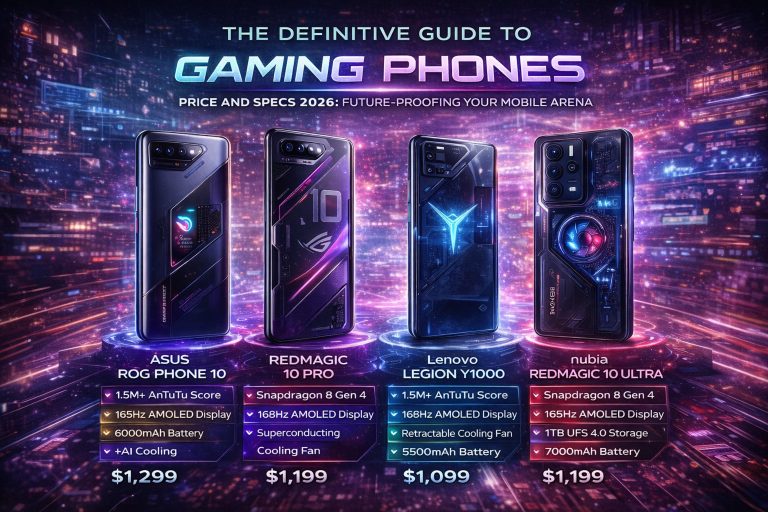
Efficiency wins here. The A18 sips battery during games like Genshin Impact. Snapdragon drains 10% less under load than last year. Pick based on what you do most. Gamers love Snapdragon. AI fans dig Tensor.
Memory Matters: RAM Configurations and Optimization
You don’t need 16GB RAM for basics. 8GB handles emails and social scrolls fine. iOS squeezes more from less thanks to smart management.
Android shines with high RAM for pros. Edit 4K video while streaming? 12GB keeps it lag-free. Tests show 8GB Androids stutter in big tasks. iPhones with 6GB feel snappier.
In real life, more RAM means fewer reloads. Run Photoshop and Zoom at once. High-RAM phones juggle better. But for most, 8GB cuts it.
Display Technology: Refresh Rates, Brightness, and Color Accuracy
Screens glow brighter in 2026. LTPO tech adjusts refresh from 1Hz to 120Hz. It saves juice on static pages.
iPhone’s 2,000-nit peak beats sun glare. Samsung hits 2,600 nits for HDR movies. Colors pop true on both. Delta E scores under 1 mean accurate shades.
Under-display cameras hide notches. Pixels lead with clear selfies now. Look for 120Hz minimum. It makes scrolls buttery. Bright screens help outdoors.
Camera Capabilities: Beyond Megapixels in 2026
Cameras capture life sharp. AI makes them smart. Megapixels matter less now.
Computational Photography: AI’s Role in Image Processing
AI fixes blurry shots in dim rooms. Google’s Night Sight pulls details from shadows. It beats older tech by 30% in low light tests.
Apple’s Deep Fusion blends shots for natural skin tones. No overdone filters. Both use machine learning to spot scenes. Portraits isolate subjects clean.
You get pro results easy. Point and shoot. AI does the rest.
Video Features and Professional Workflow Integration
Shoot 8K video smooth on flagships. iPhone supports ProRes for color grading later. Androids like Samsung add log profiles for pros.
Link to external drives for big files. Edit in apps like LumaFusion. Both OS work with DaVinci Resolve on tablets.
Stable modes cut shakes. 4K at 120fps slows motion epic. Pick phones with these for vlogs or family clips.
Sensor Size and Lens Hardware: The Return to Physical Optics?
Big sensors grab more light. 1-inch types in top Androids rival DSLRs. iPhones grow to 1/1.3-inch for better zoom.
Variable apertures adjust for depth. Samsung tests it first. It blurs backgrounds like a real camera.
Hardware pairs with AI. Big lenses mean less fake fixes. Your photos look real.
The Value Proposition: Budgeting and Finding the Best Deals
Smart buying saves hundreds. Time your purchase right.
Flagship Depreciation Cycles: When to Buy for Maximum Savings
New iPhone 18 drops in September. Prices fall 20% by December. Galaxy S26 follows suit. Wait three months post-launch for deals.
Carriers offer $300 off with plans. Buy unlocked online for flexibility. Amazon and Best Buy slash prices in Black Friday.
Track curves. iPhones hold steady. Androids dip faster but rebound with trades.
The Mid-Range Revolution: Premium Features at Mid-Tier Prices
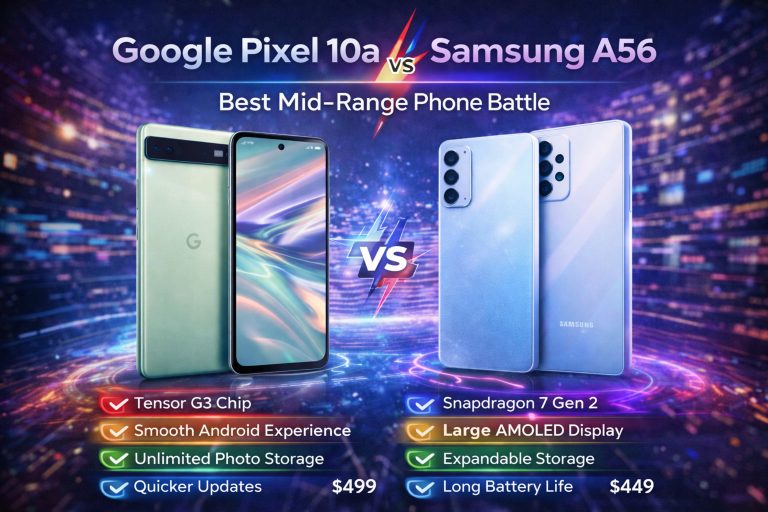
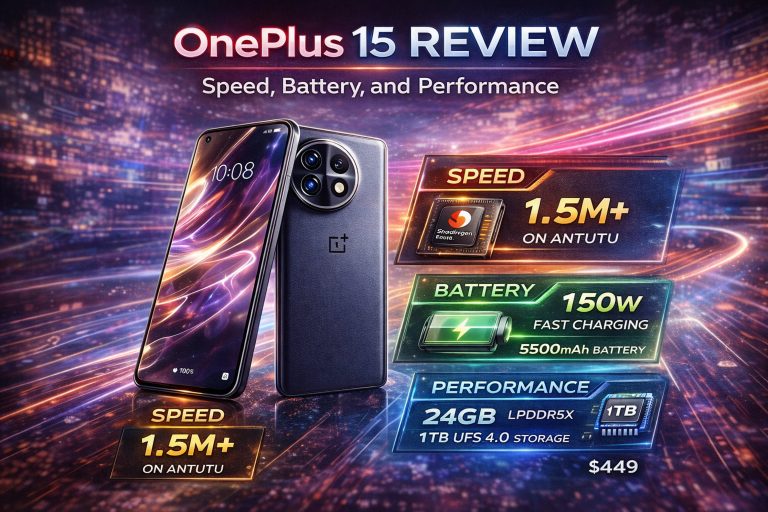
Mid-range phones pack punches under $700. Nothing Phone 3 has 120Hz screen and solid camera. OnePlus 13R matches flagships in speed.
You get wireless charging and IP68 water proofing. Cameras rival $1,000 models. Save for battery life that lasts two days.
These “killers” fit most needs. Skip ultra-premium unless you crave extras.
Carrier Deals, Trade-In Strategies, and Unlocked Purchases
Carriers bundle free lines or bills. Verizon gives $800 credit for old phones. Check fine print for lock-ins.
Trade old gear at Apple for up to $650. Best Buy pays cash quick. Sell on eBay for 10% more if you ship safe.
Unlocked buys let you switch plans. Sites like Swappa offer used deals 40% off. Compare total costs. Unlocked wins long-term.
Conclusion: Making Your Final 2026 Decision
Picking a smartphone boils down to fit. iOS offers simple flow if you like Apple’s circle. Android hands you controls for custom fun.
Most folks don’t need max power. Current flagships last years with solid speed. Focus on battery, camera, and updates that match your routine.
Before you buy, answer these:
- Do I own other devices? Match ecosystems.
- What tasks eat my time? Games or edits?
- How long will I keep it? Check support years.
- Budget cap? Mid-range often wins.
- Camera needs? Test in store.
Grab your phone now. Hunt deals on trusted sites. You’ll love the upgrade.