
iPhone 16 vs iPhone 15 Pro: Which One Makes More Sense?
Every year, Apple drops new iPhones that make you wonder if it’s time to upgrade. Right now, you’re stuck choosing between the fresh iPhone 16 and the still-strong iPhone 15 Pro. The big question? Does the standard iPhone 16 bring enough new tricks to beat out the pro model’s power, or should you grab the older one at a discount?
This choice boils down to what you need most. We see folks torn between grabbing the latest tech for the long haul or sticking with pro features like better cameras today. Let’s break it down by looking at performance, cameras, design, battery, and price. By the end, you’ll know which phone fits your daily grind.
Performance and Chip Architecture: A Leap in the Standard Model?
The heart of any iPhone is its chip. The iPhone 16 packs the A18, while the iPhone 15 Pro runs on the A17 Pro. Apple pushed the standard model forward this time, closing some gaps with the pro line.
You might notice quicker app loads and smoother gaming on the iPhone 16. Rumors before launch hinted at big jumps in AI tasks, like editing photos on the fly. But does this make the 15 Pro feel outdated? Not quite yet.
Think about your routine. If you stream videos or scroll social media, both handle it fine. For heavy editing or AR apps, the pro chip still shines.
A18 vs. A17 Pro: Benchmarks and Real-World Speed
Early tests show the A18 beats the A17 Pro by about 20% in speed scores. It uses a smaller manufacturing process, like 3nm tweaks, for better heat control. This means less throttling during long sessions, such as gaming for hours.
In daily use, the iPhone 16 feels snappier when switching apps. Battery drain drops too, thanks to efficient power use. Picture running a full day of maps and music without worry.
The 15 Pro holds up well, though. Its chip optimized iOS updates perfectly. If you’re not chasing the newest benchmarks, it won’t let you down.
RAM Allocation and Future-Proofing
Apple bumped RAM to 8GB on the base iPhone 16. That’s up from 6GB in older standards, matching the 15 Pro’s setup. More RAM means better multitasking, like keeping 10 tabs open in Safari without hiccups.
This helps with future apps too. As software grows hungrier, the iPhone 16 stays relevant longer. You won’t fight lag in two years like some older phones.
The 15 Pro’s 8GB already proves solid. But if you hoard apps or edit videos casually, the extra in the 16 gives peace of mind.
Software Optimization: iOS 18 Readiness
iOS 18 rolls out features tailored to the A18 chip. Think smarter Siri replies or on-device image generation. The iPhone 16 grabs these first, running them without skips.
The 15 Pro gets iOS 18 too, but some AI bits might feel slower. Apple promises support for years, so both last long. Still, the newer phone edges ahead for cutting-edge stuff.
Ask yourself: Do you want tomorrow’s tools now? The iPhone 16 preps you better.
Camera System Evolution: Megapixels vs. Sensor Quality
Cameras often tip the scale in iPhone buys. The iPhone 16 steps up its main lens, but the 15 Pro keeps pro-level tools. It’s not just about pixels; it’s how they work in real shots.
Low-light snaps improve on both, yet the pro model adds zoom magic. Casual users might not miss much. Pros, though? They crave that extra reach.
Let’s dive into each part to see the real differences.
Main Sensor Upgrades: A 48MP Standard for All?
The iPhone 16 brings a 48MP main sensor to the base model. This matches what the 15 Pro offers, boosting detail in bright scenes. You get sharper crops without losing quality, great for social posts.
In dim rooms, it pulls more light for cleaner images. ProRAW mode joins the party too, letting you tweak shots like a desktop editor. The 15 Pro had this first, but now it’s even across lines.
Both shine for everyday pics. If you print photos or zoom in later, the 48MP helps big time.
The Telephoto Gap: Where the 15 Pro Maintains Its Lead
Here’s where the 15 Pro pulls ahead: its 12MP telephoto with 3x optical zoom. The standard iPhone 16 sticks to digital zoom, which blurs at high levels. For sports events or wildlife, optical wins every time.
Imagine snapping your kid’s soccer goal from the bleachers. The 15 Pro gets crisp details; the 16 crops and guesses. That gap stays unless you add a case lens.
Portraits benefit too. The telephoto nails natural bokeh without software tricks.
Computational Photography: Matching Feature Parity
Apple’s software evens the field. The iPhone 16 adds improved Portrait Mode with better edge detection. Smart HDR 5 brings vibrant colors to both phones via updates.
Night mode gets tweaks on the 16 for faster shots. The 15 Pro matches most, thanks to shared tech. Video? Both hit 4K at 60fps, but pro stabilization edges it for shaky hands.
If you’re not a zoom fanatic, the iPhone 16 closes the camera divide nicely.
Design, Display, and Build Quality: Refining the Flagship Formula
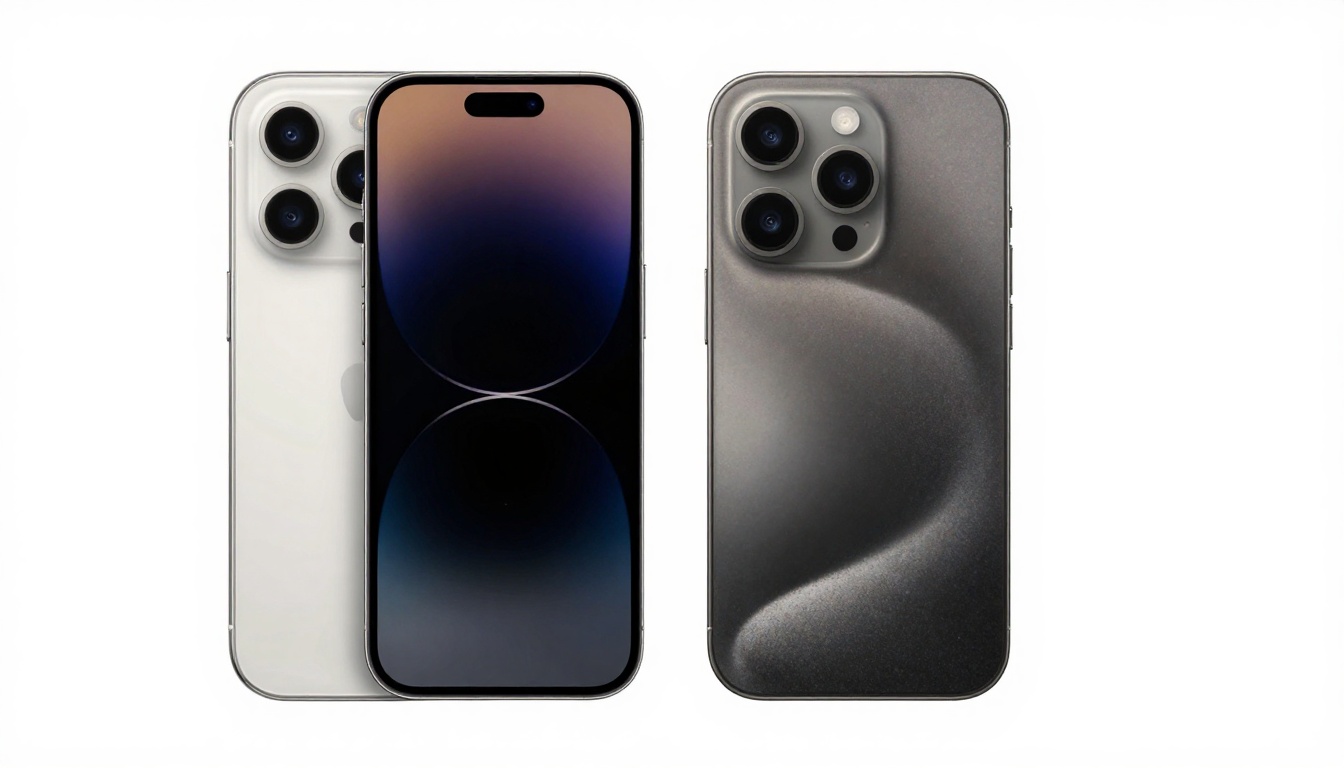
Apple refines looks each year without wild changes. The iPhone 16 keeps a familiar shape but adds smart touches. The 15 Pro feels premium in hand, thanks to its materials.
Displays differ most. Smooth scrolling matters for some, not others. Build? Both tough, but one screams luxury.
Size stays close, around 6.1 inches. Buttons shift a bit, sparking interest.
Display Technology: ProMotion Disparity
The iPhone 16 runs at 60Hz, while the 15 Pro’s ProMotion hits 120Hz. That means buttery scrolls on the pro, especially in games or feeds. The standard feels fine for texts and emails.
Can you skip 120Hz? Yes, if you’re not a heavy scroller. Battery saves a touch without it. But once you try pro smoothness, basics lag behind.
Brightness peaks at 2,000 nits on both. Outdoor views stay sharp either way.
Materials and Durability: Titanium vs. Aluminum
iPhone 16 uses aluminum, light and strong for daily drops. The 15 Pro’s titanium frame weighs less, at about 187 grams versus 170. It resists scratches better, looking fresh longer.
Feel the difference: Titanium cools quicker in sun, aluminum warms up. Both pass IP68 water tests. Durability? Pro wins for rough use.
If style matters, titanium turns heads. Aluminum saves cash without big risks.
Form Factor Adjustments and Button Changes
The iPhone 16 might slim down slightly, rumors said. It adds the Action Button for quick tasks, like silencing rings. A new Capture Button joins for fast camera access.
The 15 Pro has these already. Standard users gain convenience now. Sizes match, so cases fit old ones.
These tweaks make the 16 feel modern without reinventing the wheel.
Battery Life and Charging Capabilities
Battery worries end most days. The iPhone 16 improves capacity slightly over past standards. The 15 Pro optimizes like a champ, often lasting longer per charge.
Expect all-day use on both. Newer tech in the 16 might stretch evenings. Charging? Faster options help both.
Real tests show small edges, based on your habits.
Wired and Wireless Charging Speeds
Wired hits 25W on the iPhone 16, up from 20W estimates. It juices to 50% in 30 minutes. The 15 Pro matches, with MagSafe at 15W wireless.
MagSafe gets a boost in efficiency on the 16, less heat buildup. Both support Qi2 now. Grab a good charger; stock cables work okay.
No huge leaps, but the 16 feels quicker in practice.
Real-World Endurance Testing Scenarios
In video playback, the iPhone 16 runs 22 hours straight. The 15 Pro clocks 23, thanks to chip smarts. Gaming? 16 edges with 10 hours, pro close behind.
Social media mix drains both evenly, around 12 hours heavy use. Standby? Minimal sip on either.
If you travel light, the 16’s gains shine. Power users stick with pro efficiency.
Pricing Strategy and Value Proposition
Price seals deals. The iPhone 16 starts at $799. The 15 Pro? Now $999, but drops to $899 post-launch deals.
Value hinges on needs. Standard saves upfront; pro pays for extras.
Used market sweetens the pot for 15 Pro fans.
Anticipated Launch Pricing for iPhone 16
Base iPhone 16: $799 for 128GB. iPhone 15 Pro holds $999 new, but sales hit $850 often. Add $100 for more storage on either.
In 2026, carrier bundles cut costs more. Trade-ins? Up to $600 off both.
Budget $800-1,000. The gap? Just $100-200, worth it?
The Used Market Factor: Value of the Discounted 15 Pro
Refurb 15 Pro sells for $700-800. That’s pro perks at standard price. Warranty covers most, like new.
iPhone 16 holds value better long-term. But if cash tight, used pro wins.
Check sites like Apple’s renewed for deals.
Actionable Tip: Defining Your “Pro” Need
Need zoom and smooth display? Pick 15 Pro. Casual snaps and future AI? Go iPhone 16.
Photographers: Pro all day. Gamers: Either, but pro scrolls nicer.
List your top three uses. Match to features.
Conclusion: Which iPhone Makes the Smarter Purchase Decision?
The iPhone 16 shines with its A18 chip, more RAM, and solid cameras for most folks. It promises longer software life and fresh design tweaks. If you’re upgrading from an older phone, this standard model delivers big value.
Stick with the iPhone 15 Pro for telephoto zoom, ProMotion display, and titanium build. It crushes pro tasks without the new-price hit. Discounts make it tempting in 2026.
Your call depends on habits. Casual users, grab the 16 for simplicity. Creatives, the 15 Pro boosts your work. Weigh needs, check deals, and upgrade smart. What’s your pick?