iPhone vs Android in 2026: The Definitive Buying Guide for the Next Generation of Smartphones
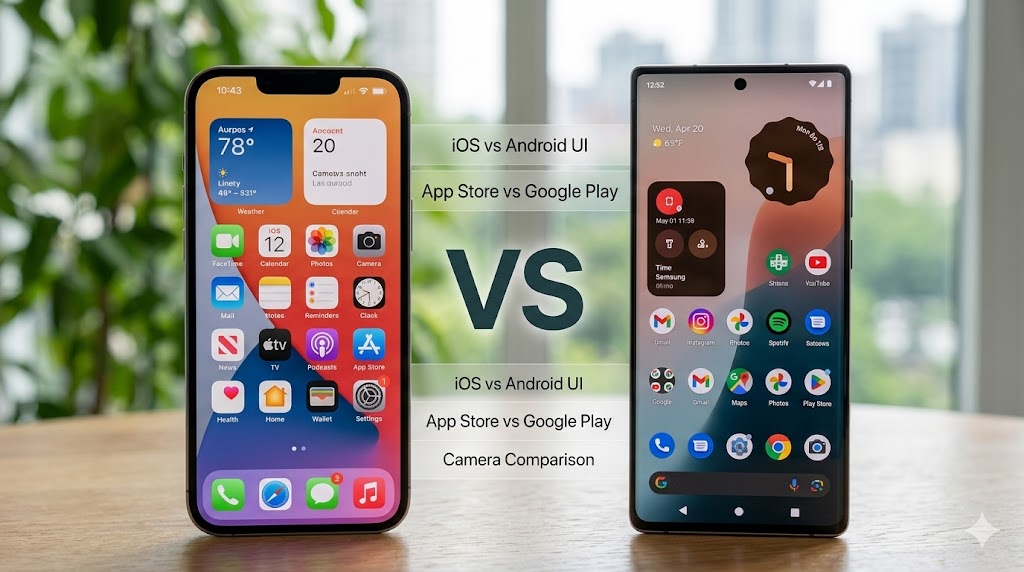
The smartphone world in 2026 feels like a high-stakes game where every move counts. You pick up your phone each day to snap photos, navigate traffic, or chat with friends, but the choice between iPhone and Android shapes your whole digital life. Apple’s tight-knit world clashes with Android’s wide-open options, and now AI and new designs push both sides harder than ever. This guide breaks down the key changes in AI, hardware, costs, and security to help you decide what fits your needs in 2026.
Section 1: AI Integration and Software Ecosystem Maturity in 2026
AI has turned phones into smart helpers that predict your next step. In 2026, iOS and Android both lean heavy on this tech, but they do it in ways that match their styles. Let’s see how each one stacks up for everyday use.
iOS 20 and the Seamless Intelligence Layer
Apple keeps AI close to home with on-device processing through its upgraded Neural Engine. This means your iPhone handles tasks like photo edits or voice commands without sending data to the cloud, keeping things quick and private. In iOS 20, this tech weaves into apps like Messages for smart replies and Calendar for auto-scheduling meetings based on your emails.
Privacy stays a big win here. Apple blocks trackers and gives you clear reports on app data use, so you feel in control. For daily life, try the proactive features: Tell Siri to manage your apps, and it suggests closing battery hogs before a long trip. You get smooth help without the hassle of extra setups.
One example? During a busy week, iOS 20 scans your notes and books flights if you mention a vacation. It’s like having a quiet assistant that knows your routine but never oversteps.
Android 16 and the Customization Powerhouse
Google’s Gemini AI shines across Android 16, letting you tweak it on phones from Samsung to Pixels. You can swap voices or add custom commands, making it feel personal right away. Manufacturers like Samsung add their own twists in One UI, so your Galaxy might summarize news feeds while a Pixel focuses on photo magic.
The open setup invites third-party apps to plug in, unlike Apple’s closed system. This means more choices for AI tools, from fitness trackers to game boosters. But fragmentation hits hard—budget Androids might lag on updates, leaving some users without the latest AI perks.
Still, top brands close the gap. In 2026, Samsung promises Gemini tweaks for foldables, turning your phone into a mini laptop for work. You pick what fits, but watch for uneven rollouts across devices.
Longevity and Update Commitments
Apple leads with seven years of iOS updates for flagships, so your iPhone 18 stays fresh until 2033. This keeps security tight and features current, cutting down on early replacements. Android makers catch up: Google offers seven years for Pixels, while Samsung matches on Galaxies.
Market stats show iPhones hold up better—about 60% still run smooth after four years, versus 40% for Androids. Why the difference? Apple’s uniform hardware means fewer bugs. Pick Android if you love variety, but expect some models to fade faster.
To maximize life, check manufacturer promises before buying. Both sides improve, but iPhone edges out for worry-free use.
Section 2: Hardware Innovation and Form Factor Diversification
Phones in 2026 go beyond flat screens. Foldables and better cameras change how you interact, with iPhone and Android pushing limits in fresh ways. Hardware now boosts what software can do, from AR games to pro video shoots.
The Maturation of Foldable Technology
Foldables hit their stride in 2026, with Samsung’s Z Fold 8 boasting hinges that last 500,000 folds without creaks. Prices drop to $1,500 for premiums, making them less of a luxury. Apple rumors point to an iPhone Fold debut, blending seamless screens with iOS polish.
These devices shine in real tasks. Imagine splitting your screen: one half for email, the other for a video call during commutes. Media fans love the big view for movies, turning a pocket gadget into a tablet on demand.
Android leads here—Google’s Pixel Fold integrates AR for virtual try-ons in stores. iPhones might catch up, but for now, Android offers more foldable picks at varied prices. Test one in-store to see if the bend fits your habits.
Camera Systems: Computational Photography Showdown
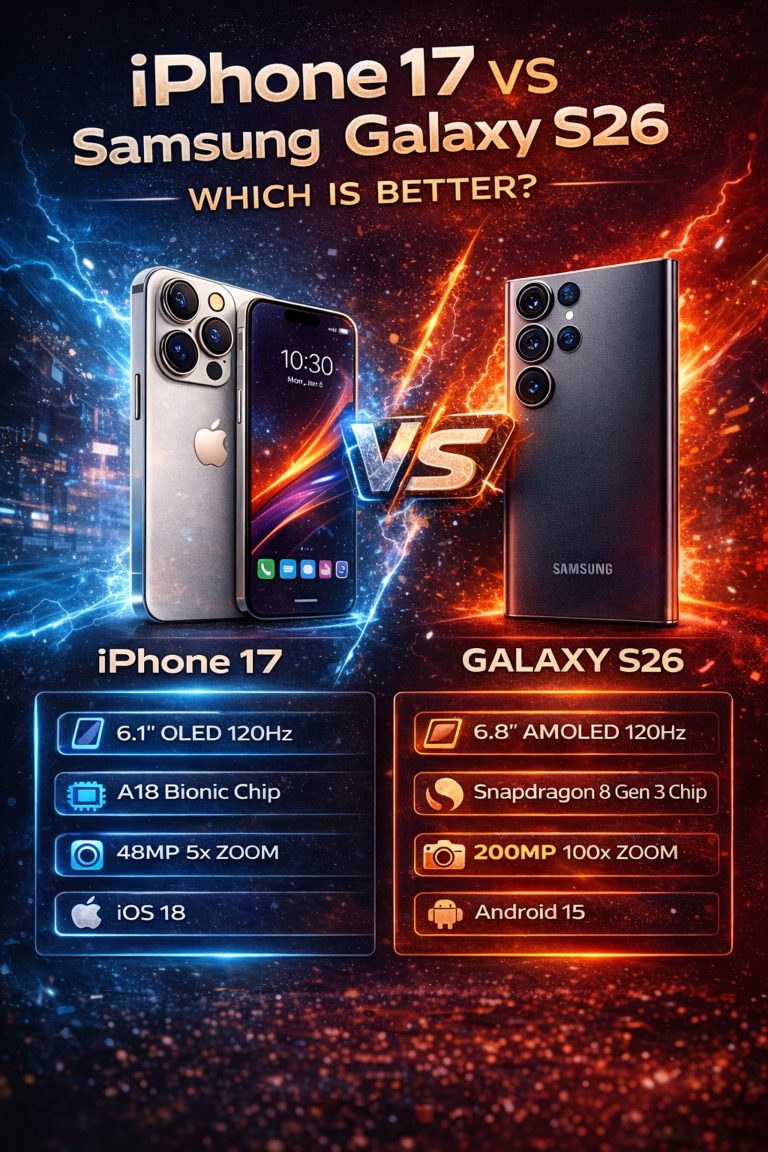
Cameras pack bigger sensors and AI smarts, capturing details like never before. iPhones use deep fusion tech for natural colors in low light, perfect for night walks or indoor shots. Androids, like the Galaxy S26, add periscope lenses for 100x zoom, ideal for wildlife or sports.
Video gets a boost too. Apple’s cinematic mode now handles 8K with steady tracking, while Samsung’s AI edits clips on the fly—add filters or cut boring parts automatically. Both sides excel, but iPhone wins for consistent quality across apps.
Think about your shots: If you chase sunsets, Android’s low-light video might edge out. For quick social posts, iPhone’s editing tools save time. Benchmarks show both top 150 points on DXOMARK tests, so sample photos before committing.
- iPhone strengths: Effortless portraits and color accuracy.
- Android strengths: Zoom power and creative AI filters.
Performance Benchmarks: Chip Architecture in 2026
Apple’s A20 chip crushes single tasks, rendering AR apps in seconds without heat buildup. It pairs with M-series tech for laptop-like power in a phone. Android’s Snapdragon 8 Gen 4 and Tensor G4 focus on multi-core speed, great for gaming marathons or video renders.
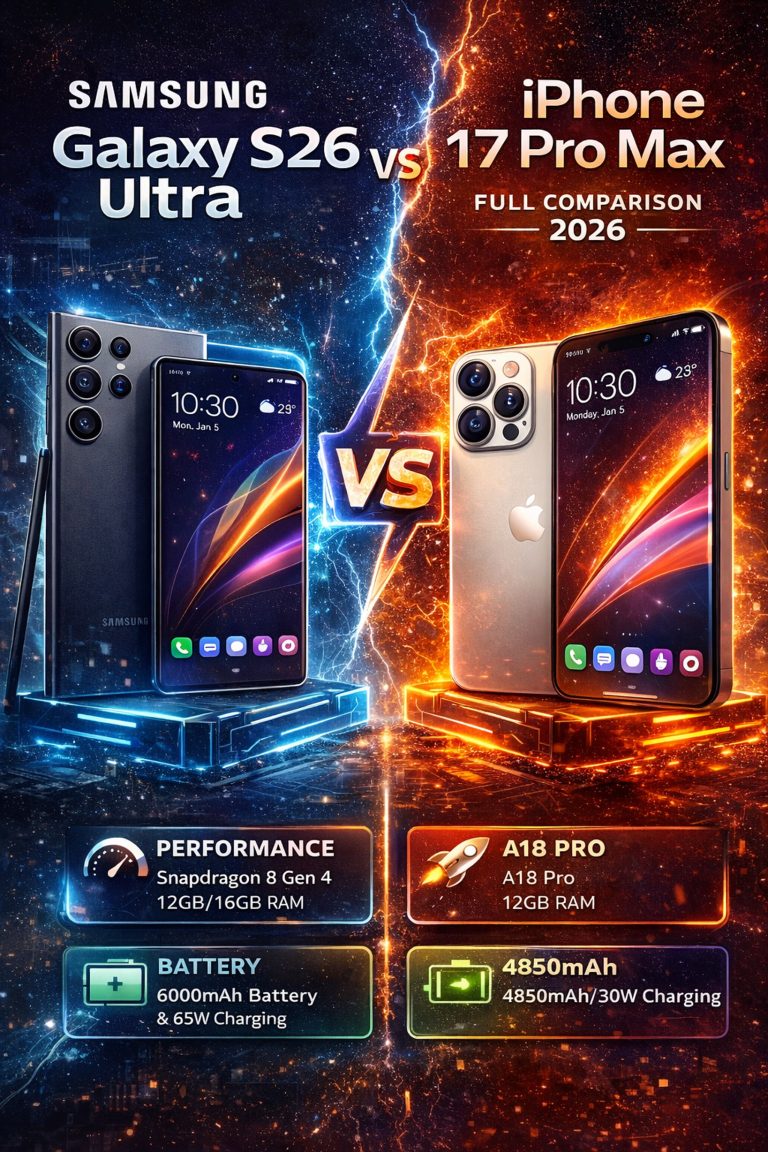
Battery life improves across the board—solid-state cells hit 20 hours of mixed use. iPhones sip power for all-day screen time, while Androids add fast wireless charging up to 65W. In tests, both handle VR smoothly, but Apple’s sustained performance avoids throttling during long sessions.
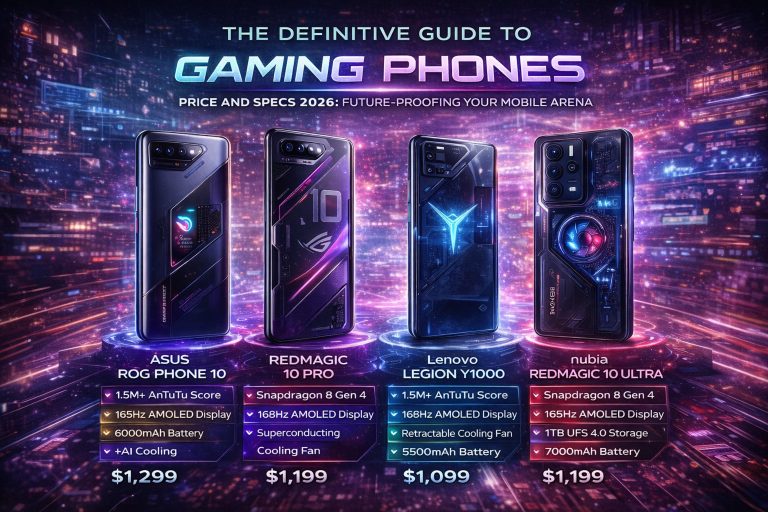
For power users, Android’s chip variety lets you pick gaming-focused models. Everyday folks? iPhone’s balance keeps things cool and reliable.
Section 3: The Total Cost of Ownership (TCO) and Resale Value
Buying a phone isn’t just the sticker price—it’s what you spend over years. In 2026, iPhone and Android differ in upfront costs, trade-ins, and extras that add up. Let’s crunch the numbers to see real value.
Initial Purchase Price Analysis
Flagship iPhones start at $1,099 for the base model, locking in premium build from day one. Android premiums like the Pixel 9 Pro match at $999, but mid-range options from OnePlus or Nothing hit $599 with near-top specs. These “flagship killers” give 90% of the power for half the cost.
Why the gap? Apple skips compromises, so you pay for polish. Android’s range lets budget buyers snag foldables or big batteries without breaking the bank. If cash matters, test a $700 Galaxy—it rivals iPhones in speed and cameras.
Over two years, the savings on Android add up, especially with carrier deals shaving $200 off.
Resale Value and Ecosystem Lock-in Depreciation
iPhones hold 70% of value after two years, per 2026 resale data from sites like Swappa. A two-year-old iPhone 17 sells for $600, beating Android’s 50% retention. This stems from Apple’s brand pull and update promises.
Switching hurts more on iOS—transferring photos or apps takes effort, and accessories like cases don’t always fit Android. Android users face less lock-in; data moves easy via Google Drive. But if you’re deep in Apple Music or iMessage, the friction keeps you put.
To cut losses, sell old gear before upgrading. iPhone shines for those who trade often.
Subscription Services and Hidden Costs
Apple One bundles storage, music, and TV for $30 monthly, covering most needs. Google One starts at $2 for basics, but extras like YouTube Premium push it to $20. Samsung tosses in free cloud space with purchases, easing Android costs.
Watch for add-ons: iPhones push AirPods links, adding $200 upfront. Android’s open apps mean free alternatives, but premium features in games or editors cost the same. Long-term, Apple’s ecosystem saves if you use all services; otherwise, Android’s flexibility keeps bills low.
Track your usage—do you need 2TB storage? Pick bundles that match.
Section 4: Security, Privacy, and Customization Freedom
Security keeps your data safe in a connected world. iPhone and Android tackle threats differently, with one favoring strict rules and the other user choice. Privacy tools help you stay in charge.
Apple’s Approach: Security Through Control
Apple’s sandbox keeps apps isolated, blocking malware before it spreads. Hardware ties to software mean fewer weak spots, with Face ID upgrades scanning for deepfakes in 2026. Reports show Apple fights 90% of government data grabs, sharing less than rivals.
This control means fewer viruses—iOS devices see under 1% infection rates yearly. You get peace of mind for banking or family photos. Drawback? Less room to tweak, so power users feel boxed in.
Android’s Flexibility: Openness and User Control
Google Play Protect scans apps in real time, catching 99% of threats by 2026. Makers like Samsung add Knox for extra layers, patching fragmentation with monthly updates on flagships. Sideloading lets you install custom ROMs for ad-free experiences.
Power users love this—root your phone to block trackers or boost speed. But risks rise with tweaks; one bad app can open doors. Example: Modify a Pixel for VPN always-on, a feat iOS blocks.
Balance freedom with care—top models match iPhone safety now.
Data Ownership and Transparency Tools
iOS dashboards show exact app tracking in simple charts, letting you revoke access with one tap. Android’s privacy hub lists permissions, but it’s clunkier across brands. Both let you delete data, but Apple’s auto-purge feels more hands-off.
For Android security tips:
- Enable two-factor on all accounts.
- Use verified apps only.
- Run weekly scans with built-in tools.
Choose based on trust—iPhone for set-it-and-forget-it, Android for hands-on control.
Conclusion: Making the Final Choice for 2026
Wrapping up, iPhone and Android in 2026 offer strong paths, each suiting different lives. AI smarts, hardware tricks, cost breakdowns, and security picks highlight trade-offs without a clear champ. Your habits decide the winner.
Key Takeaways for the Ecosystem Loyalist
If you’re all-in on Apple, stick there for easy updates and resale bucks—your Watch and Mac pair perfect. Android fans, stay for custom skins and cheap hardware that grows with you. Switching? Weigh data moves against fresh features.
Loyalty pays if investments run deep, like family iMessage groups or Google Photos libraries.
The Deciding Factor: AI Experience vs. Hardware Potential
Go iPhone for smooth AI that just works, plus strong trade-in value. Pick Android to explore foldables and tweaks that match your style. iPhone suits simple premium life; Android fits tinkerers chasing the next big thing.
Ask: Do you want reliability or room to play?
Your Next Steps
Narrow by needs—AI for busy pros, foldables for creators, battery for travelers. Visit stores, compare models, and read reviews. Whichever you choose, 2026 phones elevate your day—pick what sparks joy and fits your wallet. Ready to upgrade? Start with what excites you most.