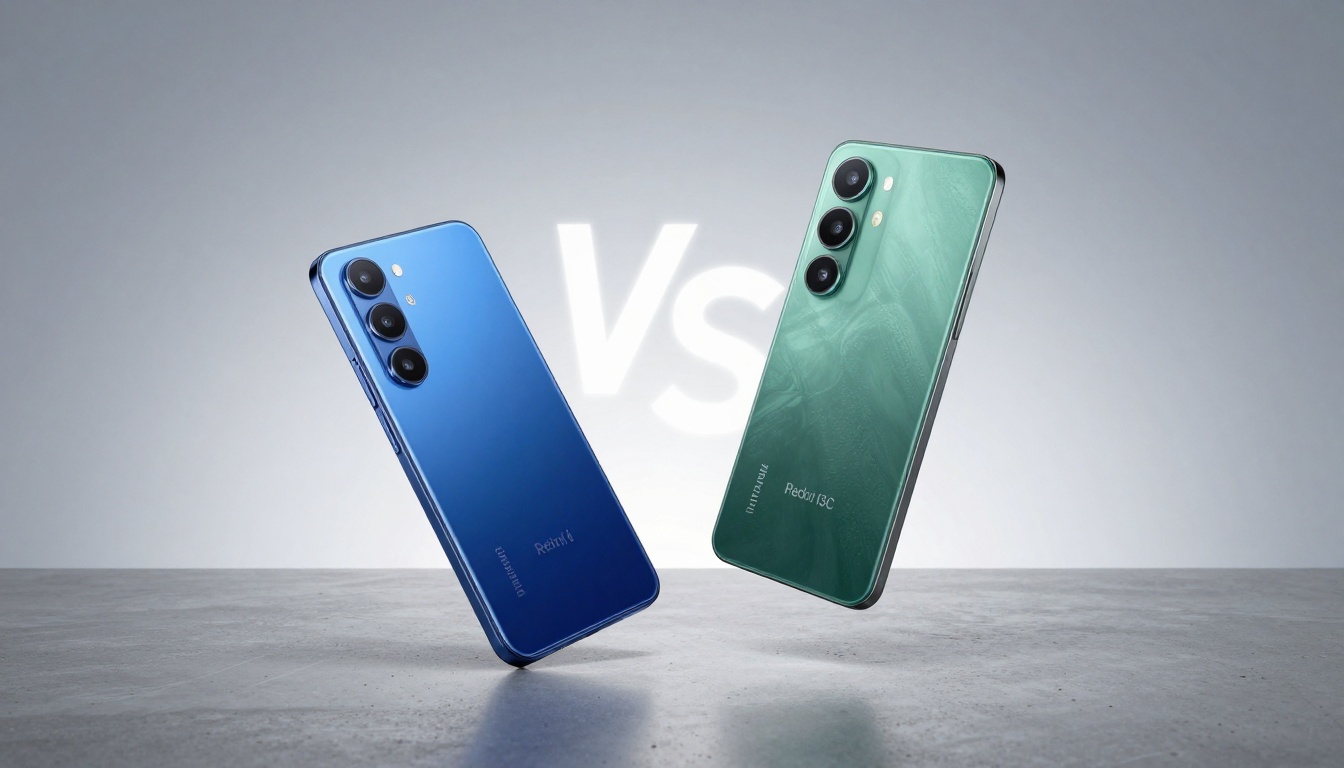
Samsung Galaxy A25 vs Redmi 13C: Which Budget Phone Wins?
In the world of cheap phones under $300, picking the right one can feel like a tough choice. You want solid features without breaking the bank. The Samsung Galaxy A25 and Xiaomi Redmi 13C stand out as top picks in this budget smartphone battle. Both offer great basics for daily use. But which one gives you the best bang for your buck in the long run? Let’s break it down step by step.
Design and Build Quality: First Impressions Matter
Your phone’s look and feel set the tone for everyday use. The Samsung Galaxy A25 and Redmi 13C both aim for simple, sturdy designs in this price range. They use plastic for the back and frame to keep costs low. Yet, small differences in size and protection can make a big impact.
Display Technology Comparison: AMOLED vs. LCD Brightness
The Galaxy A25 rocks a 6.5-inch Super AMOLED screen. It delivers deep blacks and vibrant colors that pop during movies or photos. Peak brightness hits 1,000 nits, so you see clearly even in bright sun.
On the flip side, the Redmi 13C has a larger 6.74-inch LCD display. Colors look good but not as rich as AMOLED. It reaches about 600 nits and runs at 90Hz for smoother scrolls than basic phones.
The A25’s 120Hz refresh rate makes swiping feel extra fluid. Outdoor use favors the A25 too, thanks to better visibility. If you watch a lot of videos, that AMOLED edge shines through.
Ergonomics and Durability Ratings
The A25 measures 161 x 76.5 x 8.3 mm and weighs 197 grams. It fits nicely in your hand without feeling bulky. The Redmi 13C is a bit bigger at 168 x 78 x 8.1 mm and 192 grams. Some find it less comfy for long holds.
Both skip metal builds for plastic, which keeps them light. Samsung adds an IP67 rating on the A25 for dust and water resistance up to 1 meter. The 13C lacks any official rating, so spills could be riskier.
Fingerprint sensors differ too. The A25 puts it on the side button for quick access. The 13C uses a rear one, which works but feels dated. Overall, the A25 wins for daily toughness.
Core Performance: Processing Power and Day-to-Day Speed
Speed matters for apps, browsing, and light games. Neither phone is a powerhouse, but they handle basics well. Let’s see how their chips stack up in this budget phone comparison.
Chipset Deep Dive: Exynos vs. Helio Benchmarks
The Galaxy A25 runs on the Exynos 1280 chip. It scores around 400,000 on AnTuTu tests. That means smooth multitasking with apps like social media or email.
The Redmi 13C uses a MediaTek Helio G85. It hits about 200,000 on the same benchmark. It’s fine for casual tasks but lags in heavier use.
RAM options go up to 8GB on the A25 and 6GB on the 13C. Storage starts at 128GB for both, with microSD slots. In real life, the A25 opens apps faster. Gaming like Candy Crush runs better on it too.
Software Experience and Update Commitment
Samsung’s One UI on the A25 feels clean and easy. You get four years of OS updates and five years of security patches. That’s huge for keeping your phone safe and fresh.
The 13C comes with MIUI, now shifting to HyperOS. Updates are shorter, often two years max. It has more pre-installed apps that clutter things up.
If you keep phones long, Samsung’s support adds real value. The A25 avoids bloat better out of the box. Users report fewer crashes too.
Camera Capabilities: Capturing Life on a Budget
Budget cameras have improved a lot. Both phones pack 50MP main sensors. But software tweaks make the difference in photos you actually like.
Main Sensor Showdown: Resolution vs. Image Processing
The A25’s 50MP sensor uses pixel binning for sharp 12.5MP shots. Samsung’s processing boosts colors and handles low light well. Night photos show less noise than expected.
The 13C also has a 50MP main camera. It does okay in daylight but struggles in dim rooms. Dynamic range isn’t as wide, so skies look washed out sometimes.
Neither has optical image stabilization. Videos top out at 1080p on both. For quick snaps of family or food, the A25 pulls ahead with better details.
Ultra-Wide and Macro Performance Analysis
The A25 includes an 8MP ultra-wide lens. It captures wider scenes like group shots or landscapes without much distortion. The 13C skips ultra-wide for a 2MP macro and depth sensor.
Macro lenses on budget phones like the 13C zoom close for flowers or bugs. But results often look fuzzy. The A25’s ultra-wide proves more useful day to day.
Selfies use 13MP front cameras on both. Skin tones look natural on the A25. Overall, don’t expect pro results, but the A25 edges out for versatile shots.
Battery Life and Charging Ecosystem
Nothing kills the day like a dead battery. These phones aim for all-day power on a single charge. Efficiency from their chips plays a key role here.
Longevity Tests: Real-World Usage Scenarios
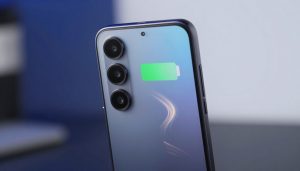
Both pack 5,000mAh batteries. The A25 lasts about 10 hours of screen time with mixed use like browsing and video. Its efficient Exynos chip helps stretch that further.
The 13C matches with around 9-10 hours too. The Helio G85 sips power for lighter tasks. Heavy gaming drains it quicker than the A25.
In tests, the 13C edges out in standby time. But for active days, they’re neck and neck. You won’t charge midday often with either.
Wired Charging Speeds and Accessory Inclusion
The A25 supports 25W fast charging. It hits 50% in 30 minutes. Samsung skips the charger in the box, so you might need to buy one.
The 13C handles 18W charging. Full top-up takes about two hours. Good news: it often includes the charger, depending on your region.
Both use USB-C ports. No wireless charging here, as expected in budgets. If speed matters, grab a compatible charger for the A25.
Value Proposition and Final Verdict
Price tags start around $200 for the 13C and $250 for the A25. But true value looks at the full picture over time.
Total Cost of Ownership: Beyond the Sticker Price
The 13C saves money upfront. It’s great if you upgrade yearly. Resale value stays low though.
The A25 costs more at first but holds value better. Longer updates mean it stays relevant. Factor in repair ease from Samsung too.
For longevity seekers, the A25 pays off. Save now with the 13C if cash is tight. Check deals to narrow the gap.
Which Budget King Reigns Supreme? A Use-Case Summary
The A25 shines in display quality and software support. Pick it for movies, updates, and a premium feel.
The 13C wins on price and big screen size. Go for it if basics like calls and light apps are enough.
- Media lovers: A25 for that AMOLED glow.
- Gamers on a shoestring: A25 handles more.
- Absolute bargain hunters: 13C delivers.
If you value future-proofing, the Samsung Galaxy A25 takes the crown. For pure savings, the Redmi 13C fits.
Conclusion: Making the Smartest Purchase Decision
The Samsung Galaxy A25 and Redmi 13C both deliver in the budget smartphone showdown. The A25 leads with better screen, performance, and updates for long-term use. The 13C keeps things affordable with solid basics and a larger display.
Think about your needs. Do you want reliability over years? Grab the A25. Need the cheapest option now? The 13C works fine.
Either way, these phones prove you don’t need to spend big for good tech. Check local prices and read user reviews before buying. Your next budget phone awaits—what will you choose?