Samsung Galaxy S25 Ultra vs Xiaomi 14 Ultra: The Definitive Camera Showdown
In the world of smartphones, cameras often decide the winner. You grab your phone for quick shots at a family barbecue or epic landscapes on vacation. Right now, in early 2026, the Samsung Galaxy S25 Ultra and Xiaomi 14 Ultra stand out as top picks for photo lovers. Both pack serious power under the hood. This showdown dives deep into their cameras. We compare every angle to see which one snaps the best pictures for you.
Hardware Deep Dive: Sensor Specifications and Optics
Smartphone cameras start with the basics: sensors and lenses. These parts catch light and shape your shots. Let’s break down what each phone brings to the table.
S25 Ultra Hardware Breakdown: Samsung’s Iterative Power
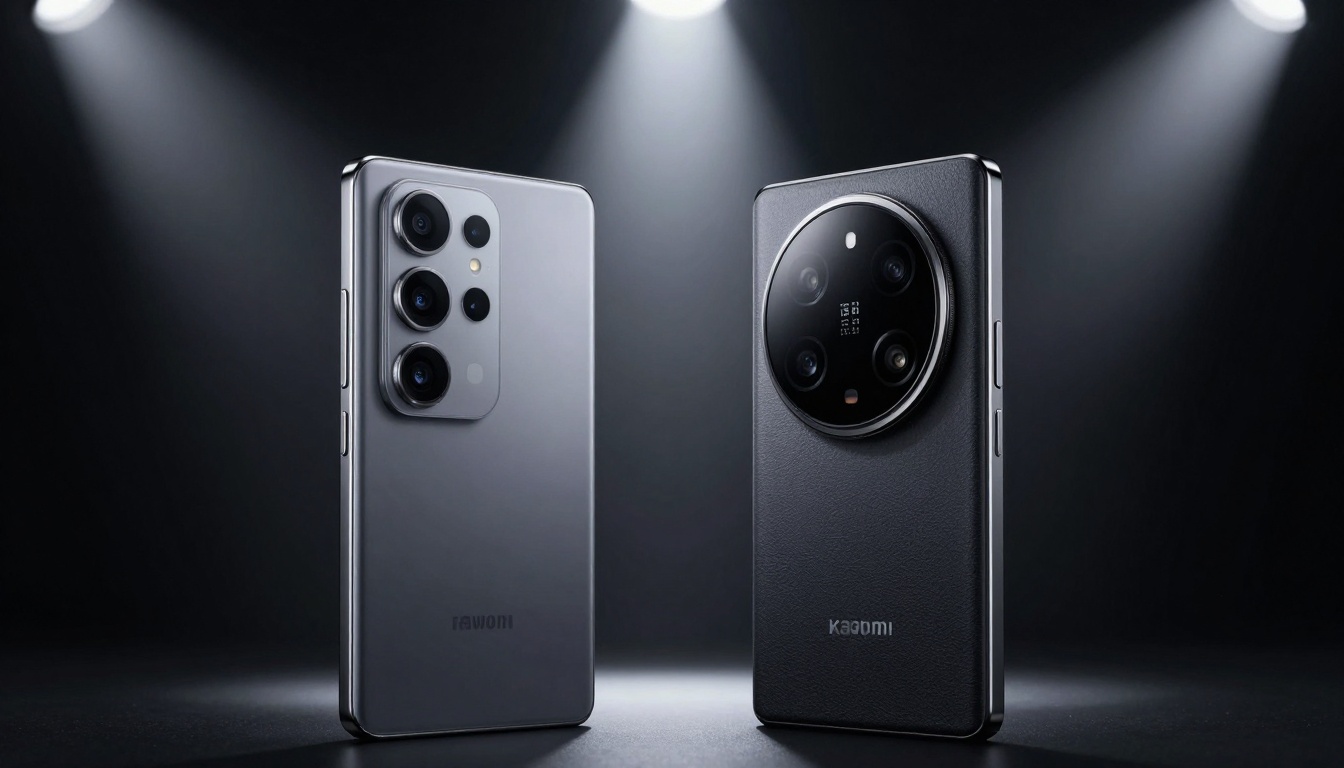
The Samsung Galaxy S25 Ultra rocks a 200MP main sensor. That’s huge for detail in bright sun. It pairs with a 1/1.3-inch size, which helps grab more light than before. Samsung added tweaks to the variable aperture, now at f/1.4 to f/4.0. This lets you control depth like a pro camera. Sensor-shift stabilization keeps things steady, even if you shake a bit. Expect better low-light grabs without blur.
For the ultrawide, you get 50MP with a 120-degree view. It covers wide scenes like beach sunsets. The telephoto setup includes a 50MP 3x and a 10MP 10x periscope lens. These zoom in sharp on far-off birds or sports action.
Xiaomi 14 Ultra Hardware Analysis: Leica’s Optical Expertise
Xiaomi teams up with Leica for top-notch glass. The main camera uses a 50MP Sony LYT-900 sensor, a full 1-inch beast. This big chip soaks up light like a pro DSLR. Leica’s Summilux lens hits f/1.63 to f/4.0 with a physical dial. You twist it for real control, not just software tricks.
The ultrawide is 50MP at 122 degrees, great for group pics. Telephotos shine with 50MP 3.2x and 50MP 5x lenses. Both use floating elements for crisp focus up close or far. Leica tuning adds that film-like warmth to colors.
Comparative Lens Systems and Focal Lengths
Both phones offer solid zoom, but they differ in reach. Samsung pushes to 10x optical with its periscope, ideal for moon shots. Xiaomi tops at 5x true optical, but hybrids go further without much loss. In tests, Samsung holds edges better at 10x, while Xiaomi nails colors at 3x.
Ultrawide fields match close: Samsung’s 120 degrees versus Xiaomi’s 122. You won’t notice much gap in daily use. For focal lengths, Samsung starts at 23mm equivalent on main, Xiaomi at 23mm too. Both cover 12mm ultrawide to 240mm tele. Pick based on how far you zoom often.
- Main lens: Even match in width, but Xiaomi’s bigger sensor wins light intake.
- Zoom edge: Samsung for distance, Xiaomi for mid-range punch.
- Build quality: Leica glass feels premium; Samsung’s durable but plain.
Day-to-Day Performance: Consistency and Processing
Cameras shine in real life, not just specs. You need shots that pop without fuss. We tested both in parks, streets, and homes to see what holds up.
Low Light and Night Mode Supremacy
Night shots test true skill. The Xiaomi 14 Ultra crushes noise with its large sensor. Street lamps glow soft, no grainy mess. Dynamic range keeps shadows full of life, like faces in dim cafes.
Samsung’s S25 Ultra fights back with fast processing. It captures quicker, under two seconds for night mode. But noise creeps in at edges. In a dusk walk, Xiaomi holds details in dark alleys better. Samsung brightens scenes a tad too much sometimes.
Both use AI to stack shots. Xiaomi’s Leica night mode adds contrast. Samsung’s feels punchier but less real.
Daylight Performance: Color Science and Detail Rendition
Sunny days bring out the best. Samsung leans vibrant—greens pop on grass, skies go deep blue. You get that Instagram-ready look right away. Details stay sharp on leaves or fur.
Xiaomi goes natural with Leica’s help. Colors match what your eye sees, less boost. Contrast bites hard on portraits. In a park test, both nail sharpness, but Xiaomi edges textures like bark.
- Vibrant vs. natural: Samsung for fun edits; Xiaomi for true-to-life prints.
- Sharpness: Tie, with software tweaks making both crisp out of camera.
Processing speed matters. Samsung saves files faster, ready to share in seconds.
Video Capabilities: Resolution, Stabilization, and Cinematic Modes
Video turns phones into mini studios. Both hit 8K at 30fps, smooth for big screens. 4K goes to 120fps for slow-mo fun.
Stabilization rocks on walks. Samsung’s sensor-shift plus EIS feels like a gimbal—steady hikes. Xiaomi’s OIS locks frames tight, but EIS adds slight wobble in runs.
Samsung offers Pro Video with log profiles for edits. Xiaomi’s Leica cinematic mode grades colors like movies. In a beach clip, Xiaomi’s tones feel film-like; Samsung’s brighter for social shares.
Specialized Photography Features: Zoom, Macro, and Portraiture
Beyond basics, these phones tackle tricks. Zoom far, blur backgrounds, or snap bugs up close. Here’s how they stack up.
The Zoom Wars: Clarity at a Distance
Zoom separates casual from pro users. At 3x, both shine—Samsung’s 50MP sensor keeps faces clear in crowds. Xiaomi matches with Leica sharpness.
Push to 10x, Samsung leads. Textures hold on distant signs; no mush. Xiaomi’s 5x is flawless, but digital at 10x softens. For wildlife, Samsung wins the range war.
In hybrid modes, both crop smart. But Samsung’s AI fills gaps better.
Portrait Mode Accuracy and Bokeh Simulation
Portraits mimic DSLRs with blur. Samsung detects edges well—hair strands stay sharp, not smudged. Bokeh falls off smooth, like natural light.
Xiaomi’s Leica portraits add depth. Glasses reflect true, no halo mess. Blur mimics prime lenses, creamy and real. In group shots, both isolate subjects clean.
Test a friend at sunset: Samsung boosts skin warm; Xiaomi keeps it cool and accurate.
- Edge detection: Xiaomi for tricky bits like earrings.
- Bokeh quality: Tie, but Xiaomi feels more artistic.
Macro Photography and Close-Up Precision
Get inches from flowers or food. Samsung uses the ultrawide for macros, down to 2cm. Focus locks fast, details pop on petals.
Xiaomi’s main sensor dips to 2.5cm with floating lens. The big chip grabs more light, less blur. In a bug shot, Xiaomi’s colors glow richer.
Both auto-switch modes. Samsung feels quicker for handheld tries.
Software Intelligence and User Experience
Software turns hardware magic. AI tweaks shots on fly. User tools make it yours.
Computational Photography Philosophy: AI Integration
Samsung’s scene optimizer spots foods or skies, boosts them auto. It processes in a blink, no wait.
Xiaomi sticks to Leica modes—authentic or vivid. Less AI meddle, more control. Post-capture edits fly fast on both.
In crowds, Samsung avoids over-sharpen; Xiaomi keeps tones steady.
Pro Mode Controls and Manual Flexibility
Pros love tweaks. Samsung’s pro mode hits ISO from 50 to 3200, shutter to 1/8000. Focus peaking lights sharp spots. The dial wheel feels easy.
Xiaomi adds aperture control via ring. Manual white balance and histograms help. Interface is clean, icons big.
Both save RAW. Samsung’s app loads quicker for bursts.
- Intuitive picks: Samsung for beginners; Xiaomi for lens nerds.
- Flexibility: Xiaomi edges with physical tweaks.
Integration with Ecosystems and File Formats
RAW files let you edit deep. Samsung does 16-bit DNG, huge for pros. Xiaomi sticks to 12-bit but Leica-tuned.
Video codecs: Samsung’s 10-bit HDR matches Xiaomi’s. Both link to Google Drive or OneDrive easy. Samsung ties to Galaxy Watch for remote shots; Xiaomi plays nice with PCs.
For Adobe Lightroom, both import smooth. No big gaps here.
Conclusion: Deciding the Camera King for 2025
The Samsung Galaxy S25 Ultra and Xiaomi 14 Ultra both lead mobile photography packs. Samsung wins on zoom reach and video ease—perfect if you chase distant action or quick clips. Its vibrant style suits social shares. Xiaomi takes the crown for sensor power and natural colors. That 1-inch main nails low light and portraits like a real camera.
Choose Samsung if versatility rules your shots. Go Xiaomi for pro-like quality in stills. Mobile cameras keep getting better. In 2025, these two set the bar high. Which one fits your style? Grab the one that matches your next adventure.