Smartphone Buying Guide 2026: Future-Proofing Your Next Mobile Purchase
By 2026, smartphones have changed so much that picking one feels like choosing a new car. AI helps with daily tasks, batteries last days on a charge, and screens fold like paper. You might wonder if your old phone can keep up. This guide cuts through the noise. It helps you find the right device that fits your life and lasts for years.
Section 1: Defining Your Needs in the Next Generation of Smartphones
Think about how you use your phone each day. Do you game for hours? Or just check emails and texts? Knowing this shapes your choice.
Identifying Core Usage Profiles (The Power User vs. The Essentialist)
Power users push their phones hard. They edit videos, run apps, and multitask like pros. If that’s you, look for top speed and big storage.
Ask yourself these questions to nail your needs:
- How many apps do I run at once?
- Do I film in high quality often?
- Is travel part of my routine?
Essentialists want basics done well. They need clear calls, simple cameras, and long battery life. A mid-range phone works fine for them. No need for extras that cost more.
Both types benefit from 2026 tech. But match the device to your habits. That way, you avoid buyer’s regret.
Budget Tiers and Expected Feature Parity in 2026
Prices stay steady this year. Entry-level phones start at $300. They offer solid basics like 5G and good cameras.
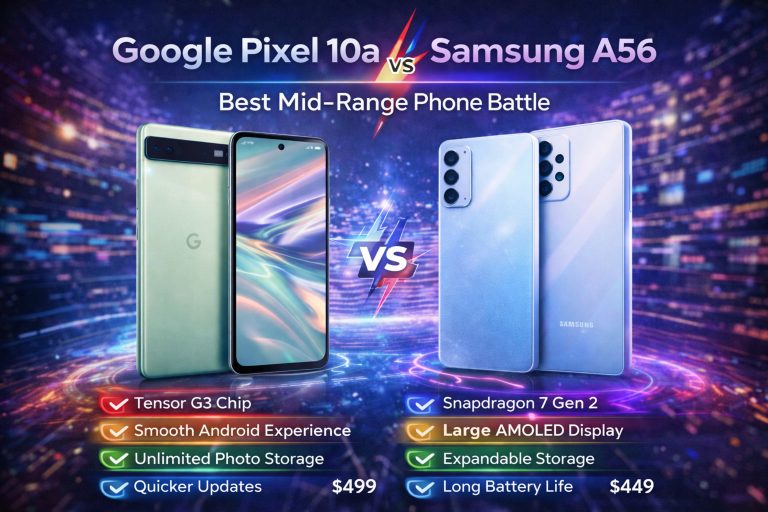
Mid-range options hit $500 to $800. By now, these pack features from old flagships. Think high-refresh screens and fast chips.
Premium phones top $1,000. They add foldables or pro cameras. But mid-range closes the gap. You get 90% of the power for half the price.
Watch for deals. Carriers often bundle plans with phones. Check reviews for value picks.
Longevity and Software Support Commitments
Phones last longer with good updates. Brands promise 5 to 7 years of OS boosts and security fixes. This keeps your device safe and fresh.
Samsung and Google lead here. Apple follows close. It lowers the total cost over time. No need to buy new every two years.
Pick a phone with strong support. It saves money and cuts waste. Check the fine print on each model.
Section 2: Hardware Deep Dive: Performance and Processing Power
Hardware makes or breaks speed. In 2026, chips focus on smart tasks, not just raw power.
Understanding Next-Gen Chipsets (AI Acceleration Focus)
Chipsets now shine with AI parts. These handle photo edits or voice commands on the phone. No cloud needed.
Look for 3nm chips from Qualcomm or Apple. They run cool and fast. Snapdragon 8 Gen 4 sets the bar.
Tests show AI speeds up tasks by 40%. Great for real-time help like live captions. Gamers notice less lag too.
RAM and Storage Realities: How Much is Truly Necessary?
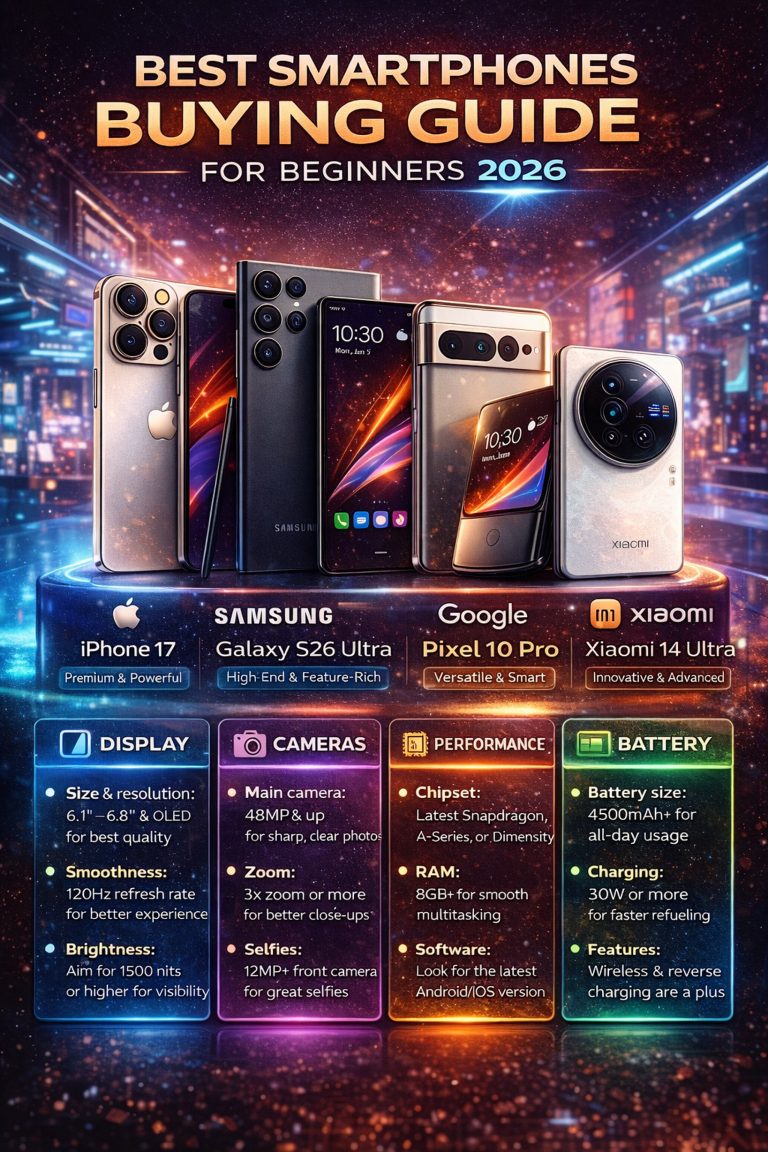
Most flagships come with 12GB RAM. That’s enough for smooth multitasking. Mid-range hits 8GB and feels zippy.
Storage jumps to UFS 5.0. It loads apps quick. Base models offer 256GB now. Apps and videos eat space fast.
You need at least 128GB. But 512GB fits 8K clips easy. Cloud storage helps, but local is faster.
Battery Technology Breakthroughs and Charging Speeds
Batteries use new stuff like silicon anodes. They hold more juice in small sizes. Expect 5,000mAh as standard.
One charge lasts two days for light use. Heavy users get a full day.
Charging hits 100W wired. Full in 20 minutes. Wireless at 50W matches. Safety features prevent fires.
Section 3: The Visual Experience: Displays, Cameras, and Biometrics
Screens and cameras define how you see the world. 2026 brings sharper views and smarter shots.
Display Panel Evolution: LTPO, Brightness, and Under-Display Tech
LTPO screens adjust refresh rates. They save battery on static pages. 1Hz to 120Hz feels smooth.
Peak brightness reaches 2,000 nits. You read outside in sun easy.
Under-display cameras hide front lenses. No notches. Selfies look natural.
Computational Photography Ascendant: Sensor Size vs. AI Stacking
AI beats big sensors alone. It stacks shots for clear night photos. All phones do this well now.
Stabilization keeps videos steady. Mid-range models match old pros.
Main cameras hit 200MP. But software makes the magic. Test samples before buying.
Biometric Security Beyond Face and Fingerprint
Face scans use 3D maps. They work in dark rooms. Faster than passcodes.
Fingerprints sit under screens. Quick and sure.
Some phones add health checks. Like heart rate via camera. Useful for fitness fans.
Section 4: Connectivity and Ecosystem Integration
Staying connected matters. 2026 phones link worlds better.
6G Readiness and Enhanced Wi-Fi Standards
6G rolls out slow. But chips support it. Low lag helps gaming and calls.
Wi-Fi 7 speeds data. Downloads fly at home.
Look for these in specs. They future-proof your buy.
The Role of Satellite Connectivity
Satellite links save you in remote spots. Send texts when no signal.
Apple and others add this. It’s key for hikers. But city folks skip it.
Cost extra on some plans. Weigh if you need it.
Seamless Cross-Device Continuity (Ecosystem Lock-in Analysis)
Ecosystems tie devices. Apple’s AirDrop shares files fast between iPhone and Mac.
Google’s works with Android and Chromebooks. Samsung DeX turns phone into PC.
If you own one brand, stick. It saves hassle. Mix brands? Use apps like Nearby Share.
Tips for locked-in users:
- Check app support across gear.
- Test handoff in store.
- Back up data often.
Section 5: Form Factor Futures and Sustainability Considerations
Design and green choices shape 2026 phones.
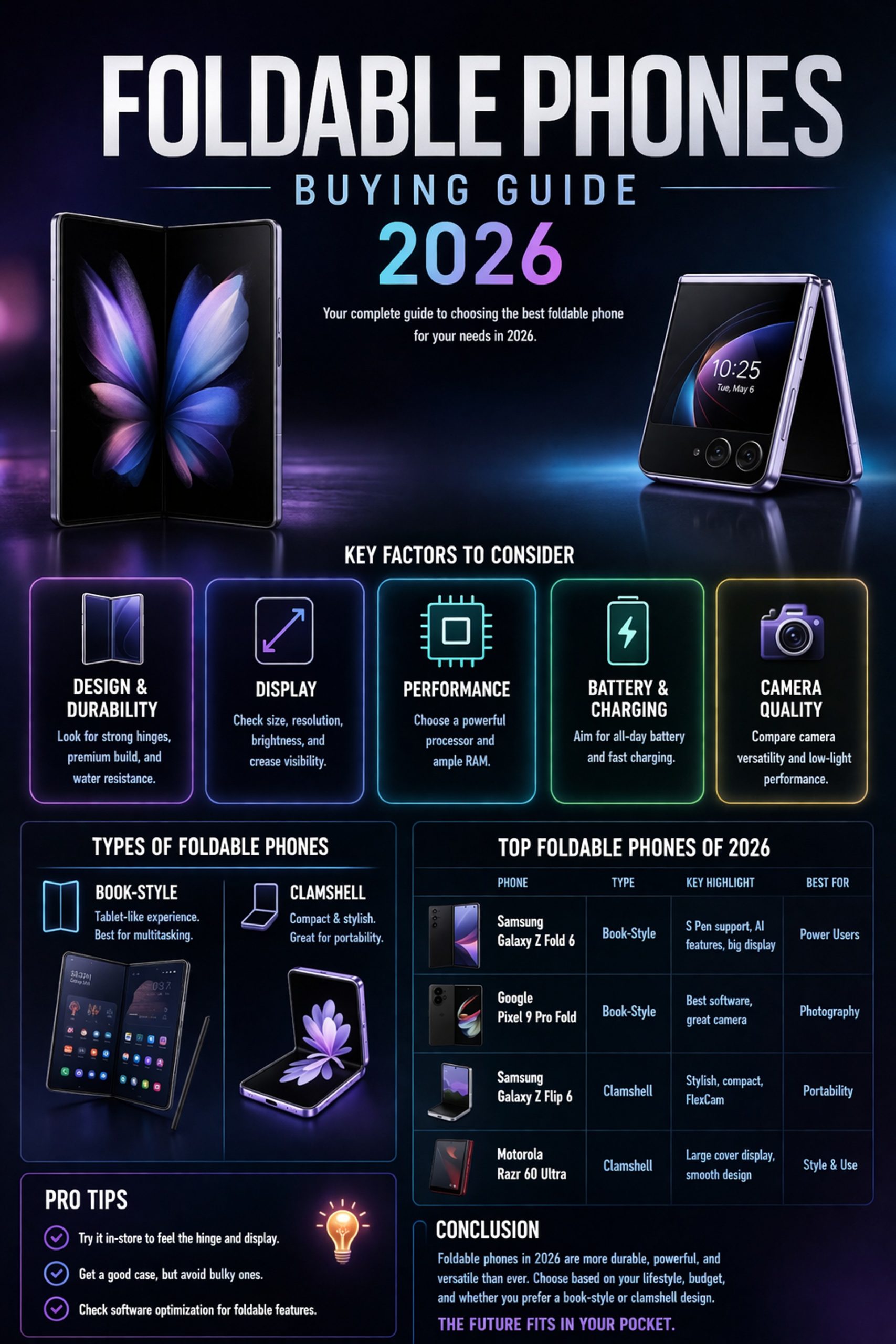
The Maturation of Foldables
Foldables last longer now. Hinges take 200,000 folds. Prices drop to $1,200.
Switch if you want big screen in pocket. Great for movies or work.
But slabs suit most. They cost less to fix.
Material Science and Repairability Scores
Phones use recycled parts. Aluminum and glass from old devices.
Brands like Fairphone score high on repairs. Easy battery swaps.
Check iFixit ratings. Aim for 7/10 or better.
Actionable Tip: Selling Your Old Device Responsibly
Trade-ins give quick cash. But private sales fetch more. Sites like eBay work.
Wipe data first. Use factory reset and apps like Shreddit.
- Back up photos and files.
- Remove SIM and accounts.
- Test before shipping.
Conclusion: Making the Smartest Purchase Decision in 2026
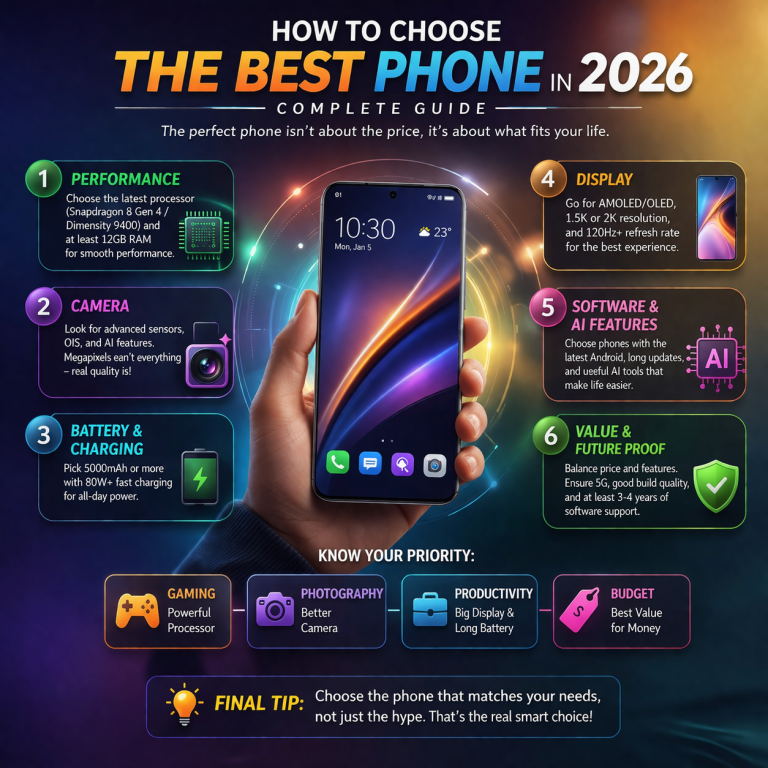
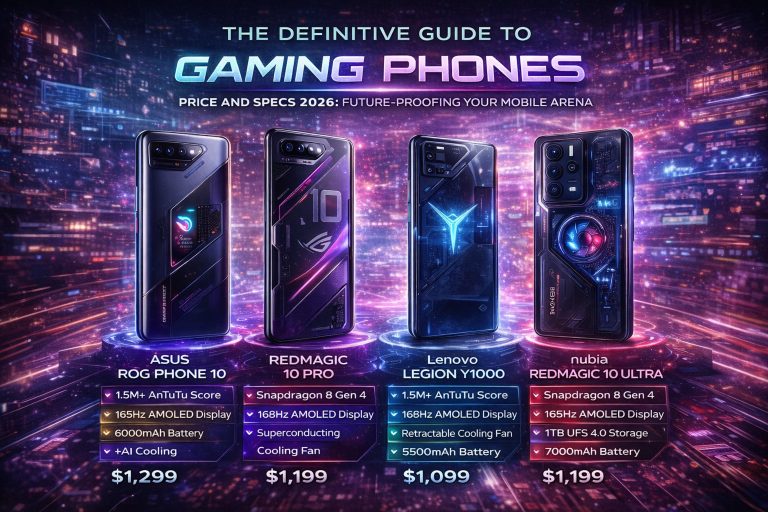
You now know the key parts of buying a smartphone in 2026. For gamers, pick a strong chipset. Creators need top cameras. Travelers want long battery.
Don’t chase every new feature. The right phone matches your needs. It saves money and stress.
Take time to research. Visit stores. Read user reviews. Your next phone should feel like an old friend. Ready to upgrade? Start with your daily habits. You’ll end up happy.