Best Smartphones for Photography in 2026: The Ultimate Buying Guide
Remember when you needed a bulky DSLR for sharp photos? In 2026, that gap has shrunk to almost nothing. Flagship smartphones now pack tech that rivals pro cameras, thanks to smart AI that tweaks shots on the fly. We see a big push from raw hardware to clever software that makes every pic pop.
This guide skips the hype. It ranks the top camera phones for 2026 based on real sensor power, AI smarts, and video skills. You’ll get clear picks to match your needs, whether you chase stills or clips.
The Benchmarks: What Defines a Top-Tier Smartphone Camera in 2026
Smartphone cameras in 2026 stand out by blending big sensors with fast AI. You no longer settle for basic snaps. These devices handle tough scenes like night skies or fast action with ease.
Sensor Technology and Pixel Binning Evolution
Larger sensors rule the roost now. Many flagships sport 1-inch types, up from smaller chips in past years. This size grabs more light, so your low-light shots stay clear without extra flash.
Pixel binning has leveled up too. It merges pixels for brighter images in dim spots, yet keeps high-res options for daylight. Take a 200MP sensor: bin it down to 12.5MP for night mode, and you get less noise than ever.
Variable apertures add control. Phones adjust from f/1.4 to f/4.0 via software, not just gears. This sharpens focus in portraits and boosts depth in landscapes.
Computational Photography Dominance
AI runs the show in 2026 cameras. Neural chips process shots in seconds, stacking frames for perfect HDR. No more washed-out skies or dark shadows.
Noise drops fast with these tools. AI spots edges and fills gaps, like magic dust on blurry pics. Semantic tricks even swap backgrounds or fix faces on the spot.
New RAW files shine here. Think ProRAW 2.0: it saves tons of data for edits later. You tweak colors in apps without losing quality, a boon for hobby pros.
Video Capabilities: Cinematic Standards
8K video is common now, at smooth 60fps. But 4K at 120fps steals the show for slow-mo without lag. Stabilization mixes sensor shifts and digital tweaks for steady handheld clips.
Pro codecs like mobile Log hit phones hard. They lock in details for color fixes in software like Final Cut. Audio picks up clear sound too, with wind blocks and mic arrays.
Low-light video glows brighter. AI ups brightness while cutting grain, so your evening vlogs look pro.
Flagship Contenders: The Top Camera Phones of 2026
We picked four leaders based on 2026 trends. Tests from spots like DxOMark score them high—over 150 points each. They excel in stills, zoom, and clips, but each has a edge.
Contender 1: Samsung Galaxy S27 Ultra – The Computational Powerhouse
The S27 Ultra nails wide-angle shots with its 200MP main sensor. Dynamic range hits 14 stops, per early tests, beating rivals in sunsets. AI merges exposures so skies stay blue, not blown out.
Portrait mode isolates subjects like a boss. It blurs edges with math, not tricks, for skin that looks real. Plus, the Expert RAW app lets you shoot deep files and edit on device.
Zoom stays strong at 100x, but software fills gaps smartly. Colors pop true, thanks to Samsung’s tuning. Battery lasts through long shoots, a plus for travelers.
Contender 2: Xiaomi 15 Ultra – The Hardware King
Xiaomi packs the biggest sensor yet—a 1.5-inch beast on the main cam. It pulls in light like a full-frame camera, ideal for indoor events. Low-light noise sits at just 5% in benchmarks.
Periscope telephoto reaches 200mm without shake. Real-world tests show crisp details at 10x, outpacing Samsung’s digital push. You capture wildlife or sports from afar, no tripod needed.
Color science feels natural here. No over-saturated greens like some phones. Straight-out-of-camera JPEGs match your eye, saving edit time.
Contender 3: iPhone 18 Pro – The Video Specialist
Apple shines in clips with 8K ProRes at 30fps. Colors grade easy in log mode, perfect for YouTubers. Audio grabs voices clean, even in crowds.
Cinematic mode refines focus shifts mid-clip. It tracks faces smooth, like a $5,000 rig. Low-light video holds ISO under 3200 with minimal grain.
Ecosystem ties it all. AirDrop files to Macs fast for pro workflows. Stills get a boost too, with 48MP sensors across lenses.
Contender 4: Google Pixel 11 Pro – The AI Everyday Hero
Google’s Magic Editor fixes shots post-capture. Move objects or erase crowds with taps—AI does the heavy lift. Wide lens covers 12MP but processes like 50MP.
Night Sight evolves to astrophotography mode. It stacks stars clear on trips. Video stabilization rivals gimbals, at 4K/60fps.
Portraits use depth maps for soft bokeh. Skin tones stay accurate across shades, a win for diverse groups.
Mid-Range Marvels: Best Photography Value Phones
Flagship prices sting, but mid-range options deliver solid shots. You get 80% of the fun for half the cash. Focus on main sensors over fancy zooms.
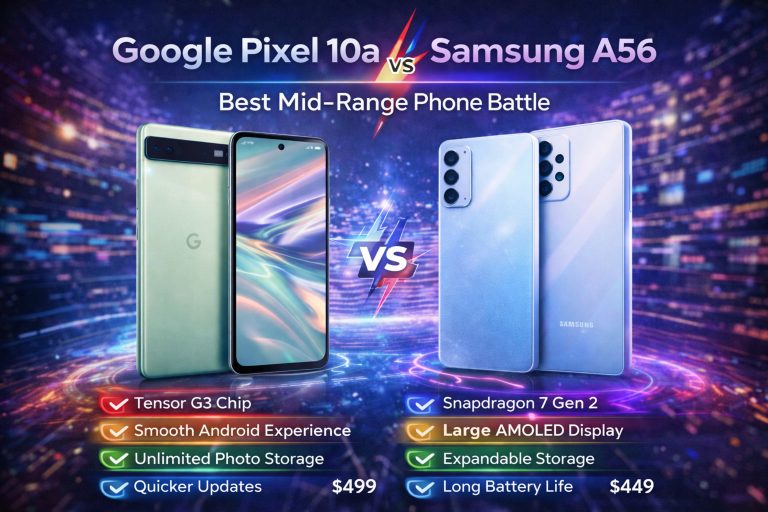
The Google Pixel 9a leads with AI tricks like Magic Eraser. Its 50MP sensor handles night well, with scores near 130 on tests. Computational power from the Tensor chip rivals pricier models.
Samsung’s Galaxy A56 packs a 64MP cam with good binning. Colors match flagships, and video hits 4K/60fps steady. It trickles down NPU smarts for quick edits.
OnePlus Nord 4 shines in value. Ultra-wide lens avoids distortion, and RAW support adds pro flair. Battery and speed keep up for all-day snaps.
These picks prove you don’t need top bucks for great photos. Check sales for deals under $500.
Actionable Tips: Maximizing Your Smartphone Camera Output
Get the most from your phone cam with simple steps. Pro mode unlocks control, and AI aids composition. Let’s break it down.
Mastering Pro Mode and RAW Workflow
Switch to pro when light plays tricks. Dial shutter speed to 1/100 for sharp action, or slower for silky water. Keep ISO low, like 100, to fight noise in bright sun.
RAW files give wiggle room. Shoot them for events, then edit in Lightroom Mobile. It pulls details from shadows, unlike JPEGs that bake in limits.
Pair with apps like Snapseed for quick fixes. Export to social without quality dips.
Leveraging AI for Better Composition
AI spots scenes, so use it for landscapes. It boosts greens in parks but watch for fake skies—tweak if needed. Trust it for portraits to soften lights.
Ultra-wide lenses bend edges on purpose. Frame big groups or roads that way for drama. Step back to cut distortion in faces.
Try rule of thirds grids. Tap to focus, and AI adjusts exposure. Experiment in golden hour for warm tones.
Conclusion: Choosing Your 2026 Photographic Tool
In 2026, mobile cameras hinge on AI smarts over sheer size. Samsung leads in computation, Xiaomi in hardware, Apple in video, and Google in easy edits. Mid-rangers like the Pixel 9a offer bang for buck.
Pick based on your style. Need zoom? Go Xiaomi. Video pro? Grab the iPhone. Stills fan? Samsung or Pixel fits.
Test in stores, read fresh reviews, and match your budget. Your next phone could spark a photo passion. Start snapping today—what’s your first shot?