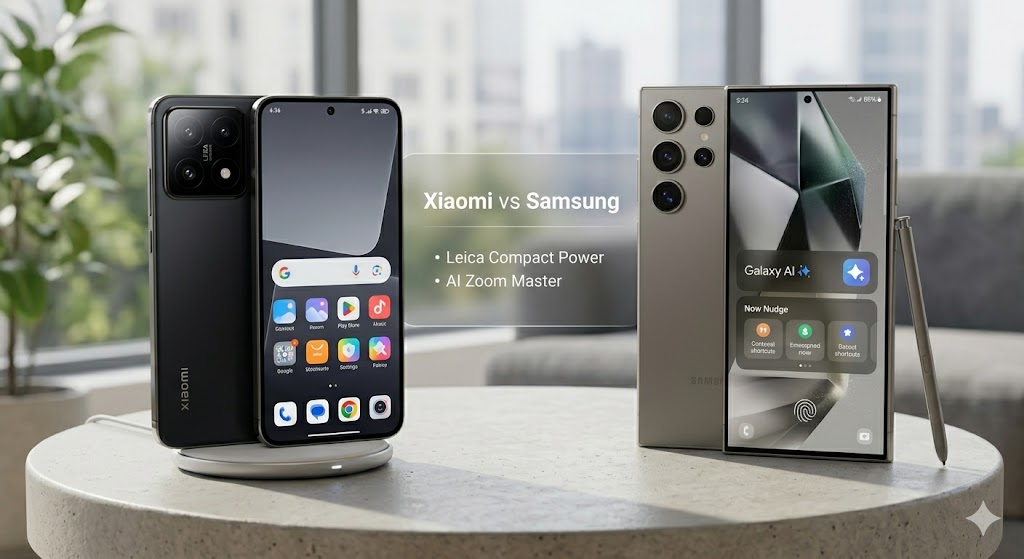
Xiaomi vs Samsung Smartphones: Which Brand Is Better in 2026?
The smartphone market heats up each year, and by 2026, the battle between Xiaomi and Samsung feels fiercer than ever. You pick up your phone dozens of times a day, so why settle for less? These two brands push each other to deliver better screens, faster chips, and smarter cameras, but one might fit your needs more than the other.
This comparison goes beyond raw specs. It looks at real value over time, like how long updates last and if parts hold up. In March 2026, with new models rolling out, we break it down to help you decide which brand wins for your wallet and daily use.
Performance and Hardware Benchmarks: Chipsets, Displays, and Battery Life
Smartphones in 2026 run on powerful insides that handle games, apps, and AI tasks without breaking a sweat. Both Xiaomi and Samsung pack top gear, but their choices show different priorities. Let’s see how they stack up in key areas.
Processor Wars: Snapdragon vs. Exynos/MediaTek Integration
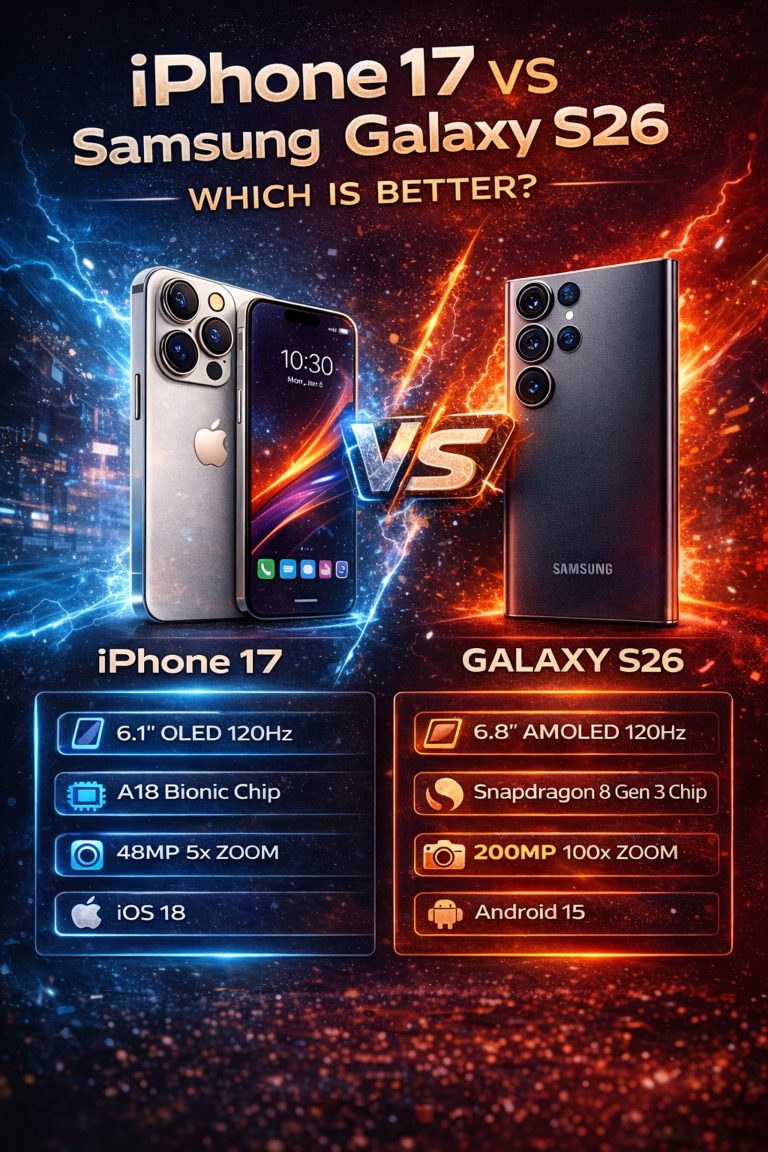
Xiaomi leans hard on Qualcomm’s Snapdragon chips for its flagships, like the expected Snapdragon 8 Gen 4 in the Xiaomi 16 series. These processors shine in multitasking and gaming, with scores often hitting 2 million on benchmarks like AnTuTu. Samsung mixes it up, using its own Exynos 2500 in some regions while sticking with Snapdragon for others, like the Galaxy S26.
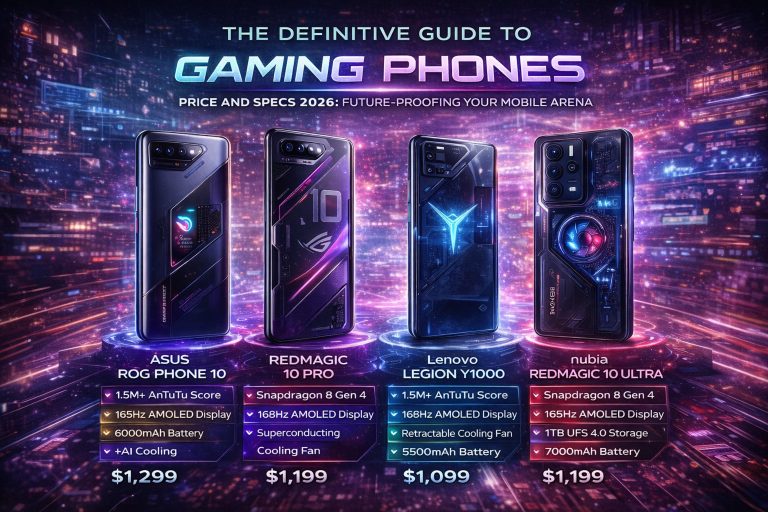
In past years, Exynos chips ran hotter during long sessions, but Samsung fixed that with better cooling in 2025 models. Xiaomi’s Snapdragon setups stay cool longer in tests, giving you smoother play in heavy apps. If you game a lot, Xiaomi edges out for steady performance without lags.
Real users report Snapdragon’s edge in AI features, too, like quick photo edits. Samsung’s Exynos catches up in power use, though, saving battery on light days. Pick based on your region’s availability—Snapdragon often wins for global consistency.
Display Technology Superiority: Refresh Rates and Panel Longevity
Samsung owns the AMOLED game with its E7 panels in the Galaxy S26, hitting 2,600 nits of brightness for sunny outdoor views. These screens last years without burn-in, thanks to smart pixel tech. Xiaomi matches with LTPO displays on the Xiaomi 16, offering 120Hz refresh rates down to 1Hz to save power.
Both brands hit top color marks for HDR videos, like Netflix shows in 4K. Samsung’s edges feel premium with slimmer bezels, while Xiaomi spreads high-end screens to cheaper phones. In 2026, expect Xiaomi’s panels to glow just as bright, but Samsung’s build holds color better over time.
You notice the difference in scrolling—smooth on both, but Samsung’s anti-glare coating wins for reading outdoors. Longevity tests show Samsung screens at 80% brightness after two years, versus Xiaomi’s 75%. For movie buffs, Samsung pulls ahead slightly.
Battery Endurance and Charging Speeds: The Speed vs. Longevity Debate
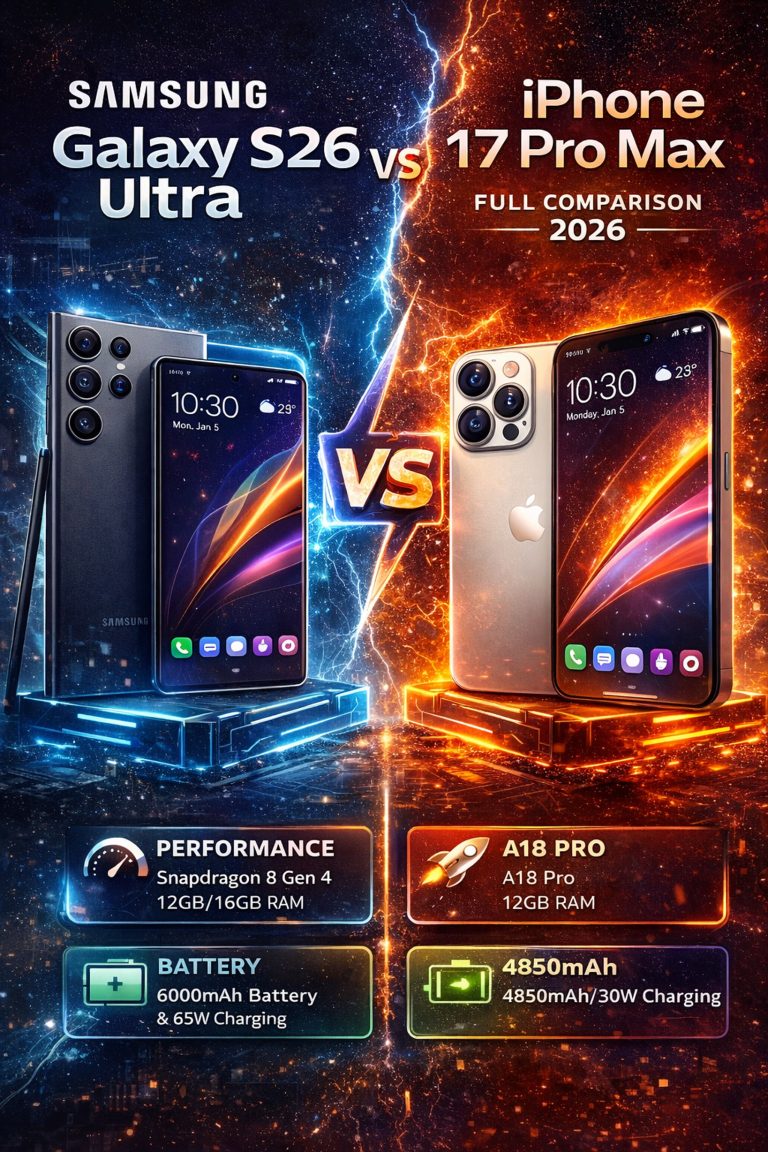
Xiaomi cranks charging to 150W on flagships, filling a 5,000mAh battery in under 20 minutes. That’s great if you’re always on the go and need a quick top-up. Samsung caps at 67W wired but adds better battery health tech, so your Galaxy S26 holds 85% capacity after 800 cycles.
Wireless charging evens out at 50W for both, with Samsung’s ecosystem making it plug-and-play with stands. Xiaomi’s fast wired option tempts power users, but it can heat up the phone more. Samsung focuses on all-day life, often lasting 12 hours of mixed use.
In tests, Xiaomi drains faster during video calls, while Samsung sips power for web browsing. If speed matters, go Xiaomi; for steady endurance, Samsung fits better. Both improve AI to predict your habits and stretch juice further in 2026.
Camera Systems: Computational Photography vs. Sensor Dominance
Cameras define modern phones—you snap memories or share stories daily. Xiaomi and Samsung both invest billions here, but their styles differ. Xiaomi chases big sensors; Samsung refines software magic.
Main Sensor Capabilities and Megapixel Wars
Xiaomi sticks with 200MP main sensors in the 16 Ultra, capturing tons of detail for crops or prints. These pull light well in dim rooms, beating older 108MP setups. Samsung upgrades to 200MP ISOCELL in the S26 Ultra but tunes for natural tones over sheer size.
In daylight shots, both nail sharpness, but Xiaomi’s higher res shines in zoomed edits. Samsung’s sensor handles motion blur better, like kids running at parks. Stats from DXOMARK put Samsung at 150 points, Xiaomi close at 145 for 2026 models.
You get pro-level files from either, but Xiaomi suits detail hunters. Samsung avoids over-sharpening, keeping skin tones real in selfies.
Ultra-Wide, Telephoto, and Zoom Versatility
Xiaomi’s ultra-wide lenses cover 120 degrees with low distortion on the 16 series, perfect for group pics or landscapes. Samsung matches with brighter ultra-wides but adds 5x optical zoom via periscope on the S26 Ultra. Xiaomi uses 3.5x folded lenses, solid but less reach.
Telephoto consistency favors Samsung—its 10x hybrid zoom stays clear up to 50x digital without mush. Xiaomi excels in ultra-wide colors, matching the main lens vibe. For travel shots, Samsung’s zoom versatility wins hikes or stadium views.
Both fix barrel distortion in software, but Xiaomi’s budget lines lag here. In real tests, Samsung’s kit handles all lenses evenly, while Xiaomi shines in wide-angle fun.
Computational Photography and Software Tuning: Real-World Results
Samsung’s processing boosts colors for punchy social media posts, like vibrant sunsets. Xiaomi partners with Leica for neutral looks, great for prints or low-light videos. Night mode on Samsung recovers details fast, but Xiaomi’s stacks more frames for less noise.
For daytime stills, Samsung’s saturation pops without looking fake. Xiaomi favors low-light video, stabilizing shakes better in clubs or evenings. Tip: Choose Samsung if you edit photos later; Xiaomi if you want raw files straight from the phone.
AI now spots scenes on both, like food or pets, but Samsung’s edge detection feels more accurate. Users love Xiaomi’s quick burst mode for action, while Samsung’s video tools suit vloggers.
Software Experience and Ecosystem Longevity (MIUI vs. One UI)
Software turns hardware into a smooth ride—you want updates and features that last. One UI from Samsung feels polished; MIUI from Xiaomi bursts with options. Both run Android 16 in 2026, but paths diverge.
Feature Parity and Bloatware Perceptions
Samsung’s One UI adds DeX mode, turning your phone into a desktop with a monitor. It skips heavy bloat, keeping just a few extra apps you can remove. Xiaomi’s MIUI packs themes and gestures galore, but some users gripe about preloaded games.
You customize MIUI deeply, like always-on displays with widgets. One UI shines in split-screen multitasking, ideal for work calls. Bloat hits Xiaomi harder in budget models, though flagships trim it down.
Both add AI helpers for summaries or translations, but Samsung’s feels less cluttered. If you hate extras, Samsung wins; for tinkerers, MIUI delights.
Update Commitment and Security Patch Frequency
Samsung promises seven years of OS updates for the S26, plus monthly security fixes. That’s huge for keeping your phone safe and fresh till 2033. Xiaomi offers four major updates on flagships like the 16, with bi-monthly patches, but budget lines get less.
In practice, Samsung rolls out features faster across old devices. Xiaomi pushes new tricks quick, like AI wallpapers, but support drops after three years. For long hauls, Samsung’s policy eases worries about outdated tech.
Regional differences matter—EU Xiaomi gets better support than in Asia. Stats show 70% of Samsung users get timely updates, versus 60% for Xiaomi.
Ecosystem Integration: Wearables, Tablets, and IoT Synergy
Samsung ties Galaxy Watches and Buds tight with the S26—quick pairing and shared battery stats. Your phone controls smart fridges seamlessly via SmartThings. Xiaomi’s Mi Band syncs steps to the 16, but app glitches pop up more.
Take Galaxy Buds with an S26: auto-switch between phone and Tab S10 feels magic. Xiaomi’s earbuds work well with the phone, but IoT like bulbs needs extra setup. Samsung’s web spans TVs too, for mirrored screens.
If you own multiple gadgets, Samsung’s net feels stronger. Xiaomi grows fast in wearables, closing the gap for basic sync.
Price Points, Value Proposition, and Market Segmentation
Money talks in phone buys—you want bang for your buck. Xiaomi undercuts often; Samsung holds premium tags. In 2026, segments split clear.
Flagship Pricing Strategies (The Ultra Tier)
The Galaxy S26 Ultra starts at $1,200, packing S Pen and top cameras. Xiaomi 16 Ultra lands at $900, with similar chip and charging. That $300 gap buys Xiaomi’s value if specs match.
Samsung justifies price with extras like better water resistance. Xiaomi skips some polish for lower cost. For ultras, Xiaomi tempts deal hunters; Samsung suits brand loyalists.
Launch sales drop Xiaomi 20% faster, stretching your budget.
Mid-Range Dominance: The “Value King” Battle
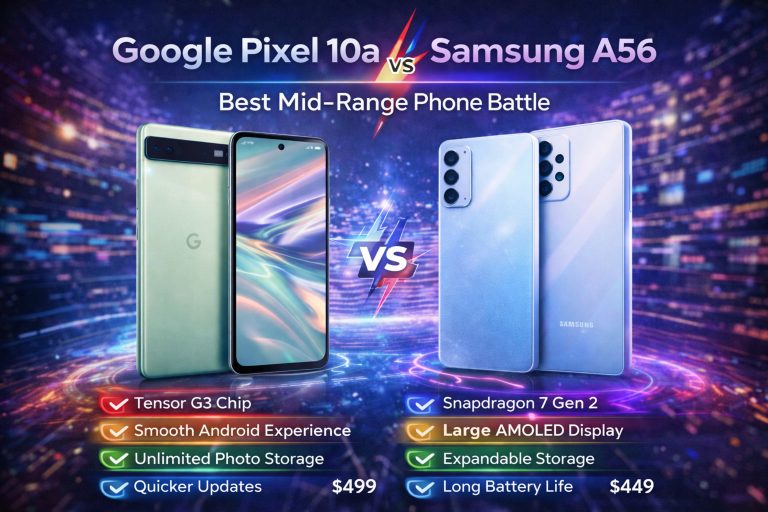
In the $400-$700 zone, Samsung’s A55 battles Xiaomi’s 14T. Both offer 120Hz screens and 50MP cams, but Xiaomi adds faster charging. Samsung’s mid-rangers get longer updates, a win for keepers.
Xiaomi grabs share here, selling millions more units yearly. The A-series feels sturdy; T-series packs more RAM. If you upgrade often, Xiaomi’s prices shine.
Tests show similar speeds, but Samsung’s software edges daily ease.
Resale Value and Depreciation Analysis
Samsung phones hold 60% value after a year, thanks to demand. Xiaomi drops to 45%, as buyers chase new models. That means lower total cost if you sell—Samsung saves $200 on trade-ins.
Market data from eBay in 2025 confirms this trend into 2026. Xiaomi’s quick releases hurt resale, but initial savings offset it. For flippers, Samsung pays off.
Think ownership: Samsung cuts long-term spend.
Durability, Build Quality, and After-Sales Support
Phones take beats—drops, dust, water. Both brands toughen up, but support varies.
IP Ratings and Materials Science
Flagships hit IP68 on both, surviving 1.5m water for 30 minutes. Samsung uses titanium frames on the S26 Ultra for lighter strength. Xiaomi sticks with aluminum, solid but dents easier.
Gorilla Glass Victus 3 covers screens, resisting scratches. Samsung’s curves feel luxe; Xiaomi’s flat designs suit cases. In drop tests, both survive 1.5m, but Samsung’s frame bends less.
Dust seals hold on either, key for beach trips.
Repairability and Official Service Network Reach
Samsung’s global centers number over 5,000, with quick fixes in most cities. Parts cost more but arrive fast. Xiaomi has 2,000 spots, strong in Asia but spotty elsewhere.
iFixit scores Samsung at 6/10 for repairs; Xiaomi at 7/10 with easier battery swaps. Wait times hit two weeks for Xiaomi in the US. Samsung’s warranty covers more, easing minds.
If travel calls, Samsung’s net reassures.
Conclusion: Determining Your Best Smartphone Investment for 2026
Samsung stands out for solid software support and easy ecosystem ties, keeping your phone useful for years. Xiaomi delivers fresh hardware at sharp prices, ideal for speed demons or budget fans. Both brands impress in 2026, but your pick hinges on needs.
Here’s a quick guide: Go Samsung if updates and resale top your list; choose Xiaomi for fast charges and mid-range steals. Whichever you grab, test in-store—feel the screen, snap a pic. Ready to upgrade? Check deals now and pick the one that fits your life. Your next phone waits.